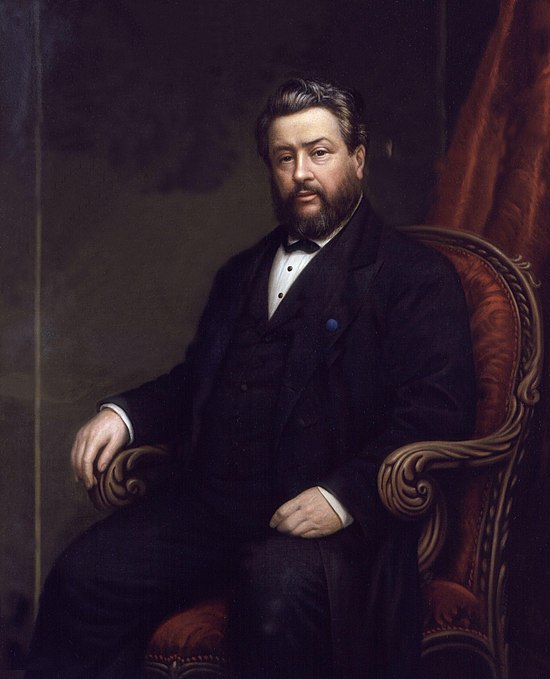
C. H. Spurgeon's sermon, "The Power of Christ Illustrated by The Resurrection," focuses on the profound theological truth of bodily resurrection and transformation through Christ. Spurgeon emphasizes that believers are intricately connected to Christ, whose resurrection guarantees a glorious transformation of their own bodies at His second coming. He supports his argument through Scripture, particularly Philippians 3:20-21, which speaks of Christ changing our "vile body" to be like His "glorious body," highlighting the transformative power inherent in Christ's resurrection. Spurgeon's practical application calls believers to depend entirely on Christ's power for both spiritual life and the future resurrection, stressing that without Him, they can do nothing. This transformative work not only gives hope for physical resurrection but also underscores the ongoing spiritual revival in the lives of believers.
Key Quotes
“He is in heaven, but as the Apostle saith, we look for the Saviour, the Lord Jesus Christ, who shall change our vile body, that it may be fashioned like unto his glorious body.”
“Apart from Him, we are naked and poor and miserable.”
“No difficulties, however stern that can be suggested from science or physical law, shall for a single instant stand in the way of the accomplishment of this transformation by Christ the King.”
“He is able even to subdue all things unto himself.”
The Bible teaches that our vile bodies will be transformed into glorious bodies like Christ's at His coming (Philippians 3:21).
The Apostle Paul, in Philippians 3:21, states that the Lord Jesus Christ will transform our vile body to be like His glorious body. This transformation signifies a remarkable change from our current state of humiliation, filled with sin, decay, and suffering, to a glorious state that reflects the perfection of Christ's own resurrected body. The body of our humiliation refers to the current frailty and sinfulness of our physical forms, but in resurrection, we shall be given bodies that are incorruptible, sinless, and suited for eternal life in glory. This hope is foundational for Christians, affirming that the resurrection through Christ brings ultimate victory over sin and death.
Philippians 3:20-21, 1 Corinthians 15:42-44
Christ's resurrection power is actively at work in believers today through the process of spiritual regeneration (Ephesians 1:19-20).
The sermon emphasizes that the same power of Christ that will resurrect the dead is currently at work in believers. As stated in Philippians 3:21, 'according to the working whereby he is able even to subdue all things unto himself,' this power is not latent but presently active among the church. Spiritual regeneration—believing in Christ and being made alive in Him—is an example of this resurrection power. Each instance of conversion demonstrates Christ's capability to quicken spiritually dead souls, showing that His resurrection power is continually evident in our lives. Hence, understanding that we are living manifestations of this transformative power spurs believers to pray boldly for the salvation of others.
Philippians 3:21, Ephesians 1:19-20
Understanding the transformation assures Christians of their future hope in Christ and the promise of eternal life.
For Christians, understanding the transformation of the body is crucial because it signifies the ultimate victory over death and sin through Christ. The text highlights that when the Lord returns, He will change our vile bodies into bodies fit for glory, underscoring the hope that believers will experience total redemption not only spiritually but also physically. This transformative truth reinforces the assurance of eternal life and encourages believers to live in light of their future glory. The reality of being conformed to Christ's image fosters a deep longing for holiness and drives believers to cherish their relationship with Him, knowing that physical renewal is part of God's restorative plan for His creation.
Philippians 3:21, 1 Corinthians 15:51-54
It means Christ has authority and power to conquer all opposition, including sin and death (Philippians 3:21).
The ability of Christ to subdue all things signifies His supreme authority over every aspect of creation, including the forces of sin, spiritual death, and the challenges faced by His people. As detailed in Philippians 3:21, 'He is able even to subdue all things unto himself,' implying that nothing exists outside His control or beyond His reach. This truth provides great encouragement for believers, affirming that there is no soul too hardened or situation too dire for Christ to bring under His saving power. The assurance of His ability empowers Christians to engage confidently in evangelistic efforts, trusting that by His grace, He can transform the hardest of hearts. Christians can rest in the promise that Christ's strength will be made perfect in their weaknesses as they rely on Him.
Philippians 3:21, Ephesians 1:22-23
Comments
Your comment has been submitted and is awaiting moderation. Once approved, it will appear on this page.
Be the first to comment!
