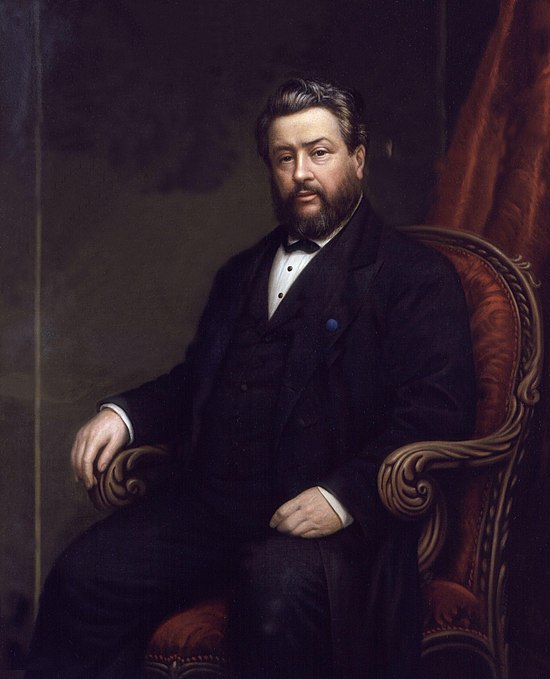
The sermon "The Years the Locust Has Eaten!" by C.H. Spurgeon focuses on God's promise of restoration as found in Joel 2:25, particularly the notion that although time lost to sin and spiritual neglect cannot be restored, God can redeem the fruits of those years. Spurgeon argues that lost years often signify loss of spiritual vitality and fruitfulness due to sin, idleness, or spiritual stagnation, yet God, in His grace, is capable of restoring what has been consumed. He points to Scripture such as Romans 8 to bolster the theme of divine grace in refreshing the believer's spirit and renewing their purpose. The practical significance of this message lies in the call for genuine repentance, as Spurgeon explains that true transformation and restoration follow a heartfelt return to God, resulting in a fulfilling life of worship and service despite past failures.
Key Quotes
“Lost years can never be restored literally. Time, once past, is gone forever.”
“The fruits of wasted years may yet be yours.”
“All things are possible to him that believeth.”
“If you turn to God with a full purpose of heart, he will fill you with heavenly bread, and give you as real enjoyment as ever he gave to the best of his people.”
The Bible promises that God can restore the years that the locust has eaten, meaning He can bring back the fruits of our wasted time.
In Joel 2:25, God declares, 'I will restore to you the years that the locust hath eaten.' This verse reassures believers that despite past sins or wasted time, God can redeem the lost spiritual fruit and blessings in their lives. While we cannot literally recover lost time, God can grant us renewed vitality and purpose, allowing us to reclaim the blessings we've forfeited through sin and neglect. Through repentance and faith, believers can experience a restorative work of grace that brings forth renewed joy and service to God.
Joel 2:25; Romans 8
God's promise is demonstrated throughout Scripture, including in Joel 2:25 and Romans 8, affirming His sovereignty and ability to redeem our past.
The assurance of restoration lies within the character of God, who is faithful and true to His word. In Joel 2:25, the promise to restore lost years is explicit, showing God's desire to bring back the blessings lost through the devastation of sin. Furthermore, Romans 8 emphasizes that God works all things for good for those who love Him and are called according to His purpose. This sovereign grace reveals that God is able to take our failures and transform them into future blessings. His redemptive power is a central tenet of our faith, reinforcing that no sin or wasted time is beyond His ability to redeem.
Joel 2:25; Romans 8
Repentance is vital as it opens the path for God's grace and restoration to flow into our lives.
Repentance is more than mere regret; it involves a heartfelt return to God and acknowledgment of sin, which is essential for those seeking restoration. Joel 2 emphasizes that true repentance requires rending our hearts and turning wholly to God. This act of contrition enables believers to receive the promise of restoration mentioned in Joel 2:25. Without genuine repentance, the blessings of God remain inaccessible, as it is through recognizing our failings and desiring change that we demonstrate faith in His mercy. God's grace, coupled with our willingness to turn from sin, paves the way for renewed strength and purpose in our lives.
Joel 2:12-13; Romans 8
God restores blessings by transforming our hearts and lives through His grace, allowing us to produce spiritual fruit despite our past.
The restoration of wasted years hinges on God's grace working in us. Through His power, He can bring forth fruitfulness where there was once barrenness. As stated in Joel 2, God promises to give His people larger harvests than they could have naturally produced, indicating that His divine intervention can compensate for the losses caused by sin and neglect. Moreover, our experiences of hardship and despair can deepen our understanding of grace, leading us to greater zeal and dedication in our subsequent walk with Him. Ultimately, God's restorative work is not merely about returning what was lost, but enhancing our capacity to serve and glorify Him moving forward.
Joel 2:25; Romans 8
Comments
Your comment has been submitted and is awaiting moderation. Once approved, it will appear on this page.
Be the first to comment!
