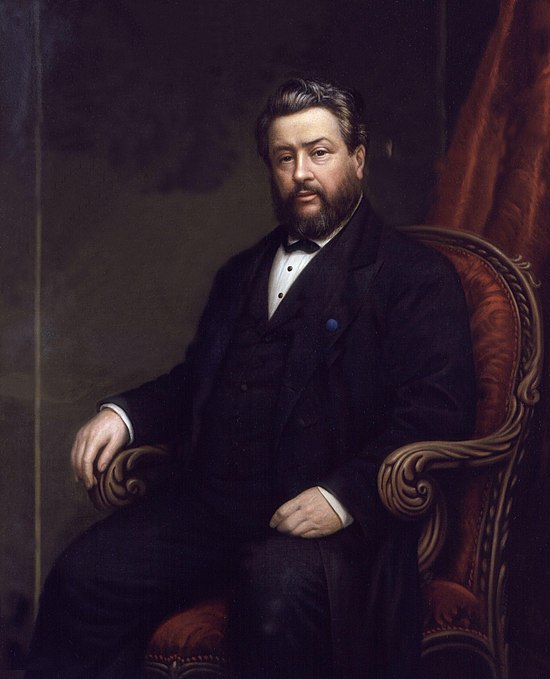
In his sermon "Two 'I Wills' In Isaiah 41," C. H. Spurgeon explores the theological significance of God's promises, particularly focusing on the repetitive phrase "I will" found in Isaiah 41:18. He argues that God's declarations of intent are marked by divine deliberation, omnipotence, immutability, and faithfulness, emphasizing that unlike human promises, God's will is assured and will come to fruition. Spurgeon supports his argument with references to Scripture, including Romans 8, illustrating that God's power and faithfulness reassure believers of His provisions and redemption, even in dire circumstances. The practical significance lies in the encouragement for believers to trust God's promises amidst their trials, knowing that He has the ability to transform their circumstances and provide spiritual nourishment.
“When God says, I will, His resolution is supported by omnipotence.”
“God never changes; He is the same yesterday, today, and forever.”
“No condition can be so bad, but God can change it; no sin can be so great, but God can forgive it.”
“When you get back to nothing, God has come to everything.”
The Bible emphasizes that when God says 'I will,' it reflects His sovereign authority and unchanging nature.
Isaiah 41:18, Romans 8
God's declarations are sovereignly and faithfully executed, ensuring their truthfulness.
Isaiah 41:18, Romans 8
Trusting in God's promises provides comfort and strength during life's trials.
Isaiah 41:18, Romans 8
God's 'I will' represents His unchanging resolve to provide and comfort His people.
Isaiah 41:18, Romans 8
Auto-generated transcript • May contain errors

Comments
Your comment has been submitted and is awaiting moderation. Once approved, it will appear on this page.
Be the first to comment!