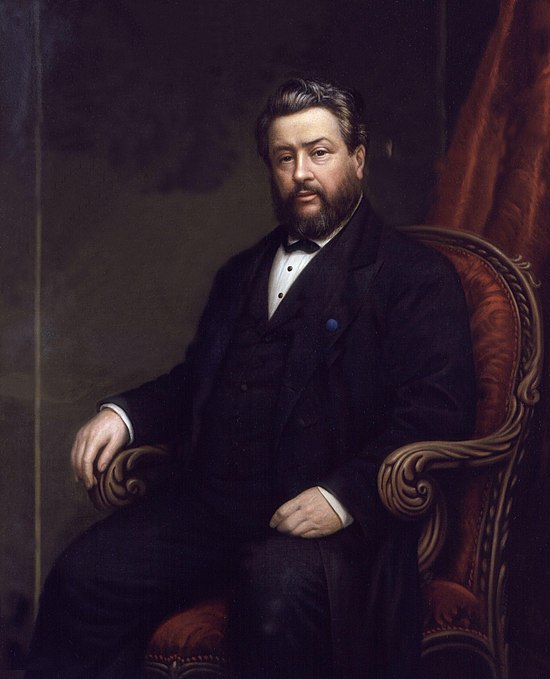
In this sermon, C. H. Spurgeon addresses the doctrine of divine election, emphasizing God's sovereignty in distributing grace to individuals uniquely and unequally. He argues that just as God orchestrates circumstances resulting in differing life experiences, He also chooses to show grace to some individuals over others, exemplified in the biblical case of Jacob and Esau (Romans 9:15). Spurgeon highlights that God's selection is not based on human merit or effort but stems solely from His sovereign will and grace (Ephesians 1:3-5). The doctrinal significance of this message underlines the Reformed concept of unconditional election, affirming that salvation is entirely an act of God's mercy and grace, dispelling any notion of human entitlement or earned favor before God.
Key Quotes
“Election is a positive fact. It is as clear as daylight, that God does in matters of religion give to one man more than to another.”
“What is the use of kicking against facts? It is only kicking against the pricks with naked feet, and you hurt yourself and not them.”
“There stands the fact, before you begin to argue upon the doctrine, just recollect, that whatever you may think about it, you cannot alter it.”
“The sovereign grace of God. There is no reason why I should be saved, or why you should be saved, but God's own merciful heart and God's own omnipotent will.”
The Bible states that election is an act of God's sovereign grace, choosing certain individuals for salvation.
Election is clearly depicted in Scripture as God's sovereign choice in relation to salvation. For example, Romans 9:15 states, 'I will have mercy on whom I will have mercy.' This highlights that God's grace is not given based on any foreseen merit or action on our part, but solely according to His own will and purpose. It is important to understand that the doctrine of election affirms God's sovereignty in the matter of salvation, revealing His divine prerogative to choose whom He pleases, much like He did with Jacob and Esau.
Moreover, Ephesians 1:3-5 elaborates, stating that God has chosen us in Christ before the foundation of the world, according to His sovereign grace. This underscores that our election is not arbitrary but rooted in God's eternal purpose and love. Thus, election is a comforting doctrine that reassures believers of their secured place within God's redemptive plan and serves to highlight the amazing grace that we have received despite our unworthiness.
God's grace is sovereign as described in Ephesians 1:4-5, where He chooses individuals according to His will.
The sovereignty of God's grace is fundamentally linked with His nature as the ultimate authority over all creation. In Ephesians 1:4-5, we see that God chose us in Him before the foundation of the world, demonstrating that our salvation is an act of God's will rather than human effort. This choice, made before time, signifies that God's grace is not contingent on our works or decisions but flows from His sovereign purpose.
The essence of grace is that it is unearned and unmerited. Romans 9:15 complements this understanding by reminding us that God will have mercy on whom He will have mercy. This reinforces the notion that God's grace is dispensed according to His own sovereign plan without any obligation to mankind. Thus, the sovereignty of grace manifests God's love and mercy to the undeserving, illustrating the depth and wonder of His salvation offered through Christ.
God's sovereign grace is essential because it assures Christians of their salvation and God's mercy.
The doctrine of sovereign grace is critical for Christians as it assures us that our salvation is secure, grounded in God's immutable will rather than our unstable hearts. Knowing that our election and salvation are based on divine grace rather than human merit instills deep confidence and gratitude in believers. It prompts us to rely fully on God's grace, acknowledging that we contribute nothing to our salvation, yet receive it freely by faith in Christ.
Moreover, God's sovereign grace highlights His merciful nature. As Spurgeon points out, there is no reason within us that could compel God to save us; it is solely His merciful heart and omnipotent will that account for our salvation. This understanding fosters a spirit of humility among believers, preventing arrogance and promoting a profound appreciation for the grace bestowed upon us, urging us to extend that grace to others.
Comments
Your comment has been submitted and is awaiting moderation. Once approved, it will appear on this page.
Be the first to comment!
