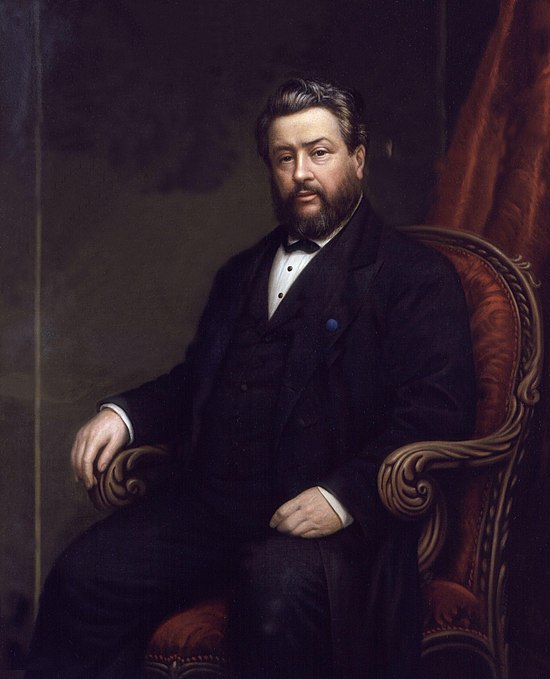
Forsaking Our First Love!
Revelation 2:4; Romans 12
In the sermon titled "Forsaking Our First Love," C. H. Spurgeon focuses on the critical theological concept of love in the life of a believer, particularly as addressed in Revelation 2:4. Spurgeon argues that the church, once fervent in its love for Christ, has gradually lost this passionate devotion, resulting in spiritual decline. He references Revelation 2:4 as a warning from Christ to the Ephesian church, who, despite their commendable deeds, forsook their first love, which is foundational for true Christian life and works. Spurgeon underscores the significance of maintaining a vibrant relationship with Christ that transforms both devotion and action, emphasizing that neglecting this love leads to spiritual idleness and complacency. The practical implication is a call for self-examination and a return to that fervent love, as it directly impacts both personal holiness and the church's witness to the world.
“If you have forsaken your first love, there is some trouble near at hand.”
“When you and I cease to work hard for Christ, then let us cease to live.”
“Love to Christ is dependent on our nearness to him. It is just like the planets and the sun.”
“If we live near to Christ, then we cannot help loving Him.”
The Bible, in Revelation 2:4, warns that forsaking our first love leads to a loss of fervor and devotion to Christ.
Revelation 2:4
Genuine faith is evident through a continual love for Christ and obedience to His commands.
1 John 2:3-5, Revelation 2:4
Maintaining our first love for Christ is crucial as it fuels our overall spiritual vitality and effective witness.
Hebrews 12:6
Auto-generated transcript • May contain errors

Comments
Your comment has been submitted and is awaiting moderation. Once approved, it will appear on this page.
Be the first to comment!