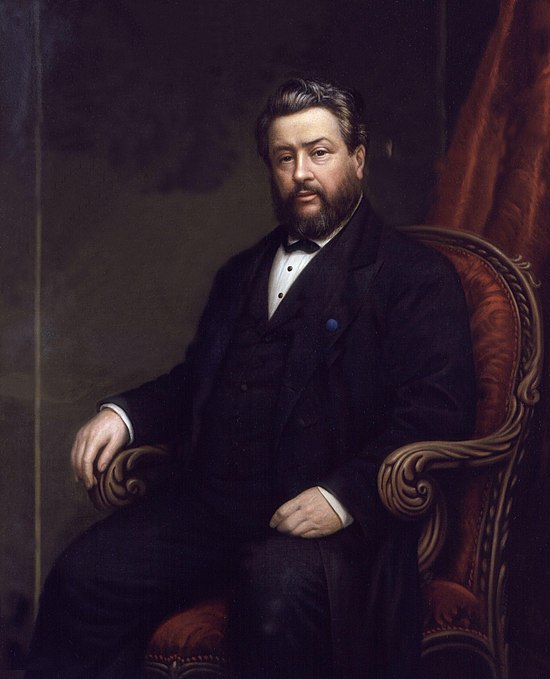
The sermon "The Power of the Holy Spirit" by C. H. Spurgeon examines the omnipotent nature and active ministry of the Holy Spirit in both the created order and the lives of believers. Spurgeon emphasizes the idea that all power, whether manifest in creation, resurrection, or grace, ultimately belongs to God, and he explores this through three main aspects: the outward displays of the Holy Spirit’s power in creation and resurrection, the inward and transformative work within believers, and the anticipated future works of the Spirit. Scriptural references such as Romans 15:13, Job 26:13, and 1 Peter 3:18 highlight the Divine authority and continuous activity of the Holy Spirit, reinforcing that the Spirit is essential for both spiritual regeneration and the eventual resurrection of the saints. The practical significance of Spurgeon's message lies in its encouragement for believers to depend on the Holy Spirit's transformative power for their personal sanctification and evangelistic efforts, and to trust in His ability to effect change in the hearts of the unregenerate.
Key Quotes
“Power belongs to God. God is God and power belongs to him.”
“The Holy Spirit has power over the hearts of men and women.”
“Only let that come and indeed everything can be accomplished.”
“There is enough power in the Holy Spirit. You are not weak in him, but in your own hearts.”
The Bible depicts the Holy Spirit as the source of God's power in creation, resurrection, and spiritual transformation.
The power of the Holy Spirit is central to the Christian faith as articulated in Scripture. Romans 15:13 highlights that God fills believers with joy and peace through the power of the Holy Spirit. The Spirit's omnipotence is evident not just in creation, where it is said that the Spirit adorned the heavens (Job 26:13) and continues to create life (Psalm 104:30), but also in the resurrection of Jesus Christ, where the Spirit was instrumental in raising Him from the dead (1 Peter 3:18, Romans 8:11). The Holy Spirit is a vital agent in sanctification, guiding and empowering believers to live righteously.
Romans 15:13, Job 26:13, Psalm 104:30, 1 Peter 3:18, Romans 8:11
The doctrine is supported by biblical evidence illustrating the Holy Spirit's works in creation, the resurrection of Christ, and the transformation of lives.
The veracity of the doctrine regarding the Holy Spirit's power is affirmed through various scriptural instances and the transformative impact observed in the lives of believers. Firstly, the Holy Spirit's involvement in creation is backed by Scriptures such as Genesis 1:2, where the Spirit was present in the act of creation. Furthermore, the resurrection of Jesus, an event critical to Christian faith, is attributed to the action of the Holy Spirit, as seen in Romans 8:11. Lastly, the visible transformation of lives demonstrates the Holy Spirit's ongoing work today. Personal testimonies and the historical transformation of entire communities further establish the reality of the Holy Spirit's power as an operational force in the world.
Genesis 1:2, Romans 8:11
The Holy Spirit empowers Christians for holiness, guidance, and witness, making His work essential for spiritual growth.
The work of the Holy Spirit is fundamentally important in the life of a Christian for several reasons. Firstly, the Spirit's role in sanctification is crucial; He empowers believers to strive for holiness and spiritual maturity (Romans 8:11). Furthermore, the Holy Spirit provides spiritual gifts for service and equips believers to spread the Gospel, fulfilling the Great Commission. By responding to the Holy Spirit's leading, Christians find strength in trials and comfort in their spiritual journey, knowing they are not alone. Additionally, the Spirit’s power to transform hearts from rebellion to obedience underscores the necessity for dependence on Him in all aspects of life. This vital relationship facilitates an intimate connection with God, enabling individuals to manifest the fruit of the Spirit in their lives.
Romans 8:11
It means the Holy Spirit can transform hearts, leading individuals to repentance and faith in Christ.
The assertion that the Holy Spirit has power over the hearts of men highlights His unique ability to change and influence human will and desire. While human effort can lead to outward conformity, only the Holy Spirit can penetrate the heart to bring true transformation. As mentioned in the sermon, the Scriptures affirm that it is only through the Holy Spirit that the hardened heart can be softened (Ezekiel 36:26). This divine power is necessary to effectuate genuine repentance and faith, which are crucial for salvation. The Holy Spirit works to overcome resistance and make individuals receptive to the Gospel, demonstrating that the true change of heart is a work of God rather than of human endeavor.
Ezekiel 36:26
Comments
Your comment has been submitted and is awaiting moderation. Once approved, it will appear on this page.
Be the first to comment!
