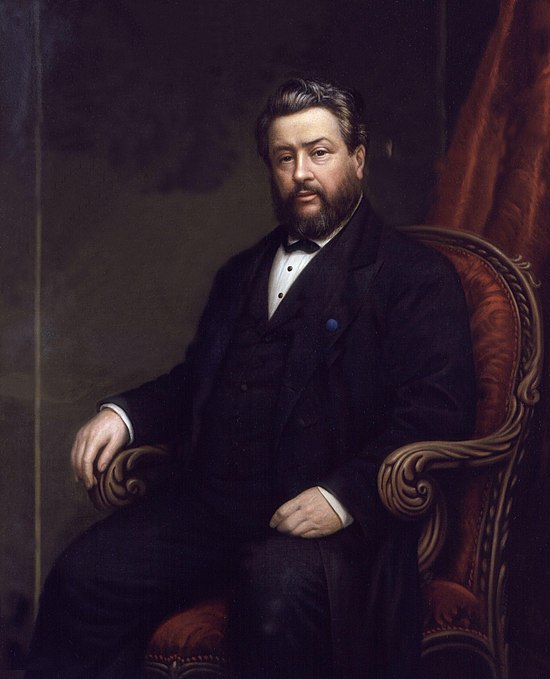
God Incarnate, the End of Fear!
Luke 2:10; Philippians 2
In C. H. Spurgeon's sermon "God Incarnate, the End of Fear," the main theological topic addressed is the incarnation of Christ as the resolution to humanity's fear of God. Spurgeon argues that the innate fear of God, stemming from sin, has historically kept humanity in bondage, creating a belief that God is a distant, punitive figure. He emphasizes the angel's proclamation in Luke 2:10, "Do not be afraid," as a definitive turning point, underscoring the significance of Christ's birth in Philippians 2 as an embodiment of God's love and reconciliation. Spurgeon notes that the incarnation not only brings good news but also fulfills the role of Jesus as a Savior who bridges the gap between God and humanity, inviting believers into a relationship of love rather than fear. The doctrinal significance lies in understanding that through Christ, believers are no longer to experience a cringing fear of God but can approach Him as their loving Father.
“Beloved, in order to remove this dreaded nightmare of slavish fear from the hearts of humanity, where its horrible influence represses all the noblest aspirations of the soul, our Lord Jesus Christ came in the flesh.”
“Perfect love does not cast aside fear, but rather dwells with it in joyful harmony.”
“The angel said, do not be afraid. These words were not meant for those trembling shepherds only, but were intended for you and for me.”
“The very purpose for which he was born and came into the world was that he might deliver us from sin.”
The Bible teaches that there are two types of fear towards God: a holy fear that is respectful and an unhealthy, cringing fear created by sin.
Proverbs 1:7, Genesis 3:10
We know Jesus is the Savior because the angel proclaimed His birth as good news, emphasizing His role as the Savior sent to deliver humanity from sin.
Luke 2:11, John 14:6
The incarnation of Christ is vital for Christians because it demonstrates God's love and establishes a personal relationship between God and humanity.
Philippians 2:7-8, John 10:30
Auto-generated transcript • May contain errors

Comments
Your comment has been submitted and is awaiting moderation. Once approved, it will appear on this page.
Be the first to comment!