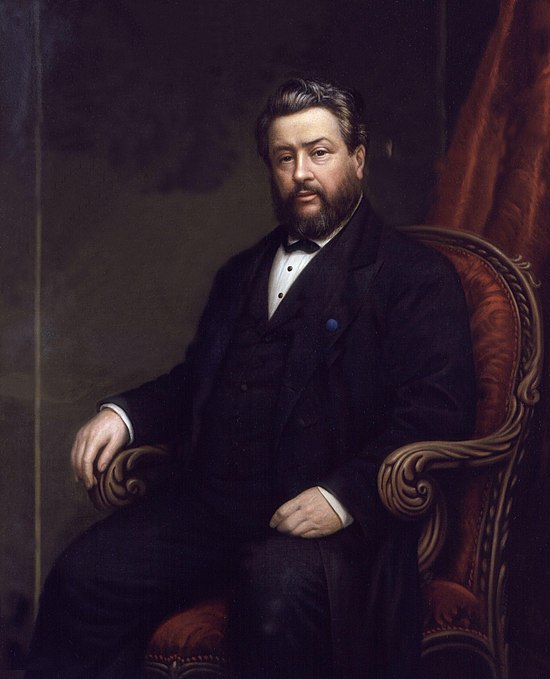
Our Position and Our Purpose!
2 Corinthians 7:1; Romans 12
In his sermon titled "Our Position and Our Purpose," C.H. Spurgeon addresses the theological concept of holiness as it relates to the Christian experience, emphasizing the believer's possession of divine promises and the resulting obligation to pursue personal holiness. Spurgeon argues that Christians are heirs to glorious privileges, such as divine indwelling, communion with God, covenant relationship, and divine adoption, all of which should propel them toward sanctification. He references 2 Corinthians 7:1, urging believers to purify themselves from all contamination of body and spirit, thereby highlighting that true grace leads to a life of holiness rather than moral laxity. The practical significance of this exhortation is the call to live in a manner worthy of the high calling as children of God, marked by continual striving for holiness in all aspects of life.
“Since we have these promises, dear friends, let us purify ourselves from everything that contaminates body and spirit.”
“Divine indwelling and divine communion both require from us personal holiness.”
“Let us purify ourselves from everything that contaminates. Your eye must not spare; your heart must not pity one pet sin.”
“Be holy! Be holy! Be holy! You that are servants, be holy in the family.”
The Bible encourages Christians to purify themselves from everything that contaminates body and spirit, as found in 2 Corinthians 7:1.
2 Corinthians 7:1
According to Paul, God's promises are actual possessions for Christians, as stated in 2 Corinthians 7:1.
2 Corinthians 7:1
Holiness is vital for Christians as it reflects their divine heritage and relationship with God.
2 Corinthians 7:1, Romans 12
Christians cannot achieve perfection in this life due to the inherent sinfulness of the flesh.
Romans 12, 2 Corinthians 7:1
Auto-generated transcript • May contain errors

Comments
Your comment has been submitted and is awaiting moderation. Once approved, it will appear on this page.
Be the first to comment!