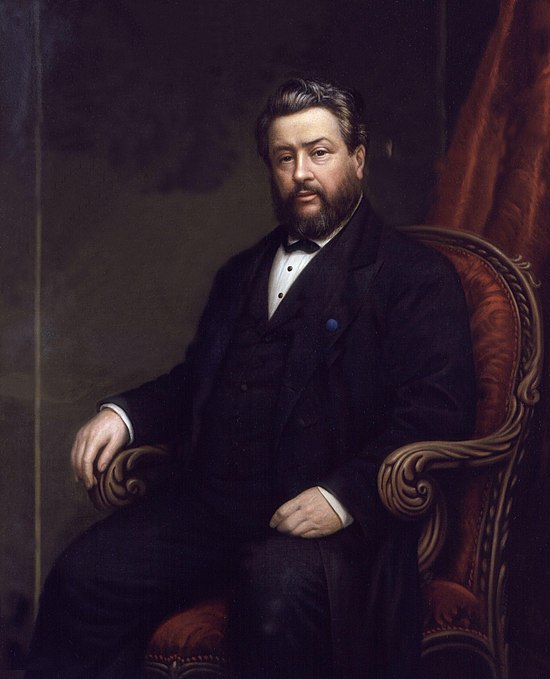
This sermon by C. H. Spurgeon, based on Job 35:10 and Psalm 23, addresses the theological theme of finding hope and praise to God even in the darkest times, described as "songs in the night." Spurgeon argues that true songs of joy arise not from external circumstances but as gifts from God during periods of distress, indicating that a believer's relationship with God becomes most profound when faced with trials. Drawing from Scripture, he highlights examples such as Habakkuk's proclamation of joy amidst suffering, emphasizing that these songs often reference past mercies, present realities, or future hopes. The practical significance of Spurgeon's message lies in encouraging believers to rely on God as the source of their joy and to sing praises that resonate with authentic faith, especially when circumstances seem bleak, thereby testifying to their deep trust in God's providence.
Key Quotes
“No one can create a song in the night by themselves. They may try, but they will learn how difficult it is.”
“It is in the night that we sing of God and of God alone.”
“If you can't remember that He has done anything for you, yet remember that He has been kind to others.”
“There is a night coming in which there will be no songs of joy.”
The Bible teaches that God gives His people songs in the night, offering comfort and assurance during difficult times.
The concept of 'songs in the night' is intimately tied to the Christian experience of suffering and God's sustaining presence. As highlighted in Job 35:10, the heart of the believer can shift focus from their troubles to the acknowledgment of God as their Maker. This shift allows for the song of the heart to emerge even in times of darkness. In Psalm 23, we see the assurance of God as our shepherd, a figure that comforts even in the valleys of deep darkness. These scriptures reveal that while the night might come filled with trials, it is also in these times that God grants His people song, reflecting an intimate bond between suffering and divine consolation.
Job 35:10, Psalm 23
We know God gives songs in the night through personal experience and scriptural affirmation that emphasizes His faithfulness during trials.
The truth that God gives songs in the night is substantiated both by scripture and the testimonies of countless believers throughout history. Scripture asserts that during our darkest hours, God serves not only as the source of songs but also as the subject of our praise. As stated in the sermon, during times of trial, when our circumstances seem bleak, we often find ourselves singing songs that elevate our focus toward God, who remains steadfast and faithful. Furthermore, the collective testimonies of Christians who have endured suffering and found peace and joy in God during their trials validate this reality. Their experiences align with passages such as Psalm 42, where the psalmist recalls past worship and longs to return to that state of heart, affirming God's constancy through both day and night.
Psalm 42
Singing in the night is important for Christians because it encourages their spirits and testifies to God's faithfulness amidst trials.
Singing during times of adversity has profound importance for Christians. It serves both as a means of personal encouragement and as a testimony to others of God’s unchanging nature. As Spurgeon notes, singing in the night not only uplifts our own spirits but can also reinforce the faith of fellow believers who may be facing similar struggles. Furthermore, it demonstrates genuine faith; when we can sing praises despite hardships, we express a trust in God that transcends our immediate circumstances. This act of worship in darkness reveals a heart relying on God's promises and thus acts as a powerful witness to the world around us about the sustaining grace of God during trials. Therefore, it is both a source of encouragement and a declaration of faith.
Psalm 42, 2 Corinthians 1:4
Comments
Your comment has been submitted and is awaiting moderation. Once approved, it will appear on this page.
Be the first to comment!
