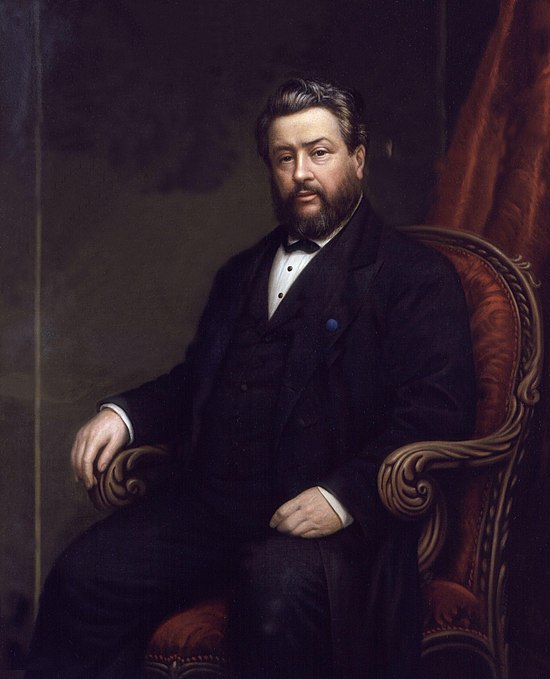
C. H. Spurgeon's sermon explores the profound emotional and theological implications of Christ's passion, particularly His journey to Calvary, as depicted in the Scriptures. The key argument emphasizes how the suffering of Christ on the cross is intimately connected to the believer’s experience of sin, redemption, and the necessity of a life marked by separation from worldly values, invoking passages such as Luke 23:27 and Hebrews 13:13. Spurgeon asserts that the grief felt by those who mourned Christ is overshadowed by the believer's recognition of their own sin as the reason for His suffering. Additionally, he highlights the importance of communion with God amidst life’s trials, using the metaphor of climbing to the mountain of the Lord to cultivate spiritual growth and resolve. The doctrinal significance lies in understanding the implications of Christ's atonement, which not only cleanses from sin but also sanctifies the believer for a life of faithful witness in a world opposed to the gospel.
Key Quotes
“When my soul can, in imagination, see the Savior bearing his cross to Calvary, she joins the godly women and weeps with them.”
“The highway of separation may be a path of sorrow, but it is the highway of safety.”
“The blood of Christ is precious because it redeems, cleanses, and preserves.”
“You must be conquerors through him who hath loved you, if conquerors at all.”
The Bible emphasizes the significance of mourning for our sins, reflecting deep acknowledgment of our guilt and the need for God's grace.
Mourning for our sins is crucial in the Christian faith as it represents a true acknowledgment of our guilt before God. As Spurgeon reflects, our sins were the scourges that led to Christ's crucifixion, and recognizing this provides an infinite cause for grief. The anguish of realizing that our transgressions directly contributed to the suffering of Christ should lead us to heartfelt sorrow. Such mourning is not merely emotional but deeply spiritual, fostering true repentance and a desire for reconciliation with God.
Furthermore, the Bible instructs that this mourning is blessed, as stated in Matthew 5:4, 'Blessed are those who mourn, for they shall be comforted.' This comfort comes from the assurance of forgiveness through Jesus Christ, enabling us to turn our sorrow into a profound appreciation of God's grace and love. Therefore, acknowledging our sins and mourning over them is an essential path towards spiritual growth and deeper communion with God.
The doctrine of imputation is affirmed in Scripture, particularly in 2 Corinthians 5:21, which states that Christ was made sin for us so that we could become the righteousness of God.
The doctrine of imputation, which holds that Jesus Christ's righteousness is credited to believers, is firmly rooted in Scripture. As articulated in 2 Corinthians 5:21, 'For he hath made him to be sin for us, who knew no sin; that we might be made the righteousness of God in him.' This passage underscores the beautiful exchange that occurs in salvation: our sins are imputed to Christ, while His perfect righteousness is imputed to us. This is an act of divine grace, where God not only forgives our sins but also counts us as righteous in His sight through faith in Christ.
Additionally, this doctrine is vital to understanding our standing before God. It assures believers that their acceptance is not based on their own merits but solely on the righteousness of Christ. This doctrine also encourages a humble reliance upon Christ's sacrificial work, fostering a deeper appreciation for the grace that sustains us throughout our Christian journey.
Separation from the world is critical for Christians as it fosters holiness and allows for deeper communion with God, as demonstrated in Hebrews 13:13.
The concept of separation from the world holds immense importance for Christians as it is essential for their sanctification and spiritual growth. Hebrews 13:13 instructs believers to 'go forth therefore unto him without the camp,' indicating that to follow Christ, one must willingly separate from worldly influences that conflict with the gospel. This separation is not merely about physical distance but involves a spiritual commitment to prioritize Christ and His truth over worldly desires.
By choosing to separate from worldly distractions, Christians cultivate an environment conducive to growth in grace and deepen their commitment to Christ. Spurgeon emphasizes that although this path may lead to sorrow and struggle, it ultimately leads to a life filled with joy and divine communion. Benefiting from this separation, believers can fully experience the abundant life Christ promises, reinforcing their testimony and witness in a world that lies in darkness.
Christ as our scapegoat means that He bore our sins and guilt, taking them away from us, as illustrated in Isaiah 53 and applied in 1 Peter 2:24.
The concept of Christ being our scapegoat is profoundly significant in illustrating the atoning work of Christ for His people. In the Old Testament, the scapegoat was the animal upon which the high priest laid the sins of the people, symbolically carrying them away into the wilderness (Leviticus 16). This prefigured Christ’s ultimate sacrifice, as seen in Isaiah 53:6, which says, 'The Lord hath laid on him the iniquity of us all.' In the New Testament, this doctrine finds clear expression in 1 Peter 2:24, where it states that He bore our sins in His body on the tree.
Understanding Christ as our scapegoat reveals the depth of God's love and justice. Our sins are not merely overlooked; they are placed upon Christ, who willingly bore them, paying the penalty we deserved. This mighty act of grace assures us that through faith in Christ, our sins are completely removed, and we can live in the freedom and forgiveness He offers. Such divine imputation speaks to the heart of the gospel and the believer’s assurance of redemption.
Christians should seek communion with God for spiritual refreshment and to strengthen their faith, as it rejuvenates the soul and produces joy.
Seeking communion with God is vital for Christians as it nurtures their spiritual vitality and deepens their faith. Spurgeon highlights that as we ascend above the mundane cares of this world, we foster a connection with God that refreshes our souls. Just as individuals in a barren valley long for the clean air of the mountains, believers should long for spiritual encounters that elevate their spirits and restore their joy.
Moreover, regular communion with God provides wisdom, guidance, and peace, transforming trials into opportunities for growth. The disciplines of prayer, study of the Word, and worship are significant means by which Christians experience God's presence. This communion fortifies their resolve to follow Christ amidst worldly distractions, enabling them to live lives that reflect His love and truth. Ultimately, it aligns them with God’s purposes and prepares them for the eternal communion that awaits in glory.

Comments
Your comment has been submitted and is awaiting moderation. Once approved, it will appear on this page.
Be the first to comment!