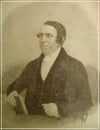
In the sermon "Is this pleasing to God?", James Smith addresses the doctrine of living a life that is acceptable to God, emphasizing that every aspect of a Christian’s life should be aimed at pleasing Him. Smith argues that many believers neglect to consider whether their thoughts, words, and actions glorify God, thus losing sight of their primary purpose in life. He cites 1 Thessalonians 4:1 to stress the need for continual growth in living in a manner that pleases God and references Colossians 1:10 to underscore the aim for a life worthy of the Lord. The practical significance of this teaching lies in its call for Christians to consciously evaluate their choices—ranging from time management to financial expenditures—against the standard of pleasing God, ultimately fostering a lifestyle of holiness and devotion that aligns with Reformed theology.
“In every place, in every circumstance, in every undertaking, the Christian should ask, Is this pleasing to God?”
“If we forget or lose sight of this, we forget and lose sight of the principal end of our being and well-being.”
“What a comfort it is to know that my God is easily pleased... it is not the amount of what I do, but the motive from which I do it, which he looks at.”
“So whether you eat, or drink, or whatever you do, do it all for the glory of God.”
The Bible emphasizes the importance of pleasing God in all our actions, thoughts, and emotions.
1 Thessalonians 4:1, Colossians 1:10, 1 Corinthians 10:31
Living to please God is vital as it aligns with the purpose for which believers were created and redeemed.
1 Thessalonians 4:1, Colossians 1:10
Christians should evaluate their time and resources to ensure they are living in a way that pleases God.
1 Thessalonians 4:1, Colossians 1:10, 1 Corinthians 10:31
Auto-generated transcript • May contain errors

Comments
Your comment has been submitted and is awaiting moderation. Once approved, it will appear on this page.
Be the first to comment!