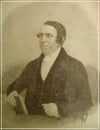
In his sermon, "The world's politics, pleasures, and pursuits," James Smith addresses the distinction between the church and the world, emphasizing that believers are fundamentally different from those who are unsaved. He argues that Christians, having been born from above, are called to reject worldly values and pursuits, as supported by Scripture references such as James 4:4 and Romans 12:1-2. These verses highlight the incompatibility of friendship with the world and the call to present oneself as a living sacrifice, transformed and renewed. The doctrinal significance is profound, as it reiterates the Reformed tenet of the believer's identity in Christ, underscoring that true joy and fulfillment are found not in worldly pleasures but in a relationship with God. Christians are reminded to live as pilgrims, focusing on spiritual realities rather than temporal concerns.
“The church ought not to mix with the world, but to bear a practical testimony against it, that its works and ways are evil.”
“Whatever we have, we have with God's blessing. Whatever the world has, it has with God's curse.”
“Let us always keep up our distinction from the world, not in a spirit of pride or self-righteousness, but in a meek, lowly, and loving spirit.”
“Heavenly Father, as You have chosen us out of the world, give us grace to live above the world, and enable us to glorify You in the world.”
The Bible teaches that true believers are not of the world and are called to maintain a distinction from it.
John 17:14-16, James 4:4
Believers are assured of their chosen status through God’s sovereign grace and the transformative work of the Holy Spirit.
Romans 8:30, Ephesians 1:4-5
It is crucial for Christians not to conform to the world to maintain their distinct identity and witness for Christ.
Romans 12:1-2
Auto-generated transcript • May contain errors

Comments
Your comment has been submitted and is awaiting moderation. Once approved, it will appear on this page.
Be the first to comment!