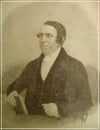
What WAS I by NATURE?
This is a dark and dreary subject, for I was in a sad state, and had acquired a sad character.
My heart was fearfully depraved, my nature was totally fallen.
All within was spiritually dead, and all without was unholy.
The creature was loved and served, and the Creator was neglected and despised.
Sin was my element.
Satan was my master.
The world was my Heaven.
I had no good desires, no holy aspirations, no redeeming qualities.
I was a rebel against God's government, and a traitor against God's crown!
I would have destroyed God if I could, and blotted His name out of creation!
The language of my heart and life was, "No God for me!"
My heart was filled and fired with enmity against Him, and at times I could have cursed Him to His face!
I hated His law.
I despised His gospel.
I abhorred His people.
If I could, I would have crushed His cause!
How astonishing that such a wretch was allowed to live!
How astonishing that God had not crushed me by His power, and sentenced me to Hell!
But, O the patience and the sovereign grace of God!
He bore with me.
He loaded me with His benefits.
He determined to win me with His love.
Nevertheless I sinned yet the more, and provoked Him with my ungodly conduct.
O how surprising that I am not in Hell!
Surely there are many already in Hell, who were never such great sinners as I have been!
But, the Lord is good, ready to forgive, and plenteous in mercy unto all who call upon Him. He put a cry into my heart, He listened to that cry, and made me a new creature in Christ Jesus. He unveiled my enormous wickedness before the eyes of my mind, which filled me with confusion, despondency and shame. He laid me in
The sermon by James Smith addresses the doctrine of total depravity and the sovereign grace of God in salvation. Smith articulates the depths of his fallen nature, emphasizing that without divine intervention, he would have remained in a state of spiritual death, rebellion against God, and destined for hell. He supports his assertions by referencing 1 Corinthians 15:10, which highlights the transformative power of grace, and Ephesians 2:13, which illustrates the proximity of believers to God through Christ. The significance of this sermon lies in its profound acknowledgment of human depravity contrasted with God's overwhelming grace, underscoring the Reformed idea that salvation is entirely a work of God's sovereign will, prompting both humility and gratitude in the believer.
Key Quotes
“My heart was fearfully depraved... I had no good desires, no holy aspirations, no redeeming qualities.”
“Oh the patience and the sovereign grace of God! He bore with me... Surely there are many already in hell who were never such great sinners as I have been.”
“By the grace of God I am what I am. All that has been wrought within me... must be traced to the free and invincible grace of God.”
“Oh, what a debtor to grace I am! If anyone should magnify sovereign grace, surely I should.”
The Bible teaches that all humans are totally depraved and incapable of seeking God on their own (Ephesians 2:1-3).
According to scripture, human depravity is a result of the fall, leaving individuals in a state of total spiritual deadness and enmity towards God. Ephesians 2:1-3 illustrates this by stating that we were dead in our trespasses and sins, following the ways of the world and our sinful nature. The reality is that without divine intervention, humanity is entirely incapable of seeking God or turning to Him for salvation.
God's grace is sufficient for salvation, as evidenced by His willingness to forgive and transform the worst of sinners (1 Corinthians 15:10).
The sufficiency of God's grace for salvation is prominently affirmed in scripture. The Apostle Paul testifies in 1 Corinthians 15:10 that it is by the grace of God he is what he is, underscoring that our transformation and redemption are solely attributed to God's sovereign grace. This grace does not merely cover sin but actively regenerates and changes the heart of the sinner, enabling them to respond to God in faith and repentance. Therefore, no one is beyond the reach of God's grace; it is infinitely sufficient for all who call upon Him.
Understanding God's sovereignty reassures Christians of His control over all things and His ability to save even the most wretched (Ephesians 2:13).
Recognizing God's sovereignty is crucial for Christians as it frames our understanding of salvation and God’s overarching purpose in creation. Ephesians 2:13 reminds us that we were once far off but have been brought near by the blood of Christ. This assurance reflects that it is God’s sovereign choice to save undeserving sinners, demonstrating His power and mercy. Believing in God's sovereignty imparts comfort during trials and challenges, reminding us that He reigns over all circumstances for our ultimate good and His glory.
Ephesians 2:13
Sermon Transcript
Auto-generated transcript • May contain errors

100%
Most probably, I would have been in hell by James Smith. What was I by nature? This is a dark and dreary subject, for I was in a sad state and had acquired a sad character. My heart was fearfully depraved. My nature was totally fallen. All within was spiritually dead, and all without was unholy. The creature was loved and served, and the creator was neglected and despised. Sin was my element. Satan was my master. The world was my heaven. I had no good desires, no holy aspirations, no redeeming qualities. I was a rebel against God's government, and a traitor against God's crown. I would have destroyed God if I could, and blotted his name out of creation. The language of my heart and life was, no god for me. My heart was filled and fired with enmity against him, and at times, I could have cursed him to his face. I hated his law, I despised his gospel, I abhorred his people. If I could, I would have crushed his cause. How astonishing that such a wretch was allowed to live. How astonishing that God had not crushed me by his power, and sentenced me to hell.
But, oh the patience and the sovereign grace of God! He bore with me. He loaded me with His benefits. He determined to win me with His love. Nevertheless, I sinned yet the more and provoked Him with my ungodly conduct. Oh, how surprising that I am not in hell! Surely there are many already in hell who were never such great sinners as I have been. But the Lord is good, ready to forgive, and plenteous in mercy unto all who call upon him. He put a cry into my heart. He listened to that cry and made me a new creature in Christ Jesus. He unveiled my enormous wickedness before the eyes of my mind, which filled me with confusion, despondency, and shame. He laid me in the dust and seemed to doom me to despair. He crushed my proud spirit, destroyed my infernal enmity against him, and melted me into contrition with his love.
What am I by grace? For all that I now am, I once was not. Everything which in any sense was good in me must be ascribed to the free grace of God. Yes, with the holy apostle I must say, by the grace of God I am what I am. All that has been wrought within me, all that has been conferred upon me, and all the good that has been done by me, must be traced to the free and invincible grace of God. Who can tell what I would have been by this time, but for the grace of God? Who can say where I would have been this morning, but for the grace of God? Most probably I would have been in hell, where the worm never dies, and the fire is never quenched. Oh, what a debtor to grace I am! If anyone should magnify sovereign grace, surely I should. For to God's sovereign grace I owe everything. I am not now what I once was. Why? Because God had a purpose of grace toward me. I am not now what I soon shall be. Why? Because grace is always crowned with glory. You
Pristine Grace functions as a digital library of preaching and teaching from many different men and ministries. I maintain a broad collection for research, study, and listening, and the presence of any preacher or message here should not be taken as a blanket endorsement of every doctrinal position expressed.
I publish my own convictions openly and without hesitation throughout this site and in my own preaching and writing. This archive is not a denominational clearinghouse. My aim in maintaining it is to preserve historic and contemporary preaching, encourage careful study, and above all direct readers and listeners to the person and work of Christ.
Comments
Your comment has been submitted and is awaiting moderation. Once approved, it will appear on this page.
Be the first to comment!