Bootstrap
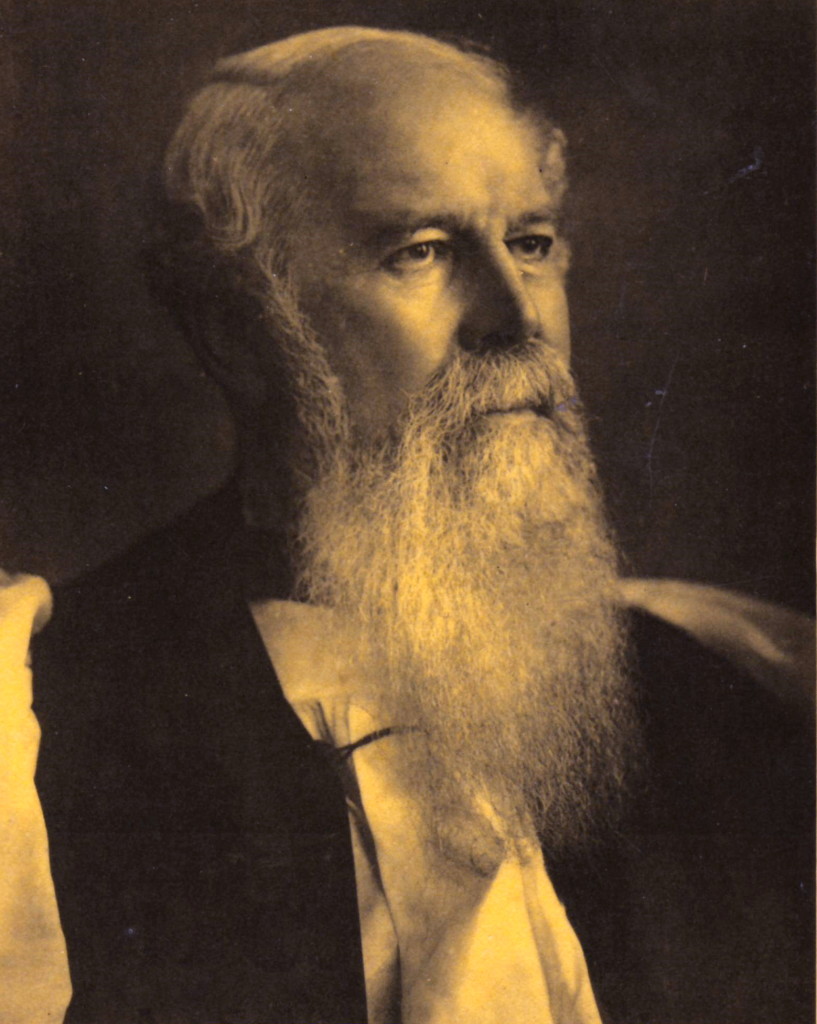
J.C. Ryle

A bugbear to frighten children and fools!

Matthew 25:41; Matthew 25:46; Psalm 9:17
J.C. Ryle November, 16 2012 Audio
0 Comments
Choice Puritan Devotional

J.C. Ryle's sermon, "A Bugbear to Frighten Children and Fools," addresses the critical doctrine of hell, emphasizing its reality and eternal nature as essential to the Christian faith. Ryle argues against the contemporary trend of diminishing the severity of hell, asserting that such views undermine the moral attributes of God, particularly His justice and holiness. He cites several Scripture references, including Matthew 25:41 and Psalm 9:17, to support his stance that Scripture categorically affirms the existence of hell and the eternal punishment of the wicked. The practical significance of the sermon lies in its call for ministers to boldly proclaim the full counsel of God, including the reality of hell, as neglecting this truth ultimately harms both the minister and the people, misleading them away from genuine understanding of the Gospel.

Key Quotes

“I believe that the time has come when it is a positive duty to speak plainly about the reality and eternity of hell.”

“Once let the old doctrine about hell be overthrown, and the whole system of Christianity is unsettled, unscrewed, unpinned, and thrown into disorder.”

“The kindest friend who tells me the whole extent of my danger… is the minister who keeps back hell from his people is a wicked and cruel man.”

“Surely it is helping the devil to hide eternal punishment from the impenitent and the ungodly.”

What does the Bible say about hell?

The Bible clearly affirms the reality and eternity of hell, describing it as a place of punishment for the wicked.

The Scriptures address the reality of hell explicitly, with passages indicating that it is a place of eternal punishment for those who reject God's mercy. Matthew 25:41 and Matthew 25:46 illustrate this with Jesus' own words about the eternal fate of the wicked. Psalm 9:17 proclaims that the wicked shall return to hell, emphasizing that God's justice requires the punishment of sin. Thus, acknowledging hell is essential for understanding the full nature of God's holiness and justice.

Matthew 25:41, Matthew 25:46, Psalm 9:17

How do we know the doctrine of hell is true?

The truth of hell is supported by Biblical authority and the teachings of Jesus, who spoke extensively about its reality.

The doctrine of hell is affirmed through numerous Biblical texts and by the teachings of Christ Himself. Jesus used various terms to describe hell, such as 'everlasting fire,' 'the place of torment,' and 'the resurrection of damnation.' His frequent references to the consequences of sin highlight the importance of not dismissing the concept of hell as outdated. Therefore, understanding hell as a reality is crucial for comprehending God's holiness and the severity of sin, ensuring clarity in the Christian gospel.

Matthew 25:41, Matthew 25:46, Mark 9:43-48

Why is the concept of eternal punishment important for Christians?

Eternal punishment underscores God's justice and the gravity of sin, emphasizing the need for salvation through Christ.

The concept of eternal punishment is vital as it reveals God's perfect justice and the serious consequences of unrepented sin. It serves as a powerful reminder of the reality of God's wrath and the high stakes of rejecting His grace. When we grasp the reality of hell, it enhances our understanding of salvation; Christ's sacrifice becomes essential for delivering us from such a fate. Moreover, acknowledging hell shapes our evangelism, motivating us to share the gospel in love and truth for the sake of those who are lost.

Matthew 25:41, Matthew 25:46, Romans 6:23

Sermon Transcript

Auto-generated transcript • May contain errors

100%
A Bugbear to Frighten Children and Fools.
J.C. Ryle, Holiness, Its Nature, Hindrances, Difficulties and Roots, 1879.

I believe that the time has come when it is a positive duty to speak plainly about the reality and eternity of hell. A flood of false doctrine has lately broken in upon us. Men are beginning to tell us that God is too loving and merciful to punish souls forever, and that all mankind, however wicked and ungodly some of them may be, will sooner or later be saved.

We are invited to leave the old paths of apostolic Christianity. We are told that the views of our fathers about hell and the devil and punishment are obsolete and old-fashioned. We are to embrace what is called a kind of theology, and treat hell as a pagan fable, or a bugbear to frighten children and fools.

Against such false teaching, I desire for one to protest. I, for one, am resolved to maintain the old position, and to assert the reality and eternity of hell. It is a question which lies at the very foundation of the whole gospel. The moral attributes of God, His justice, His holiness, His purity, are all involved in it. Once let the old doctrine about hell be overthrown, and the whole system of Christianity is unsettled, unscrewed, unpinned, and thrown into disorder.

The Scripture has spoken plainly and fully on the subject of hell. If words mean anything, then there is such a place as hell. If texts are to be interpreted fairly, then there are those who will be cast into hell. If language has any sense belonging to it, then hell is forever.

The drowning of the old world by the flood, the burning of Sodom and Gomorrah, the overthrow of Pharaoh and all his host in the Red Sea, the judgment on Korah, Dathan and Abiram, the utter destruction of the seven nations of Canaan, all teach the same solemn truth They are all given to us as beacons and signs and warnings that we may not provoke God. They all remind us that there is such a thing as the wrath of God. They all tell us plainly that the wicked shall be turned into hell.

Psalm 9, 17.

Set it firmly in your mind that the Lord Jesus Christ Himself has spoken most plainly about the reality and eternity of hell. No lips have used so many words to express the dreadfulness of hell as the lips of Jesus Hell, hellfire, the damnation of hell, eternal damnation, the resurrection of damnation, everlasting fire, the place of torment, outer darkness, the worm that never dies, the fire that is never quenched, the place of weeping, wailing, and gnashing of teeth, everlasting punishment. These, these are the words which the Lord Jesus Christ himself employs,

away with the miserable nonsense which people talk in this day, who tell us that the ministers of the gospel should never speak of hell. He is the kindest friend who tells me the whole extent of my danger. The watchman who keeps silence when he sees a fire is guilty of gross neglect. The doctor who tells us we are getting well when we are dying is a false friend. The minister who keeps back hell from his people is a wicked and cruel man.

What is the use of hiding eternal punishment from the impenitent and the ungodly? Surely it is helping the devil.
J.C. Ryle
About J.C. Ryle
John Charles Ryle (10 May 1816 — 10 June 1900) was an English evangelical Anglican bishop. He was the first Anglican bishop of Liverpool.
Broadcaster:

Comments

0 / 2000 characters
Comments are moderated before appearing.

Be the first to comment!

Joshua

Joshua

Shall we play a game? Ask me about articles, sermons, or theology from our library. I can also help you navigate the site.

0:00 0:00