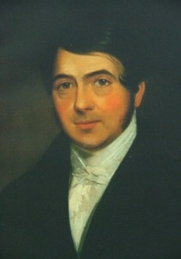
The sermon titled "The Whole Apparatus of Religion" by J.C. Philpot explores the distinction between natural and true religion, emphasizing their necessity and divergence in human experience. Philpot argues that while natural religion is rooted in the conscience of humanity and is vital for societal cohesion, true religion is a spiritual gift, belonging to the elect and representing their eternal relationship with God. He argues from Acts 17:22, highlighting the necessity of religion in society and contrasting it with Romans 12, which calls believers to present themselves as living sacrifices, showcasing the radical difference between worldly and true religion. The practical significance of this sermon lies in its call for believers to embrace true religion as a divine privilege while acknowledging the existence of a counterfeit that the world clings to out of necessity, underscoring the need for discernment among Christians.
“True religion is, spiritual and experimental, heavenly and divine, the gift and work of God, the birthright and privilege of the elect.”
“The two [true religion and worldly religion] are as separate as Christ and Belial.”
“All these things have sprung, as it were, out of a moral necessity, and are based upon the very constitution of man.”
“The attachment, then, of worldly people to a worldly religion, is no great mystery.”
The Bible contrasts true religion, which is spiritual and experiential, with worldly religion, indicating that true religion is a gift from God.
Acts 17:22, Romans 12
True religion is essential for Christians as it defines their identity and relationship with God, contrasting with worldly religions.
Romans 12
False religion is prevalent because fallen humanity often seeks to satisfy spiritual longings through misguided means.
Auto-generated transcript • May contain errors

Comments
Your comment has been submitted and is awaiting moderation. Once approved, it will appear on this page.
Be the first to comment!