Bootstrap
Charles Spurgeon

Pardon!

Charles Spurgeon April, 28 2009 Audio
0 Comments
Choice Puritan Devotional

C. H. Spurgeon's sermon "Pardon!" addresses the doctrine of divine grace and forgiveness through Christ, highlighting the profound contrast between the condemnation under the Law and the redemptive mercy available through faith in Jesus. The key arguments center around the overwhelming weight of sin and the despair it brings, represented by the Law, juxtaposed with the hope and healing found in Christ’s sacrifice. Spurgeon employs vivid imagery of personal anguish and subsequent relief, underscoring the transformative power of encountering the crucified Savior. Scripture references, particularly the call to arise from spiritual deadness (Ephesians 5:14), reinforce the message of awakening to the reality of grace. The sermon holds significant doctrinal importance within Reformed theology, affirming that salvation is by grace alone through faith alone, emphasizing that even the worst sinner can find pardon in Christ.

Key Quotes

“I have a message from God for you. You are condemned on account of your sins.”

“He seemed to vanish from my sight. But he appeared again, hanging there.”

“Oh, how astonished was I that I should be pardoned. It was not the pardon that I wondered at so much.”

“I had melody within my spirit, for I was saved, washed, cleansed, forgiven through Him who hung upon the tree.”

What does the Bible say about forgiveness?

The Bible proclaims that through Christ's sacrifice, believers are fully pardoned from sin.

The concept of forgiveness is central to the Gospel and is rooted in the redemptive work of Jesus Christ. According to Ephesians 1:7, 'In him we have redemption through his blood, the forgiveness of our trespasses, according to the riches of his grace.' This highlights that forgiveness is not just a passing over of sins but a profound act of grace that comes through faith in Christ. The astonishing nature of this grace is reflected in how it reaches even the most troubled and guilty souls, as was illustrated by the preacher's personal experience of relief and healing at the sight of Christ on the cross.

Moreover, Romans 8:1 declares, 'There is therefore now no condemnation for those who are in Christ Jesus.' This underscores the assurance that believers can live free from the torment of guilt and the Law, as they are fully forgiven. The love and mercy of God manifest in this forgiveness are not earned by human effort or works but are graciously given to those who believe. Therefore, believers rejoice in their pardon, not in their merit, but in the unmerited favor of God.

Ephesians 1:7, Romans 8:1

How do we know salvation is by grace alone?

Salvation is by grace alone as demonstrated through Scripture that emphasizes faith in Christ, not works.

The doctrine of salvation by grace alone is foundational in Reformed theology and affirmed throughout Scripture. Ephesians 2:8-9 states, 'For by grace you have been saved through faith, and that not of yourselves; it is the gift of God, not of works, lest anyone should boast.' This passage clearly indicates that salvation is a gift from God, something we cannot earn or achieve through our own efforts, but rather receive through faith.

Moreover, this aspect of grace is further illustrated in the personal testimony provided in the sermon where the speaker, despite recognizing his deep sinfulness and guilt, finds hope and vindication not in his merit but in looking to Christ crucified. The realization that it is Christ's sacrifice that brings about pardon emphasizes that salvation is wholly dependent on God's grace. Such grace is profoundly transformative, turning hearts of stone into hearts of flesh, capable of receiving God's mercy and forgiveness in Christ alone. This assurance fosters a profound sense of gratitude and awe in believers, as they comprehend the depth of grace bestowed upon them.

Ephesians 2:8-9

Why is understanding God's grace important for Christians?

Understanding God's grace is essential for Christians as it shapes their identity and relationship with God.

Understanding God's grace is vital for every believer, as it defines not only their salvation but also their daily walk with God. Grace reveals the unmerited favor God bestows upon sinners who deserve condemnation. This comprehension turns the Christian's focus away from self-righteousness and onto Christ's finished work. As 2 Corinthians 12:9 states, 'My grace is sufficient for you, for my power is made perfect in weakness.' This affirms that it is through grace believers experience God's sustaining and empowering presence in their lives.

Furthermore, recognizing the immensity of God's grace instills a sense of humility and gratitude in believers. As illustrated in the sermon, the astonishing realization of pardon despite overwhelming sinfulness leads to a lifestyle of worship and devotion. This understanding propels Christians to share the good news of grace with others, reflecting God's love in their relationships. Therefore, the importance of grace cannot be overstated; it not only initiates salvation but continues to shape all aspects of the Christian life, compelling believers to live in a manner that glorifies God.

2 Corinthians 12:9

Sermon Transcript

Auto-generated transcript • May contain errors
100%
Once upon a time there came to my house one of a black and stern aspect. He smote the door. I tried to bolt it, to hold it fast. He smote again and again, till at last he entered, and with a rough voice he summoned me before him, and he said, I have a message from God for you. You are condemned on account of your sins. I looked at him with astonishment. I asked him his name. He said, My name is the Law. And I fell at his feet as one that was dead.

As I lay there, he smote me. He smote me till every rib seemed as if it must break. My heart was melted like wax within me. I seemed to be stretched upon a rack, to be pinched with hot irons, to be beaten with whips of burning wire. An extreme misery dwelt and reigned in my heart. I dared not lift up my eyes, but I thought within myself, there may be hope, there may be mercy for me. Perhaps the God whom I have offended may accept my tears and my promises of amendment, and I may live. But when that thought crossed my mind, heavier were the blows, and more poignant in my sufferings than before, till hope entirely failed me. and I had nothing wherein to trust. Darkness, black and dense, gathered round me. I heard a voice, as it were, of rushing to and fro, and of wailing and gnashing of teeth. I said within my soul, I am cast out from God's sight. I am utterly abhorred by God. He has trampled me in the mire of the streets in His anger.

Soon another came by, of sorrowful but of loving aspect, and he stooped over me and he said, Awake, you who sleep, and arise from the dead, and Christ shall give you light. I arose in astonishment, and he took me, and he led me to a place where stood a cross, and he seemed to vanish from my sight. But he appeared again, hanging there. I looked upon him as he bled upon that tree. His eyes darted a glance of unutterable love into my spirit, and in a moment Looking at him, the bruises that my soul had suffered were healed. The gaping wounds were cured. The broken bones rejoiced. The rags that had covered me were all removed. My spirit was as white as the spotless snow. I had melody within my spirit, for I was saved, washed, cleansed, forgiven through Him who hung upon the tree.

Oh, how astonished was I that I should be pardoned. It was not the pardon that I wondered at so much. The wonder was that it should come to me. I wondered that he should be able to pardon such sins as mine, such crimes so numerous and so black.

This Puritan devotional has been brought to you by Grace Gems, a treasury of ageless Sovereign Grace writings. Please visit our website at www.gracegems.org, where you can browse and freely download thousands of choice books, sermons, and quotes, along with select audio messages. No donations accepted. Thank you.
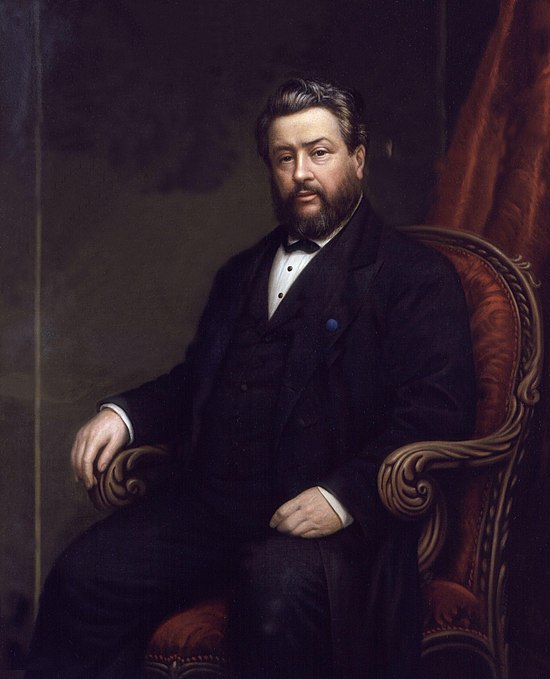
Charles Spurgeon
About Charles Spurgeon
Charles Haddon Spurgeon (19 June 1834 — 31 January 1892) was an English Particular Baptist preacher. His nickname is the "Prince of Preachers."
Broadcaster:

Comments

0 / 2000 characters
Comments are moderated before appearing.

Be the first to comment!

Joshua

Joshua

Shall we play a game? Ask me about articles, sermons, or theology from our library. I can also help you navigate the site.

0:00 0:00
