Bootstrap
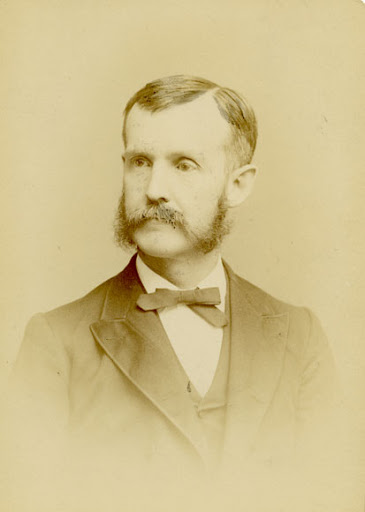
J.R. Miller

How can we learn contentment?

J.R. Miller February, 18 2009 Audio
0 Comments
Choice Puritan Devotional

The TEXT for the audio can be found here:

https://www.gracegems.org/08/09/contentment.html

You will find it most helpful to read the text as you listen to the audio.

In his sermon "How Can We Learn Contentment?", J. R. Miller addresses the theological concept of contentment through a biblical lens, particularly drawing on Philippians 4:11. He argues that contentment is rooted in patient submission to life's unavoidable hardships and a moderation of desires, emphasizing that true contentment does not depend on changing external circumstances but instead arises from an internal heart transformation. Scripture, especially Paul's teachings, underscores that discontent arises from within rather than from external environments, suggesting that believers can find peace and satisfaction when they focus on spiritual realities rather than materialistic pursuits. The sermon holds significant practical relevance by encouraging Christians to derive joy from their current state, ultimately advocating for the development of a rich inner life centered on God, which fosters lasting peace despite external trials.

Key Quotes

“Discontent never made a rough path smoother, a heavy burden lighter, A bitter cup, less bitter. A dark way, brighter. A sore sorrow, less sore.”

“If we would live to please God, to build up Christlike character in ourselves, and to lay up treasure in heaven, we shall not depend for happiness on the way things go with us here on earth.”

“The real cause of our discontent is not in our circumstances. If it were, a change of circumstances would cure it. It is in ourselves, and wherever we go, we shall carry our discontent heart with us.”

“One year of sweet contentment amid Earth's troublous scenes is better than a whole lifetime of vexed, restless discontent.”

Sermon Transcript

Auto-generated transcript • May contain errors

100%
How can we learn contentment? by J. R. Miller I have learned
to be content in whatever circumstances I am. Philippians 4 verse 11
How can we learn contentment? One step toward contentment is
patient submission to unavoidable ills and hardships. No earthly
lot is perfect. No mortal ever yet in this world
has found a set of circumstances without some drawback. There
are trials which we cannot change into blessings. burdens which
we cannot lay down, crosses which we must continue to carry, thorns
in the flesh which must remain with their rankling pain. When
we have such trials, why should we not sweetly accept them as
part of God's best way with us? Discontent never made a rough
path smoother, a heavy burden lighter, A bitter cup, less bitter. A dark way, brighter. A sore
sorrow, less sore. It only makes matters worse.
One who accepts with patience that which he cannot change has
learned one secret of victorious living. Another part of the lesson
is that we can learn to moderate our desires. having food and
clothing, says Paul again, let us be content with these. Very much of our discontent arises
from envy of those who seem to be more favored than ourselves.
Many people lose most of the comfort out of their own lot
in coveting the finer, more luxurious things which some neighbor has. Yet if they knew the whole story
of the life they envy for its greater prosperity, they probably
would not exchange it for their own lowlier life with its more
humble circumstances. Or, if they could make the exchange,
it is not likely they would find half so much real happiness in
the other position as they would have enjoyed in their own. Contentment does not dwell so
often in palaces as in the homes of the humble. The tall peaks
rise higher and are more conspicuous, But the winds smite them more
fiercely than they do the quiet valleys. And surely, the lot
in life which God makes for us is always the best which could
be made for us for the time. He knows better than we do what
our true needs are. The real cause of our discontent
is not in our circumstances. If it were, a change of circumstances
would cure it. It is in ourselves, and wherever
we go, we shall carry our discontent heart with us. The only cure
which will affect anything must be the curing of the fever of
discontent in us. A fine secret of contentment
lies in finding and extracting all the pleasures we can get
from the things we have. the common, everyday things,
while we enter upon no mad, vain chase after impossible dreams. In whatever state we are in,
we may find therein enough for our need. No earthly misfortune
can touch the wealth which a Christian holds in the divine promises
and hopes. Just in the measure, therefore,
in which we learn to live for spiritual and unseen eternal
realities, do we find contentment amid earth's trials and losses. If we would live to please God,
to build up Christlike character in ourselves, and to lay up treasure
in heaven, we shall not depend for happiness on the way things
go with us here on earth. nor on the measures of temporal
goods we have. The earthly desires are crowded
out by the higher and spiritual desires. We can do without childhood's
toys when we have manhood's better possessions. We desire the toys
of this world less as we get more of God and heaven into our
hearts. Paul knew this secret. He cheerfully gave up all that
this world had for him. Money had no power over him. He knew how to live in plenty,
but he did not fret when poverty came instead. He was content
in any trial, because earth meant so little, and Christ meant so
much to him. He did not need the things He
did not have. He was not made poor by the things
He lost. He was not vexed by the sufferings
He had to endure, because the sources of His life were in heaven
and could not be touched by earthly experiences of pain or loss. These are hints of the way we
may learn to be content in whatever circumstances. Surely the lesson
is worth learning. One year of sweet contentment
amid Earth's troublous scenes is better than a whole lifetime
of vexed, restless discontent. The lesson can be learned, too,
by anyone who is truly Christ's disciple. For did not the Master
say, Peace I leave with you, My peace I give unto you? The artist painted life as a
dark, storm-swept sea covered with wrecks. Then out of the
midst of the wild waves, He made to rise a great rock, In a cleft
of which, high up, amid herbage and flowers, He painted a dove
sitting quietly on her nest. It is a picture of Christian
peace in the midst of this world's strifes and storms. In the cleft of the rock, is
the home of contentment. This Puritan devotional has been
brought to you by Grace Gems, a treasury of ageless Sovereign
Grace writings. Please visit our website at www.gracegems.org,
where you can browse and freely download thousands of choice
books, sermons, and quotes, along with select audio messages. No
donations accepted. Thank you. you
J.R. Miller
About J.R. Miller
James Russell Miller (20 March 1840 — 2 July 1912) was a popular Christian author, Editorial Superintendent of the Presbyterian Board of Publication, and pastor of several churches in Pennsylvania and Illinois.
Broadcaster:

Comments

0 / 2000 characters
Comments are moderated before appearing.

Be the first to comment!

Joshua

Joshua

Shall we play a game? Ask me about articles, sermons, or theology from our library. I can also help you navigate the site.