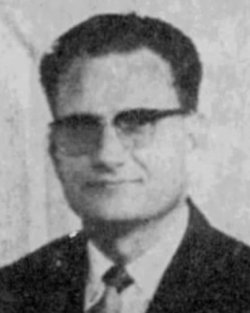
#12 Isaiah 53 - The Necessity of the Savior's Death, Part 1
Isaiah 53:12
In this sermon by Wilbur Elias Best on Isaiah 53:12, the primary theological topic addressed is the necessity of the Savior's death and its implications for redemption, particularly focusing on the nature of Christ's atonement. Best articulates key arguments regarding Christ's suffering as both a voluntary act and a fulfillment of divine justice, highlighting the covenantal framework that necessitated the sacrificial death of Jesus. He references various parts of Isaiah 53, notably the statement that Christ bore the sins of many and made intercession for transgressors, to support the idea that His death was pivotal in the reconciliation between God and humanity. Furthermore, Best distinguishes between the absolute and conditional necessity of Christ's death, asserting that while the death was essential for the fulfillment of the covenant, it was ultimately driven by God's grace rather than obligation. The significance of this sermon lies in its exploration of Reformed doctrines, particularly the understanding of Christ's death as the fulfillment of justice and the basis for believers’ salvation.
“It is befitting that the Sovereign Savior who was introduced in the first part of the chapter now is being rewarded by the Father for the work accomplished by him in his substitutionary work.”
“The more you and I know about the death of Christ, the greater appreciation we have for Him and for our relationship to Him.”
“God is subject to no laws outside of himself. That’s why he’s sovereign. And there is but one absolute sovereign. And the one absolute sovereign is Jehovah God.”
“The death of Jesus Christ supposes that after transgression, God would redeem the offender.”
The Bible emphasizes that Christ's death was essential for the forgiveness of sins, and it was conditioned upon God's sovereign choice to redeem His people.
Isaiah 53, Luke 24:26, Exodus 34:7
Christ's death is conditionally necessary as it depends on God's gracious decision to forgive some of humanity's sins through the covenant made with the Son.
Hebrews 13:20-21, Luke 24:26, Isaiah 53
Christ's intercession is crucial because He mediates on behalf of believers, ensuring their access to God's grace and forgiveness.
Isaiah 53:12, Hebrews 7:25
'He bore the sin of many' indicates that Christ's sacrificial death was for the elect, not for all of humanity, highlighting the doctrine of particular redemption.
Isaiah 53:12, Ephesians 1:4-5
Isaiah 53 describes how Christ's death fulfills God's justice by satisfying the demands of sin through His substitutionary atonement.
Isaiah 53, Romans 3:26
Auto-generated transcript • May contain errors

Comments
Your comment has been submitted and is awaiting moderation. Once approved, it will appear on this page.
Be the first to comment!