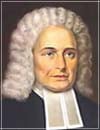
The sermon "Justice and Mercy" by Samuel Davies explores the theological tension and harmony between God's justice and mercy, particularly as revealed in the substitutionary death of Christ. Davies articulates that true justice and mercy are beautifully reconciled at the cross, where justice is fulfilled while mercy is abundantly extended to sinners. He references Psalm 85:10, emphasizing how righteousness and peace converge in Christ as both the seemingly opposing attributes are exemplified perfectly in His work of redemption. The practical significance of his message lies in highlighting that God's character is both just and merciful; thus, believers can find assurance in their salvation, knowing that it upholds Divine justice while offering unmerited grace.
“Justice shines brighter in the cross than if ever sin had been punished upon offenders without any mercy.”
“Mercy appears in providing such a Savior. Justice appears in inflicting the punishment due to sin upon Him without abatement, though He loved Him more than the whole universe of creatures.”
“God gives the brightest display of His justice in the freest exercise of His mercy.”
“What a stupendous display of the infinite wisdom of God!”
The Bible illustrates that justice and mercy beautifully converge in the work of Christ on the cross.
Psalm 85:10
Christ's death satisfies justice by fully enduring the penalty of sin, thereby upholding God's holiness and righteousness.
None directly cited in this answer
Understanding justice and mercy is crucial as it reveals the fullness of God's character and His plan for salvation.
None directly cited in this answer
Substitutionary atonement is significant as it fulfills both justice and mercy, allowing sinners to be justified before God.
None directly cited in this answer
Auto-generated transcript • May contain errors

Comments
Your comment has been submitted and is awaiting moderation. Once approved, it will appear on this page.
Be the first to comment!