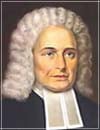
The sermon "What is it, to be a Christian?" by Samuel Davies addresses the essential nature of being a Christian as defined by Scriptural standards. The main theological focus is on the necessity of departing from sin, self-denial, and imitating Christ's character, supported by Scriptures such as 2 Timothy 2:19 and Romans 6:14. Davies argues that true Christians must cease from iniquity and actively strive for holiness, as exemplified by Christ's pure nature. He emphasizes that the Christian identity cannot be authentically claimed while indulging in sin, and this reality carries significant implications for the moral integrity of the church and individual believers. Thus, the call to follow Christ involves an active commitment to holiness and a rejection of worldly distractions, which is a hallmark of Reformed theology's emphasis on sanctification.
“Let everyone who names the name of Christ depart from iniquity, 2 Timothy 2.19. That is, let him depart from iniquity, or not even dare to take that sacred name.”
“To be a Christian without self-denial, mortification, and a supreme love to Jesus Christ is as great a contradiction as fire without heat, a sun without light, a hero without courage, or a friend without love.”
“Christ left us an example that we should follow His steps, 1 Peter 2.21. He was the most perfect pattern of living holiness and virtue that was ever exhibited in the world.”
“Whoever claims to live in him must walk as Jesus did. 1 John 2.6”
To be a Christian is to depart from iniquity and follow Christ's example.
2 Timothy 2:19, 1 Peter 2:21, Romans 8:29
Self-denial is crucial for Christians as it is a key aspect of discipleship defined by Christ.
Luke 9:23
Imitating Christ is essential as it reflects true Christian character and aligns with being His follower.
1 Peter 2:21, Romans 8:29
Auto-generated transcript • May contain errors

Comments
Your comment has been submitted and is awaiting moderation. Once approved, it will appear on this page.
Be the first to comment!