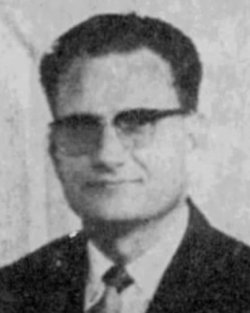
The sermon "The Silent Savior" by Wilbur Elias Best focuses on the theological implications of Isaiah 53:7, emphasizing the doctrine of Christ's vicarious suffering. Best argues that Jesus Christ is depicted in the passage as both the "suffering substitute" and the "silent sufferer," illustrating the nature of His obedience and submission to the Father's will in the face of unjust accusations and suffering. Key Scripture references include Isaiah 53:7, 1 Peter 2:23, and Philippians 2:8, which collectively support the assertion that Christ’s silence during His trials demonstrates both divine strength and His role as an unblemished sacrificial Lamb. Practically, this understanding reinforces the Reformed views of substitutionary atonement and the necessity of personal reflection on one's relationship with Christ, urging believers to recognize His example in their own suffering.
Key Quotes
“Jesus Christ suffered vicariously... He suffered because of our sinfulness, and he suffered secondly because of God's ordination.”
“Salvation is not amnesty. Salvation is redemption... by the suffering of Jesus Christ, who suffered vicariously on the cross.”
“Christ's silence was one of his greatest manifestations of deity... His silence was full of suffering, suffering that was vicarious and expiatory.”
“A suffering people need the example of the suffering substitute, and that's what we have in the five chapters of 1 Peter.”
The Bible describes Jesus Christ's suffering as vicarious, voluntary, and fulfilling God's divine plan for redemption.
Isaiah 53:7 states that He was oppressed and afflicted, yet He opened not His mouth. This indicates Jesus Christ's role as the suffering substitute for humanity, taking upon Himself the punishment deserved for our sins due to God's appointment and ordination. His willing submission to suffering exemplifies the divine plan of salvation, confirming that Christ’s actions were not just reactive but rather a deliberate choice to fulfill His mission as our Savior. Throughout the New Testament, this silence in the face of accusation illustrates His authority and the strength of His character, fulfilling prophecies while willingly enduring humiliation for the sake of our redemption.
Isaiah 53:7, Matthew 27:31, John 19, Romans 5:21
Jesus Christ's silence during His trials affirms His role as the vicarious substitute for humanity's sins.
The concept of Jesus as the vicarious substitute is rooted in both Old and New Testament teachings. Isaiah 53:6 emphasizes that 'the Lord hath laid on Him the iniquity of us all', revealing that Christ bore the consequences of sin on behalf of the elect. His suffering was not just physical but also spiritual, satisfying the demands of divine justice that would have fallen upon us. As 1 Peter 1:18-19 notes, we are redeemed by the precious blood of Christ, not through a general pardon, but through His specific sacrifice made on our behalf. This substantiates the need for Him to endure suffering in silence, highlighting that He bore our transgressions willingly.
Isaiah 53:6, 1 Peter 1:18-19
Jesus' silence during His suffering showcases His unwavering strength and the fulfillment of God's redemptive plan.
The silence of Jesus during His trial and suffering reflects both His divine nature and His role as our advocate. By not defending Himself, He exemplifies obedience to the will of the Father and highlights the futility of words when faced with deeply ingrained prejudice. As described in Isaiah 53:7, His silence is a manifestation of strength, demonstrating that mere words cannot alter the course set by divine prophecy. The significance of His silent suffering is foundational in understanding the depth of His sacrificial love; it illustrates that He did not come to seek personal vindication but to fulfill the mission of salvation. This example calls believers to patience and humility in their own sufferings.
Isaiah 53:7, Matthew 26:63-64, 1 Peter 2:21
The silence of Christ reveals His strength, authority, and divine submission to the Father's will.
Christ’s silence amidst accusations and humiliation emphasizes His sovereignty and control over His circumstances. In contrast to typical human responses that react to adversity with defensiveness, Jesus displays a profound trust in God's plan. As noted in Matthew 27:11, He answered nothing when falsely accused, demonstrating that His mission transcended personal defense. This act of self-restraint exemplifies perfect obedience and submission, pivotal characteristics of His divine mission. Furthermore, His silence under pressure serves as an instruction for believers on how to respond to trials: with confidence in God's sovereignty, knowing that the ultimate justice belongs to Him. Such an example is compelling for Christian conduct today in the face of suffering.
Matthew 27:11, John 5:18
Isaiah 53:7 underscores the theology of substitution by presenting Jesus as the innocent lamb who suffers for the sins of others.
Isaiah 53:7 is pivotal in understanding the doctrine of substitutionary atonement. It articulates that Jesus, though innocent, was oppressed and afflicted for the sake of mankind, enduring suffering without protest. This aligns with the Reformed theological tenet that Christ's death was a substitutionary sacrifice, intended to atone for the sins of the elect. The imagery of the lamb led to slaughter not only fulfills Old Testament sacrificial typology but highlights the voluntary nature of Christ's sacrifice, affirming His willingness to stand in the place of sinners. This foundational belief reinforces the Reformed understanding of salvation; it is not based on human merit but entirely upon the finished work of Christ.
Isaiah 53:7, 1 Peter 2:24

Comments
Your comment has been submitted and is awaiting moderation. Once approved, it will appear on this page.
Be the first to comment!