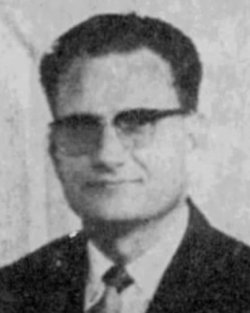
#10 Isaiah 53 - The Savior's Soul Made an Offering
Isaiah 53:10
The sermon by Wilbur Elias Best on Isaiah 53:10 centers on the theological exploration of Christ's soul being "made an offering for sin." Best emphasizes the distinction between Christ's soul being poured out unto death and the concept of the soul experiencing death in the absolute sense. He argues that while Christ's physical death did take place, His soul did not die, but rather was sorrowful unto death due to the weight of sin. The sermon references several Scriptures, including Romans 9:3 and Matthew 26:38, to illustrate the profound suffering of Christ and its implications for salvation. Best stresses that understanding the nature of Christ's sacrifice is crucial for grasping the believer's security in Christ and the significance of atonement in Reformed theology, ultimately leading to a deeper appreciation of God's grace and the gravity of sin.
“Christ's soul was made an offering for sin. His soul was poured out unto death.”
“The curse that Jesus Christ endured for you and me...did not work death in his soul, but a heaviness unto death.”
“Communion with the Father was broken, but union in the Godhead was not broken.”
“Jesus Christ was forsaken for us that we might not be forsaken.”
Isaiah 53 describes the soul of Jesus as being made an offering for sin, emphasizing His suffering and ultimate goal of justifying many.
Isaiah 53:10-12
The Bible confirms that Jesus' soul was poured out unto death but did not die, as evidenced by His resurrection.
Acts 2:24, Isaiah 53:10
Jesus' forsakenness signifies the profound suffering He endured as our surety, representing the penalty for our sins.
Matthew 27:46, Isaiah 53
Paul's willingness to be accursed for his brethren reflects the sacrificial love and solidarity he includes with Christ's own suffering.
Romans 9:3, Isaiah 53
Auto-generated transcript • May contain errors

Comments
Your comment has been submitted and is awaiting moderation. Once approved, it will appear on this page.
Be the first to comment!