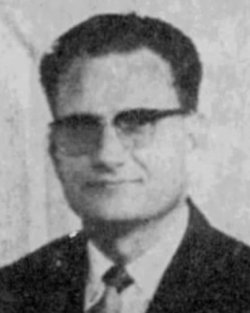
In his sermon "The Origin of Sin, Part 2," Wilbur Elias Best delves into the complex theological questions surrounding the nature of sin and its relationship to God's will. He argues that while God does not create sin, sin's existence is part of His sovereign plan, highlighting the distinction between God's permissive will and the realization of sin in humanity. Best cites Isaiah 45:7 to illustrate that God’s act of creating "evil" refers to the consequences or punishments for sin, not sin itself. He asserts that the origin of moral evil lies not in God's creative act but in the free agency of beings like Lucifer and Adam. The sermon emphasizes the importance of understanding personal accountability for sin, reinforcing that despite God's sovereignty, individuals are responsible for their actions, underscoring Reformed doctrines of total depravity and personal sinfulness.
“The origin of moral evil is by no means affirmed as being of God.”
“Sin came into the world without motive... it could be said that it is the motive for all thinking and actions of men.”
“The difference between authorship and purposing sin is that God did not originate sin, but he did purpose that sin come into being.”
“The Bible describes man's sin as personal and denies its causal relation to the origin of all things.”
The Bible teaches that sin originated with Lucifer and not with God's creation.
Isaiah 45:7, Romans 5:12
God is not the author of sin because sin is not part of His original creation or perfect will.
Ezekiel 28:15, Romans 1:18-32
Understanding this relationship emphasizes God's sovereignty and the moral responsibility of humanity.
Romans 3:23, Romans 5:12
This distinction clarifies that God does not create sin but allows it in His sovereign plan.
The personal nature of sin underscores individual accountability and the need for personal repentance.
Mark 7:21, Hosea 7:2
Auto-generated transcript • May contain errors

Comments
Your comment has been submitted and is awaiting moderation. Once approved, it will appear on this page.
Be the first to comment!