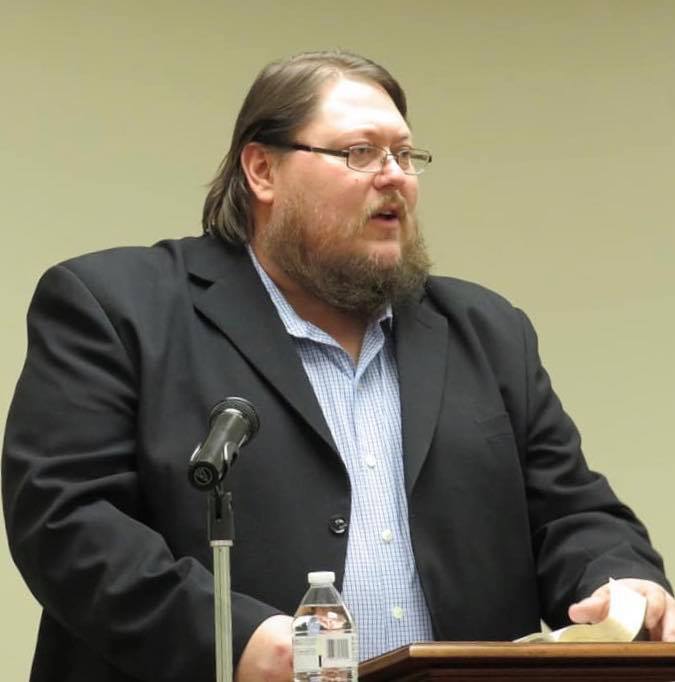
In the sermon "Sovereignty in Sin and Evil Pt 2," Mikal Smith addresses the complex theological nature of God’s sovereignty in relation to sin and evil, particularly questioning the phrase "God is the author of sin." He argues that while God predestines and sovereignly rules over all events, including sin, He Himself does not sin nor tempt others to sin. Smith supports his points with biblical references such as Romans 5:12, James 1:13-15, and Acts 2:23, to clarify that while men make the actual choices to sin, these events ultimately serve God's divine purpose for His glory, consistent with Reformed theology. This sermon highlights the importance of understanding God's sovereignty and human agency, and it calls for a deeper examination of Scripture to avoid misunderstandings that arise from theological traditions. The doctrinal significance lies in recognizing that God's sovereignty encompasses all of creation, including human sin, without implicating Him in moral wrongdoing.
“It is God's purpose that sin and death would enter the world because He purposed that Christ would redeem a sinful people by death.”
“God can bring about things that are sinful and evil in His providence by His purpose through the work of man, who actually does the sinning.”
“The law entered that the offense might abound, but where sin abounded, grace did much more abound.”
“To say that sin and evil was an accident that happened with Adam at the beginning is completely against what all Scripture says.”
The Bible teaches that God is sovereign over all creation and even utilizes sin and evil to fulfill His purposes.
Romans 5:12, Acts 2:22-23, Acts 4:27-28, James 1:13-15
God is considered the author of sin because He ordains all things and has decreed that sin exists, but He does not sin Himself.
Romans 9:17, Acts 2:23, James 1:13-14
Understanding God's sovereignty in sin and evil reassures Christians of God's ultimate plan and control over all circumstances.
Romans 8:28, Genesis 50:20 (Joseph's perspective), Isaiah 46:10
Auto-generated transcript • May contain errors

Comments
Your comment has been submitted and is awaiting moderation. Once approved, it will appear on this page.
Be the first to comment!