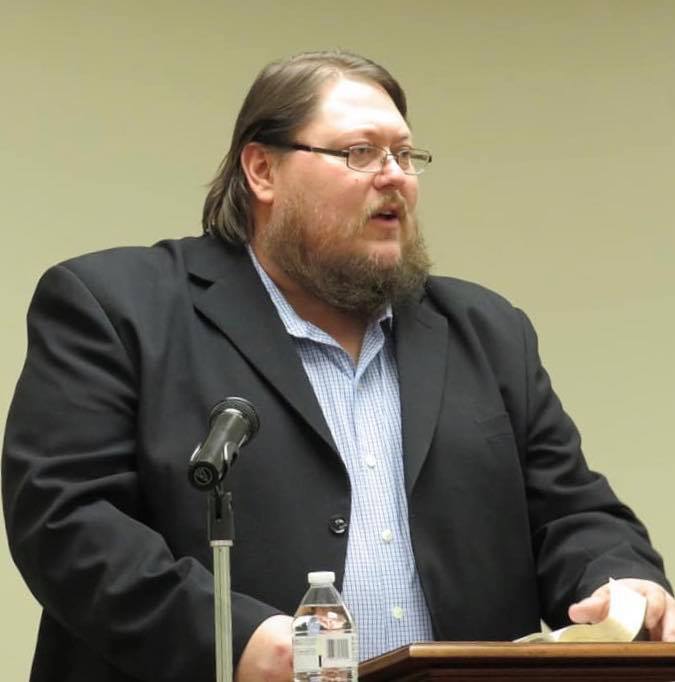
In the sermon "Worship of the Church Pt. 3," Mikal Smith addresses the doctrine of true worship, emphasizing its necessity to be conducted in spirit and truth as established in John 4:21-24. Key arguments presented include the idea that God actively seeks true worshipers whom He makes through the Holy Spirit, rather than passive observers (John 4:23). Smith underscores that worship must be rooted in biblical commands and that the church consists only of baptized, regenerated believers who worship God alone. He warns against various forms of idolatry and misdirected worship, such as the reverence of images, reliance on human wisdom, and engagement in contemporary pagan practices, supporting his claims with references from Deuteronomy and Isaiah. The practical significance of the sermon lies in its call for the church to maintain purity in worship, ensuring that all acts of worship glorify God alone and are conducted according to His established order.
Key Quotes
“True worshipers shall worship the Father in spirit and in truth. For the Father seeketh such to worship him.”
“Worship comes from the heart. The true worshipers worship in spirit and in truth, not in a worship leader, not in a worship group.”
“We shouldn't give worship to demons.”
“Our patriotism shouldn't be toward God and our flag. It should be to the king.”
The Bible teaches that true worshipers must worship God in spirit and truth (John 4:24).
According to John 4:21-24, true worship involves a genuine relationship with God, where individuals worship in both spirit and truth. This means that worship is not merely about external rituals or locations; it is an internal matter that reflects a heart engaged with God. The Holy Spirit empowers believers to worship authentically, moving beyond mere routine to a heartfelt devotion that acknowledges God’s worth and the truth of His Word. Worship must therefore be rooted in the reality of who God is and what He has accomplished through Christ.
John 4:21-24
Sovereign grace is rooted in Scripture, emphasizing God's initiative in salvation (Ephesians 1:4-5).
The doctrine of sovereign grace is evidenced through numerous biblical passages that highlight God's sovereignty in salvation. Ephesians 1:4-5 illustrates that God chose certain individuals for salvation before the foundation of the world, demonstrating His sovereign will in selecting those whom He will redeem. This reflects the broader biblical narrative, where God's grace is unmerited and offered freely to those He has predestined, thus confirming the truth of sovereign grace through Scripture. It teaches that our salvation is not based on our actions but entirely on God's initiative and purpose.
Ephesians 1:4-5
The church is essential as the gathered assembly for worship, service, and fostering community among believers.
The church serves as the vital community of believers who gather to worship God, uphold the truth of the Gospel, and encourage one another in their faith. According to Scripture, the church is described as the Body of Christ, where each member plays a unique role (1 Corinthians 12:12-27). The gathering provides a space for collective worship, teaching of the Word, and the sacraments, which are vital for spiritual growth. Furthermore, the church functions as a support system for believers to grow in Christ-likeness and to fulfill the Great Commission by sharing the Gospel with the world.
1 Corinthians 12:12-27
The Holy Spirit empowers believers for true worship, guiding them in both spirit and truth (John 4:24).
The Holy Spirit plays a crucial role in the worship of believers by enabling them to connect with God authentically. As John 4:24 states, true worshipers worship the Father in spirit and in truth, which implies that the Holy Spirit quickens and transforms the hearts of believers, leading them to worship according to the truth of God's Word. He helps to align their affections and understanding towards God, ensuring that worship is not merely a formality but a deep, meaningful encounter with the Creator. The Holy Spirit also aids in revealing divine truths that shape the content and direction of worship, ensuring that it is pleasing to God.
John 4:24
Some churches may add elements to worship that distract from or contradict the true essence of worshiping God alone.
Incorrect worship, as observed in some churches, often arises from a focus on external symbols, rituals, or practices that detract from the simplicity and purity of worshiping God alone. Texts like Deuteronomy 17 warn against worshiping created things or adopting the practices of surrounding cultures (insert specific verses). When churches use icons, graven images, or overly emotional forms of worship rather than focusing on the truth of Scripture, they risk leading congregants away from the biblical understanding of worship. True worship should be centered on God’s revelation and the work of Christ, not on cultural or personal preferences that may dilute the sacredness of corporate worship.
Deuteronomy 17
Comments
Your comment has been submitted and is awaiting moderation. Once approved, it will appear on this page.
Be the first to comment!
