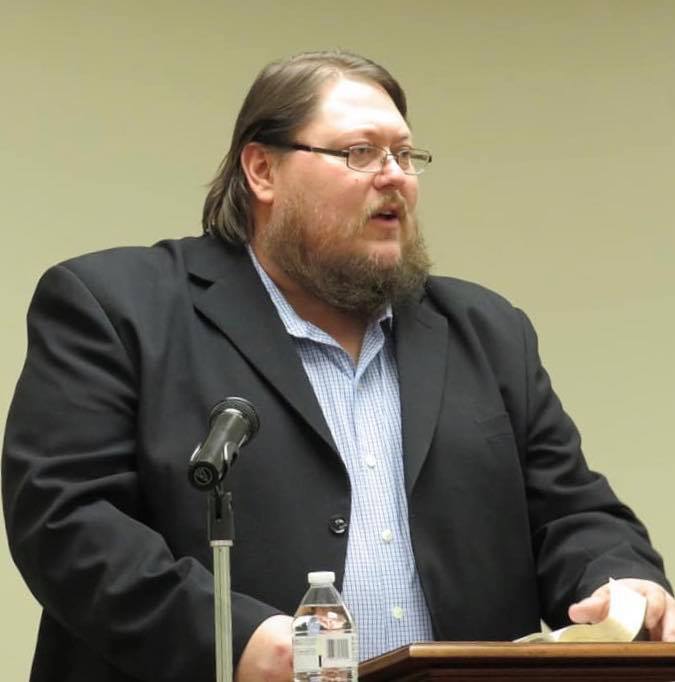
In the sermon titled "Officers of the Church Pt. 2," Mikal Smith addresses the biblical framework for understanding church leadership, particularly focusing on the offices of apostle and prophet as outlined in Ephesians 4:1-16. He argues that these roles were foundational and designated for a specific period in the early church, primarily to lay the groundwork for future leaders and ultimately for the written scripture. By contrasting the temporary offices of apostles and prophets with the ongoing roles of pastor-teachers and deacons, he underscores the importance of maintaining unity and servanthood within the local body of Christ. The key scriptural references include Ephesians 4 and Hebrews 2, which emphasize the purpose of these gifts for the edification of the body and the confirmation of apostolic authority through signs and wonders. The practical significance of this teaching is to clarify the structure of church leadership and reaffirm the sufficiency of Scripture as the guiding authority in the church.
“The apostles were directly or personally commissioned by the Lord Jesus.”
“The office of apostle was a foundational office, a temporary gift that was given to the churches until the Word of God could be given to the church.”
“To be an apostle, you had to be commissioned directly from Christ, personally by Christ. You had to receive your message, your doctrine and practice directly from Christ.”
“Once that foundation is laid, we now have that foundation that's there. So what do we do? We add the material that's on top of that.”
The Bible designates two main offices in the church: pastor-teacher and deacon, as outlined in Ephesians 4.
Ephesians 4:11-12, 1 Timothy 3:1-13
The office of pastor is crucial as it leads God's people in worship and teaches sound doctrine.
Ephesians 4:11-12, 1 Timothy 3:2
The doctrine is established through Scripture, particularly through the teachings in Ephesians and the qualifications outlined in 1 Timothy.
Ephesians 4:11, 1 Timothy 3:1-13
Deacons serve to assist the church's ministry and ensure that physical needs are met, allowing pastors to focus on spiritual teaching.
Acts 6:1-6, 1 Timothy 3:8-13
Auto-generated transcript • May contain errors

Comments
Your comment has been submitted and is awaiting moderation. Once approved, it will appear on this page.
Be the first to comment!