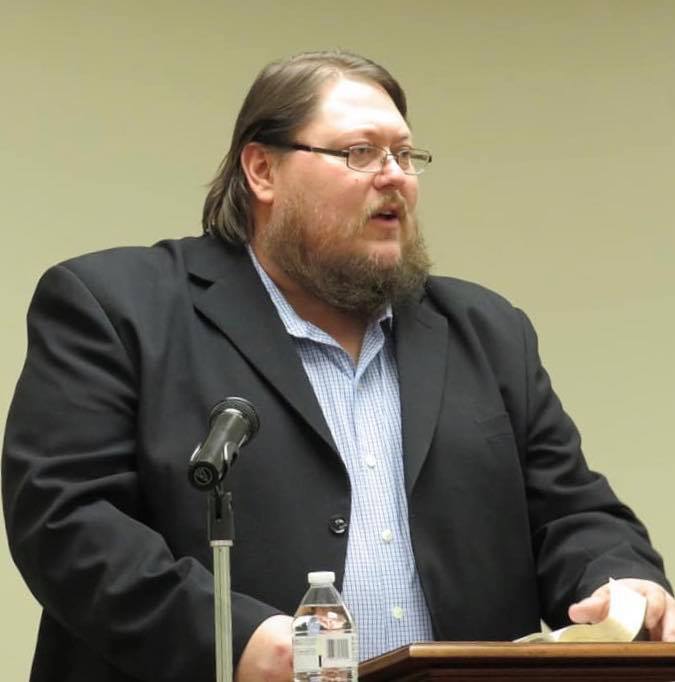
In the sermon "True and False Worship Pt 2," Mikal Smith addresses the theological concept of worship, emphasizing its nature as an act of reverence toward God that integrates both spirit and truth. He explores John 4:19-24, where Jesus teaches the Samaritan woman about the transformation of worship from location-based ceremonies to a more profound spiritual engagement. Smith asserts that worship must not only evoke emotional responses but also be rooted in doctrinal truth, emphasizing a necessary balance between personal and corporate worship. The practical significance of this teaching lies in its call for believers to recognize that genuine worship is commanded by God as an acknowledgment of His glory and authority, highlighting a critical distinction between true and false worshipers.
“Worship is an act or a reverence to God... it causes us to extol Him and lift praises to Him.”
“True worshipers shall worship the Father in spirit and in truth.”
“It's not about coming and us all having a good feeling... If there's no truth being shared, then we've really not worshiped according to Jesus.”
“Whenever two or three are gathered in my name, I am there in the midst.”
The Bible teaches that true worship must be done in spirit and truth (John 4:24).
John 4:24, 1 Chronicles 16:25-29
Worship is commanded by God because He is due all glory and honor as the Creator (1 Chronicles 16:28-29).
1 Chronicles 16:28-29, Romans 1:18-23
Worship in spirit and truth ensures that our praise is both heartfelt and doctrinally sound (John 4:24).
John 4:24, 1 John 4:1
Auto-generated transcript • May contain errors

Comments
Your comment has been submitted and is awaiting moderation. Once approved, it will appear on this page.
Be the first to comment!