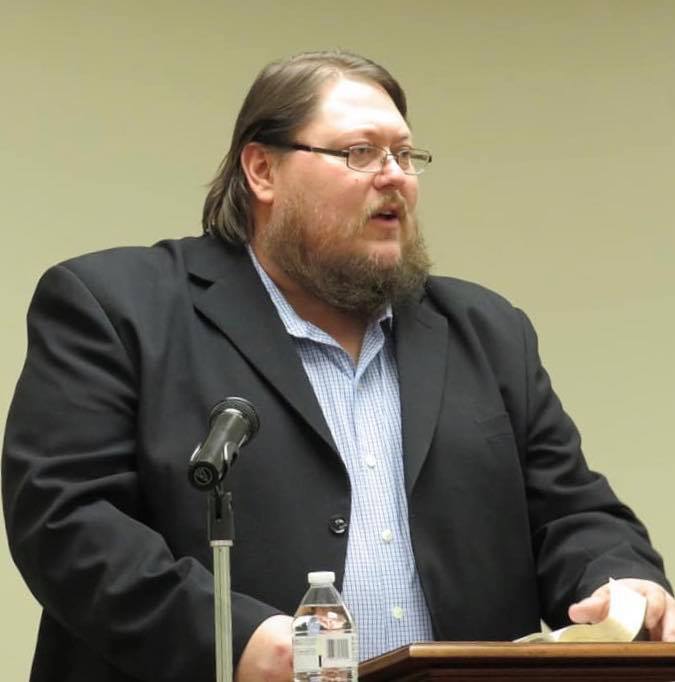
In this sermon titled "Preservation of the Saints Pt5," Mikal Smith addresses the Reformed doctrine of the perseverance of the saints, emphasizing that true believers will be preserved by God in their salvation. He argues that this preservation is grounded in the eternal union believers have with Christ, which is not initiated by human action but is an act of divine grace. Smith supports his points with various Scripture references, notably Romans 4, where he describes how blessed is the person whose sins are not counted against them (Romans 4:8), affirming that true salvation is a permanent state bestowed by God. He highlights the practical implications of this doctrine, offering believers assurance that despite their struggles and sins, their salvation remains secure through Christ's finished work, alleviating the anxiety associated with performance-based faith.
Key Quotes
“Our union with Christ is an eternal union, and because that's an eternal union, just like this stanza in this psalm says, it should never break.”
“The reason that we persevere is because we are being preserved by God. He's the one who is doing that work in us.”
“If eternal is eternal, then when did it begin and when does it end? And if you've been given it by God, who can take it away?”
“We need to hear that gospel over and over and over again because it reminds us of what Christ has done.”
The Bible affirms that God preserves His saints, ensuring their perseverance in faith.
The preservation of the saints is a fundamental doctrine in Reformed theology, emphasizing that true believers are upheld by God in their faith and cannot lose their salvation. Romans 8:17 states that if we are children of God, then we are heirs of God and joint heirs with Christ. This inheritance is secure and irrevocable because it rests on God's promise, not human performance. In John 14:19, it is affirmed that because Christ lives, we shall live also, highlighting that our union with Him is both eternal and unbreakable.
Moreover, the perseverance of the saints can be understood as two sides of the same coin: while believers are called to persevere, they do so because God is preserving them. Philippians 1:6 reminds us that He who began a good work in us will carry it on to completion until the day of Christ Jesus. Consequently, salvation is not merely a one-time event based on our actions but a continuous work of God in us, demonstrating that His grace is sufficient and His promises are sure.
Eternal security is affirmed by scriptural promises that believers will not be lost.
Eternal security is a critical component of sovereign grace theology, rooted in God's unchangeable nature and the assurances found in Scripture. For example, Romans 11:29 states that the gifts and callings of God are without repentance, indicating that once God grants salvation, He does not take it back. This gift of eternal life, as proclaimed in Romans 6:23, is eternal, meaning it cannot cease to exist.
Hebrews 10:14 also reassures us that by one offering, Christ has perfected forever those who are sanctified. This promises that if we have truly been called and justified by God, our standing before Him is secure for all eternity. God's faithfulness, not our ability to maintain our salvation, is the foundation of our security, providing assurance that believers will be kept in their faith through divine preservation.
Understanding perseverance gives assurance and strengthens faith in God's faithfulness.
The concept of perseverance is crucial for Christians as it provides assurance of salvation and affirms God's ongoing work in their lives. Many struggle with doubts and fears regarding their salvation, often looking to their efforts rather than Christ's finished work. Understanding that our perseverance is rooted in God's preservation shifts the focus from self-reliance to reliance on Christ alone.
Furthermore, recognizing that true believers will persevere helps to encourage faithfulness in the Christian life. As seen in Philippians 2:12-13, we are called to work out our salvation with fear and trembling, knowing that it is God who works in us to will and to act according to His good purpose. This understanding cultivates a sense of peace and purposeful living, as Christians can trust God to sustain them throughout their journey, even when faced with trials or failures.
Comments
Your comment has been submitted and is awaiting moderation. Once approved, it will appear on this page.
Be the first to comment!
