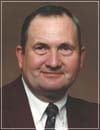
The sermon "When God Calls" by Carroll Poole centers on the theological doctrine of God's effectual calling as illustrated through the narrative of Ruth 1:1-17. Poole argues that God's sovereign grace orchestrates every event, including Elimelech's decision to go to Moab during a time of famine, positioning Ruth to be brought into the lineage of Christ. He highlights the phrase "it came to pass" as a testament to God's ordained plan, asserting that God's calling is irreversible and creates a change of heart in the believer, enabling them to respond faithfully to Him. The practical significance lies in the assurance that God's calling is not a mere invitation but a transformative event that irrevocably alters a person's life and relationship with God, showcasing the Reformed doctrine of irresistible grace.
“When God calls, it's effectual. It's a heavenly calling. It's a holy calling. Changes everything.”
“The effectual call of God's grace is not an invitation you can and will refuse... It is a powerful, effectual, irresistible, irreversible, life-changing, God-honoring call.”
“When God calls, the new never wears off. He don't quit calling and you don't quit coming.”
“This is God talking in Ruth's heart. This is heart given her by the Lord. This is sovereign grace that one belonging to a people like the Moabites could embrace the living God of Israel.”
The Bible teaches that God's call is effectual and irresistible, drawing individuals from sin to Himself.
John 6:44, Romans 8:30
Sovereign grace is validated through scripture, illustrating God's unchanging purpose and action in salvation.
Ephesians 1:11, Romans 8:28-30
Understanding God's sovereignty is essential for recognizing His control over all aspects of life and salvation.
Isaiah 46:10, Romans 8:28
Auto-generated transcript • May contain errors

Comments
Your comment has been submitted and is awaiting moderation. Once approved, it will appear on this page.
Be the first to comment!