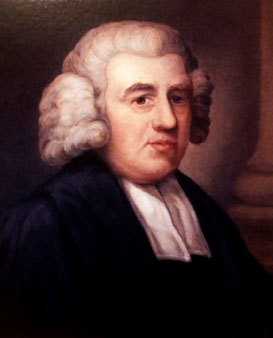
John Newton expounds on Christ's incarnational sympathy as the merciful High Priest who, through assuming human nature (Hebrews 2:17), possesses both divine authority and genuine human compassion for His people. Beyond merely knowing suffering intellectually, Christ exercises experiential sympathy having endured temptation, pain, and death Himself, enabling believers to have fellowship with Him in their afflictions while trusting His wise providence. Newton emphasizes that Christ's tender care and almighty power sustain His suffering people through trials—He disciplines those He loves not from cruelty but from wisdom aimed at their sanctification and ultimate good.
What does the Bible say about Jesus as our High Priest?
The Bible describes Jesus as a merciful and faithful High Priest who identifies with our sufferings (Hebrews 2:17).
Hebrews 2:17
How do we know Jesus understands our suffering?
Jesus understands our suffering because he experienced the struggles and pains of humanity during his time on Earth.
Hebrews 2:17
Why is it important for Christians to know Jesus cares for them?
It reassures Christians that their problems are tenderly understood and managed by a wise and compassionate Savior.
Psalm 56:8, Hebrews 2:17
Wherefore in all things it behoved him to be made like unto his brethren, that he might be a merciful and faithful high priest in things pertaining to God, to make reconciliation for the sins of the people. - Hebrews 2:17
It is a comfortable consideration, that he with whom we have to do, our great High Priest, who once put away our sins by the sacrifice of himself, and now for ever appears in the presence of God for us, is not only possessed of sovereign authority and infinite power, but wears our very nature, and feels and exercises in the highest degree those tendernesses and commiserations, which I conceive are essential to humanity in its perfect state.
The whole history of his wonderful life is full of inimitable instances of this kind. His bowels were moved before his arm was exerted: he condescended to mingle tears with mourners, and wept over distresses which he intended to relieve. He is still the same in his exalted state; compassions dwell within his heart. In a way inconceivable to us, but consistent with his supreme dignity and perfection of happiness and glory, he still feels for his people. When Saul persecuted the members upon earth, the Head complained from heaven; and sooner shall the most tender mother sit insensible and inattentive to the cries and wants of her infant, than the Lord Jesus be an unconcerned spectator of his suffering children. No, with the eye, and the ear, and the heart of a friend, he attends to their sorrows; he counts their sighs, puts their tears in his bottle; and when our spirits are overwhelmed within us, he knows our path, and adjusts the time, the measure of our trials, and every thing that is necessary for our present support and seasonable deliverance, with the same unerring wisdom and accuracy as he weighed the mountains in scales and hills in a balance, and meted out the heavens with a span.
Still more, besides his benevolent, he has an experimental, sympathy. He knows our sorrows, not merely as he knows all things, but as one who has been in our situation, and who, though without sin himself, endured when upon earth inexpressibly more for us than he will ever lay upon us. He has sanctified poverty, pain, disgrace, temptation, and death, by passing through these states: and in whatever states his people are, they may by faith have fellowship with him in their sufferings, and he will by sympathy and love have fellowship and interest with them in theirs. What then shall we fear, or of what shall we complain; when all our concerns are written upon his heart, and their management, to the very hairs of our head, are under his care and providence; when he pities us more than we can do ourselves, and has engaged his almighty power to sustain and relieve us?
However, as he is tender, he is wise also: he loves us, but especially with regard to our best interests. If there were not something in our hearts and our situation that required discipline and medicine, he so delights in our prosperity, that we should never be in heaviness. The innumerable comforts and mercies with which he enriches even those we call darker days, are sufficient proofs that he does not willingly grieve us: but when he sees a need-be for chastisement, he will not withhold it because he loves us; on the contrary, that is the very reason why he afflicts. He will put his silver into the fire to purify it; but he sits by the furnace as a refiner, to direct the process, and to secure the end he has in view, that we may neither suffer too much nor suffer in vain.

Comments
Your comment has been submitted and is awaiting moderation. Once approved, it will appear on this page.
Be the first to comment!