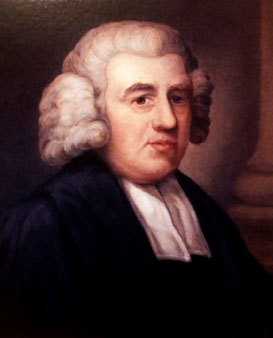
John Newton warns against spiritual pride as a principal cause of spiritual decline, arguing that self-admiration regarding knowledge, gifts, or grace endangers believers and invites God's resistance according to James 4:6 and Luke 14:11. He identifies a particularly insidious form of pride among professing Christians—those who boast in gospel blessings while claiming to be sinners deserving nothing—pointing to Paul's thorn in the flesh (2 Corinthians 12:7) as necessary correction against spiritual exaltation. Newton specifically addresses ministers who secretly indulge in self-applause while preaching, cautioning that such pride constitutes "high treason" against Christ and inevitably produces doctrinal error, misconduct, and loss of spiritual influence.
What does the Bible say about spiritual pride?
The Bible warns against spiritual pride, stating that God resists the proud but gives grace to the humble (James 4:6).
Isaiah 23:9, James 4:6
How do we know humility is important in Christianity?
Humility is essential in Christianity because it allows believers to recognize that all they have is received from God, leading to true dependence on Him.
Romans 12:3, Philippians 2:5-7
Why is self-admiration considered sinful in Christianity?
Self-admiration is sinful because it breeds pride and distracts from the acknowledgment of God’s grace in our lives.
James 1:17, 1 Corinthians 15:10, 2 Corinthians 12:7-10
How does pride affect spiritual growth?
Pride hinders spiritual growth by causing believers to rely on themselves instead of depending on God’s grace.
Proverbs 16:18, 1 Peter 5:6
"The LORD of hosts hath purposed it, to stain the pride of all glory, and to bring into contempt all the honourable of the earth." - Isaiah 23:9
Among the many general causes of decline in grace, we may assign a principal place to spiritual pride and self-admiration. If our attainments in knowledge and giftedness, and even in grace — seduce us into a good opinion of ourselves, as if we were wise and good — we are already ensnared, in danger of falling every step we take, of mistaking the right path, and proceeding from bad to worse — without a power of correcting or even of discovering our deviations! That is — unless and until the Lord mercifully interposes, by restoring us to a spirit of humility, and dependence upon Himself. For God, who gives more grace to the humble — resists the proud! He beholds them with abhorrence — in proportion to the degree in which they admire themselves! It is the invariable law of His kingdom, that everyone who exalts himself — shall be abased!
True Christians, through the remaining evil of their hearts, and the subtle temptations of their enemy, are liable, not only to the workings of that pride which is common to our fallen nature — but to a certain kind of pride, which, though the most absurd and intolerable in any person — can only be found among those who make profession of the gospel. We have nothing but what we have received, and therefore to be proud of our titles, wealth, knowledge, success, or any temporal advantages by which the providence of God has distinguished us — is downright sinful! For those who confess themselves to be 'sinners', and therefore deserving of nothing but misery and wrath — to be proud of those peculiar blessings which are derived from the gospel of God's grace — is a wickedness of which even the demons are not capable of!
The apostle Paul was so aware of his danger of being exalted above measure, through the abundant revelations and peculiar favors which the Lord had afforded him — that he says, "There was given me a messenger of Satan to buffet me." He speaks of this sharp trial as a great mercy, because he saw that it was necessary, and designed to keep him humble and attentive to his own weakness.
Ministers who are honored with singular abilities and success, have great need of watchfulness and prayer on this account! Simple-hearted hearers are apt to admire their favorite preacher — taking it for granted that he is deeply affected himself with the truths, which, with so much apparent liberty and power — he proposes to them. While, perhaps — the poor worm is secretly indulging self-applause, and pleasing himself with the numbers and attention of those who hang upon his words!
Perhaps such thoughts will occasionally rise in the minds of the best ministers; but, if they are allowed, if they become habitual, and enter strongly into the idea he forms of his own importance; and if, while he professes to preach Jesus Christ — he is preaching himself, and seeking his own glory — he is guilty of high treason against the Majesty of Him in whose name he speaks! And sooner or later, the effects of his pride will be visible and noticed. Doctrinal errors, gross misconduct, an abatement of zeal, of gifts, of influence — are evils always to be dreaded, when spiritual pride has gained an ascendancy, whether in public or in private life.

Comments
Your comment has been submitted and is awaiting moderation. Once approved, it will appear on this page.
Be the first to comment!