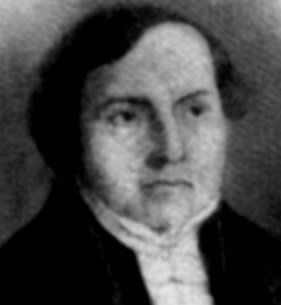
In the article "Jacob's Escape From the Vengeance of the Canaanites, on the Murder of the Shechemites by His Sons," Alexander Carson examines the theological implications of God's providence and the moral failures of Jacob’s sons. The central argument posits that while the sons acted out of vengeful retaliation, their actions revealed a significant disregard for their safety and the divine law. Carson references the sovereignty of God over the hearts and fears of nations, illustrating that God's protection over Jacob and his family was not based on their righteousness but on His unchanging character (Psalm 46:1-3). The practical significance lies in understanding that God's providential governance overrides human sinfulness, offering assurance that He sovereignly guards His people even in their failures and amidst threats from the world. This emphasizes the Reformed doctrine of God’s sovereignty and providential care for those He has chosen.
Key Quotes
“It is evident they thought of nothing but of gratifying their revenge. They were blinded by the fury of their wrath.”
“Instead of delivering through the hands of men he acts by his Providence on the minds of the affected nations and fills them with the fear of the family of Jacob.”
“The enemies of God's people may rule but God rules the rulers.”
“Though the people of God are in all things in which the authority of their Master does not interfere to obey the rulers of this world... they are in the smallest matters as well as the greatest under the sovereign care of Him who rules the world.”
What does the Bible say about divine providence?
Divine providence is God's sovereign guidance and control over all creation, ensuring that His purposes are fulfilled.
The story of Jacob highlights how, although human beings can act out of unrighteous motives, God's purposes prevail. Even when Jacob's sons sought vengeance, God instilled fear in their enemies, preventing them from seeking retribution. This demonstrates that God, the Ruler of the world, has the power to turn the hearts of men, making them instruments of His will, whether they realize it or not. Hence, we see that God is not distant but actively working to protect and deliver His people, embodying His sovereignty and providential care in every circumstance, no matter how dire it may seem.
Romans 8:28-30, Psalm 115:3
How do we know God's sovereignty is true?
God's sovereignty is affirmed in Scripture, showing His ultimate authority over all creation and events.
In biblical history, God's sovereignty is evidenced through the rise and fall of nations, the unfolding of redemptive history, and His control over the details of individual lives. The providential care God exercised over Jacob and the fear instilled in neighboring nations illustrate that God's sovereignty often operates without direct human intervention. Instead of relying on their own strength, God's people can trust that He is working all things together for good, ensuring His purposes are accomplished in ways that often defy human understanding. This truth is not only a theological tenet but also a profound comfort to believers, showing that they are never outside of God's sovereign care and guidance.
Ephesians 1:11, Proverbs 21:1
Why is trusting in God's providence important for Christians?
Trusting in God's providence allows Christians to find peace and hope, knowing He is in control of all situations.
Additionally, understanding divine providence encourages Christians to respond to challenges with faith and patience, rather than fear or despair. Knowing that God's sovereignty governs not only the universe but also individual lives, believers can approach life's uncertainties with confidence, trusting that God shapes every situation for His glory and their benefit. This doctrine fosters a deep sense of security, inspiring believers to live in obedience to God's commands, even when facing adversities. It highlights the relational aspect of providence where God is not a distant deity but actively involved in His people's lives, nurturing a trust that enhances their relationship with Him.
Philippians 4:6-7, Isaiah 46:10
But were the sons of Jacob blind through revenge? If their thirst of blood had been ever so great, might we not expect that they would still have respect to their own safety? If they should succeed, by their abominable hypocrisy, in cutting off the people of Shechem, could they expect to escape the vengeance of the neighbouring nations? Shall a single family undertake a quarrel against a multitude of nations, among whom they reside as strangers? Had they reflected, what could they expect but destruction to themselves and to the whole house of their father? It is evident that they could not have trusted for deliverance to the God of Israel, for they who believe and trust in him also obey him. Could they thus expect safety in this enormous violation of the law of God? It is evident they thought of nothing but of gratifying their revenge. They were blinded by the fury of their wrath.
But, notwithstanding this, God did not forget his servant Jacob. Divine Providence casts a shield over him and his guilty sons. But what was the means that God saw fit to make use of on this occasion for the deliverance of Jacob? Did he order Jacob to face his adversaries in the field, promising him the victory? Often he did so with the house of Israel. But not so here. This would have had an appearance of compromising the character of the Ruler of the world. He would have appeared to be like the gods of the Greeks and Trojans, without respect to right and wrong. God, therefore, employs not the children of Israel to defend themselves on this occasion. Here his wisdom sees fit to act without human means. Instead of delivering through the hands of men, he acts, by his Providence, on the minds of the affected nations, and fills them with the fear of the family of Jacob. The family of Jacob were but a handful of people, yet the Sovereign Lord made them a terror to powerful nations. "And the terror of-God was upon the cities that were round about them, and they did not pursue after the sons of Jacob."
It is in this way that God defends and delivers his people, who are in the world as sheep in the midst of wolves. The enemies of God's people may rule, but God rules the rulers. His enemies may sit on the bench of judgment, but God presides in the court and directs the judgment. The wicked hate the righteous, but the terror of God often prevents the effects of their malice. It is this sovereign power of the Ruler of the world over the hearts of the children of men that makes man capable of civil rule. Were it not for this, no government could exist for a single month. God has appointed civil government, and his Providence supports it. All the numbers, and wisdom, and combination of men against existing powers, are generally of no avail. In one way or other, God, in his Providence, disappoints their purposes. When he sees fit to effect a revolution, the sons of Belial are always ready unconsciously to be the instruments. God does not employ his children in this vile work.
What consolation does this afford to the true children of God! It would indeed be a melancholy thing, if God would place them helpless in the power of the wicked, without himself directing and overruling the determinations and conduct of the enemies of Israel. But though the people of God are, in all things in which the authority of their Master does not interfere, to obey the rulers of this world under whom Divine Providence has placed them, yet they are, in the smallest matters as well as the greatest, under the sovereign care of Him who rules the world.

Comments
Your comment has been submitted and is awaiting moderation. Once approved, it will appear on this page.
Be the first to comment!