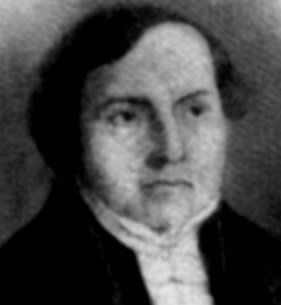
The article "The Death of Christ Providentially Accomplished" by Alexander Carson explores the interaction between divine sovereignty and human agency in the crucifixion of Jesus Christ. Carson asserts that Christ’s death was foreordained by God, involving both providential planning and the sinful actions of human agents. He emphasizes that the Scriptures, particularly Acts 2:23 and Matthew 26:14-16, illustrate this duality: Jesus was delivered up by the determined counsel of God, yet those who carried out the act did so with wicked intent. This underscores the Reformed doctrine of God's sovereignty, maintaining that while God's plans prevail, human sinfulness plays an integral role in the unfolding of divine purposes. The significance of this doctrine lies in its affirmation of God’s absolute sovereignty while maintaining the reality of human accountability, which can offer believers comfort and confidence in God’s control over history, even in the face of apparent chaos.
Key Quotes
“Christ must die by the appointed instruments; these instruments acted wickedly in what they were appointed to do.”
“An attempt to solve is not only vain but impious. It invades the prerogative of God and presumes to comprehend what is incomprehensible.”
“There is a day appointed for his judgment when vengeance will be executed on all the hard speeches which ungodly sinners have spoken against him.”
“See the blindness and the hardness of heart that man is capable of when given up to himself.”
What does the Bible say about the death of Christ?
The Bible teaches that the death of Christ was foreordained by God and accomplished through wicked hands, fulfilling divine sovereignty.
Acts 2:23
How do we know the sovereignty of God is true?
The sovereignty of God is supported by Scripture, which teaches that all events, including the death of Christ, are under His ultimate control.
Acts 2:23
Why is understanding providence important for Christians?
Understanding providence helps Christians trust in God's sovereignty and purpose in all life situations, including suffering and death.
Matthew 26:14-16
The death of Jesus was foreordained, and the instruments in sovereignty appointed. Yet they did the deed with wicked hands and a guilty mind. "Him," says Peter, "being delivered by the determinate counsel and foreknowledge of God, ye have taken, and by wicked hands have crucified and slain." These two things must be in harmony. But who can reconcile them? Presumption objects, and presumption in vain attempts a reply. Speculations on such a subject are fit only for Milton's devils. Men of God ought to abhor discussions of this kind as they do the gates of hell. What God baa said, let us confidently receive : beyond what he has said, let us not dare to inquire. Christ must die by the appointed instruments: these instruments acted wickedly in what they were appointed to do. This much is said. How these things can be so is not said, and it is vain to attempt the solution. An attempt to solve is not only vain but impious. It invades the prerogative of God, and presumes to comprehend what is incomprehensible. But the objector rages and blasphemes; and shall we do nothing to stop his mouth? Yes, stop his mouth with proving the truth by Scripture, according to the force of language. Grind him to powder if he perverts. But if he will not submit to receive what God testifies on his own authority, leave him to his blasphemy. If he blasphemes the character which God has given of himself, there is a day appointed for his judgment, when vengeance will be executed on all "the hard speeches which ungodly sinners have spoken against him."
As Jesus was to die by guilty hands, his death must be accomplished providentially. Had God commanded the Jews to kill Jesus, they would not have been guilty for executing the command. But it was to be effected by wicked counsel and by wicked hands. The chief priests, then, were given over to such folly and hardness of heart as to seek to kill him; and Judas was given over to covetousness, that he might sell him. "Then one of the twelve, called Judas Iscariot, went unto the chief priests, and said unto them, What will ye give me, and I will deliver him unto you? And they covenanted with him for thirty pieces of silver. And from that time he sought opportunity to betray him." —Matt. xxvi. 14-16. See the blindness and the hardness of heart that man is capable of when given up to himself. How senseless was it in the chief priests to suppose that they could succeed in this manner! They saw that the power of God was with Jesus, and how could they expect to succeed? And Judas—how suited to the work assigned him! —his covetousness fitted him for the betraying of his Master. There are millions of the most wicked men who would not have done what Judas did. Yet among the twelve there was a man so covetous as to sell his Master for a mere trifle. And how do all circumstances now combine to give effect to the design! The life of Jesus was often attempted, but his enemies could never succeed. Now is the appointed time, and all things concur to give effect to the design. Judas conceives the design of selling Jesus, and the chief priests bribe him. At the appointed moment he dies on Calvary.

Comments
Your comment has been submitted and is awaiting moderation. Once approved, it will appear on this page.
Be the first to comment!