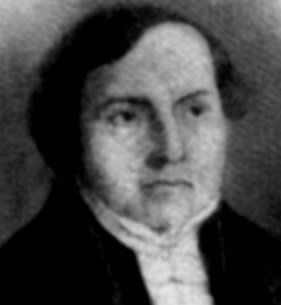
In his article "The Incestuous Man in the Church at Corinth," Alexander Carson addresses the doctrine of church discipline and the sovereignty of Christ over His church. He explores the perplexing issue of sin within the church, specifically concerning a member involved in incest, reflecting on the implications of this incident for Reformed theology. Carson argues that Christ allows such instances to illustrate human weakness and the necessity of divine intervention, citing 1 Corinthians 5:1-5 to demonstrate the church's duty to confront sin. He underscores the importance of vigilance against neglecting Christ's laws, as well as the harmful effects of inconsistency among believers, which can lead to blasphemy and disunity. The article emphasizes the doctrinal significance of maintaining church purity and the implications of Christ’s governance in ensuring such purity, aligning with Reformed principles of ecclesiology.
Key Quotes
“No church of Christ could exist in purity for a single year if left to the care of men without the care of Christ.”
“It is in the wisdom of his sovereignty that God ordains such modes of detection of enmity to himself.”
“Woe unto that man by whom they come.”
What does the Bible say about church discipline?
The Bible emphasizes the need for church discipline to maintain purity and uphold God's standards among believers.
Moreover, the necessity for discipline arises from the reality of human weakness. Without the active involvement of Christ and the power of the Holy Spirit, no church could maintain its purity. The act of discipline serves as a reminder of this weakness and as a guide for how to respond to those who fall into sin. It also underscores the obligation of believers to live in a manner consistent with their profession of faith to avoid providing opportunities for the blasphemy of God’s name.
The instance of sin within the church provides a lesson on the need for consistent vigilance and care. It highlights that Christians should not presume on their own strength, but rely upon God's grace to uphold them, ensuring they contribute positively to their community of believers.
1 Corinthians 5:1-5, Matthew 18:15-17
How do we know the sovereignty of God is true?
The sovereignty of God is demonstrated through His providence and control over all aspects of life, including church discipline.
Furthermore, we see God’s sovereignty reflected in the way He allows sin to manifest not only for the sake of discipline but also as a means for revealing the true nature of people’s hearts. Instances of failing in the church bring to light the dishonor sin does to God and serve as a warning regarding the nature of humanity’s inclination toward sin. The blasphemy of God’s name by the actions of His people calls for repentance and highlights the need for a savior, which points us back to the central narrative of salvation history.
Thus, the sovereignty of God is vital in both governance of the church and individual lives, assuring believers that nothing occurs outside of His divine plan and providence. In recognizing this truth, believers are encouraged to trust in God's overarching control, participating actively in live that reflect His holy commands.
Romans 8:28, Ephesians 1:11
Why is the church's purity important for Christians?
The church's purity is essential for maintaining the integrity of the faith and the witness of Christ in the world.
Furthermore, the church is referred to as the Bride of Christ, and its purity is crucial in fulfilling its role in God's redemptive plan. The discipline exercised within the church not only serves the purpose of correction but also exemplifies God’s desire for His people to reside in harmony with His will. The consequences of failing to maintain purity can reverberate beyond the church's walls, potentially influencing the surrounding community's perception of Christ and His message.
Ultimately, the call to purity is an invitation to cultivate a community that lives out the gospel authentically, thereby encouraging accountability among believers and fostering spiritual growth. It allows for an environment where grace and truth abound, demonstrating the transformative power of Christ to a watching world.
1 Corinthians 5:6-7, Ephesians 5:25-27
Strange! Is Jesus the ruler of his churches, and does he permit the occasion of such reproach to his cause? Why did he not prevent the admission of this man, of whom he must have been fully aware? Why did he not prevent him from falling into this sin, as he was really, from what afterwards appears, a true member of his body? Many wise purposes may be seen in this instance of the Divine sovereignty. Christ here shows us our own weakness. There is no sin to which we are constitutionally inclined, into which we could not fall, if we were not kept by the power of God through faith unto salvation. He here also shows us, that his churches are prone to neglect his laws, and to depart from his instructions. The Corinthians were already informed of their duty with respect to such offenders, else they could not have been blamed on this occasion. Hence we have the necessity for the continual care and watchfulness of Jesus over his churches. When Christians say, come and see my zeal for the Lord, they are not aware of their own weakness. No church of Christ could exist in purity for a single year, if left to the care of men, without the care of Christ. In this occurrence, also, Christ has given us a rule with respect to transgressors. Providence afforded this single example, to guide with respect to those who fall into sin in general. But there is still another purpose which this occurrence serves in the Providence of God. It gives occasion to the enemies of Christ and his cause to blaspheme. It draws forth an expression of that malignity with respect to God, which formerly existed in their hearts, but remained concealed till something presented itself that was calculated to give it utterance. This is still the case with respect to the conduct of David and Peter, and with respect to the misconduct of any of the Lord's people at present. It is in the wisdom of his sovereignty that God ordains such modes of detection of enmity to himself. Did they not hate God, instead of rejoicing in the fall of Christians, they would mourn for it. If the poorest Christian acts inconsistently with his character, it will be blazoned over the whole neighbourhood; and spoken of in circles, where, it might be thought, the name of the obscure individual could never find entrance. It is a relief to the guilty conscience. The ungodly are led to hope, that all profession is hypocrisy, and that
there is no reality in the hopes and fears of Christians.
Christians, though in God's sovereignty he may afford such occasions for the manifestation of disaffection to his character and truth, yet it is your duty to avoid giving such offence. It must be that offences come, but woe unto that man by whom they come. David gave occasion to the enemies of the Lord to blaspheme, and on that account he was involved in trouble all his after life.

Comments
Your comment has been submitted and is awaiting moderation. Once approved, it will appear on this page.
Be the first to comment!