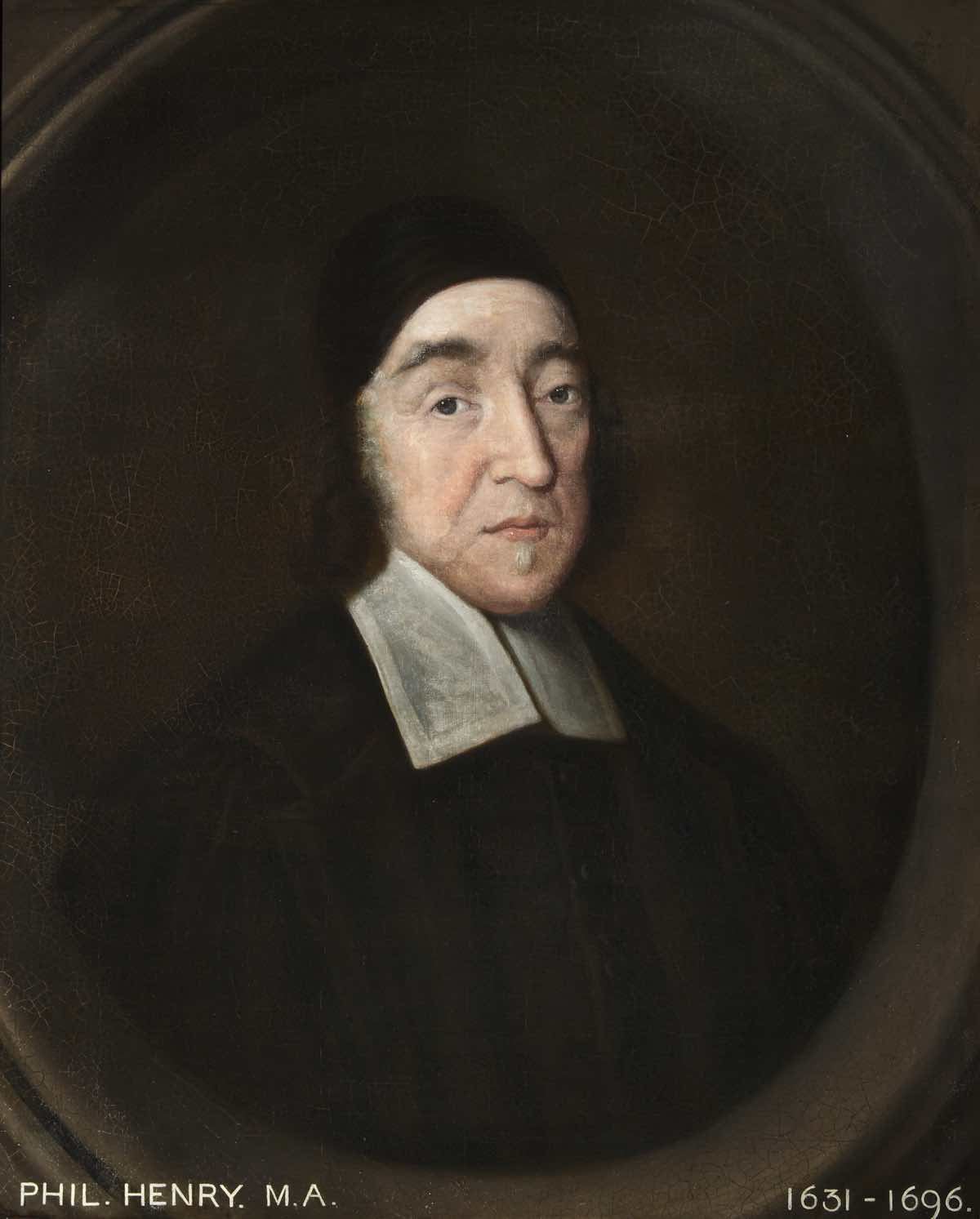
In "Claims of Divine Love," Philip Henry explores the theological significance of divine love, particularly God's unique love for His people and the appropriate response it calls forth from believers. The author argues that love is reciprocal; we ought to love God because He first loved us, as exemplified in Scripture (Deuteronomy 7:7-8, 1 John 4:19). He outlines seven responses of love that believers should embody, including sincere love for God, hatred of sin, obedience to commandments, and a commitment to love God's people. His reflection highlights that divine love is foundational to a believer's actions and relationship with God, serving as a driving force that ensures obedience and genuine affection towards others. Ultimately, Henry emphasizes that responding to God's love is vital for spiritual growth and the believer’s witness.
Key Quotes
“We love him because he first loved us.”
“Where love is there will be obedience.”
“If a man say, I love God, and hateth his brother, he is a liar.”
“We must put a good construction upon all he doth.”
What does the Bible say about God's love for us?
The Bible reveals that God's love is unique and unconditional, as demonstrated in passages like Deuteronomy 7:7-8.
Deuteronomy 7:7-8, 1 John 4:19, Romans 5:8
Why is loving God important for Christians?
Loving God is essential as it reflects His love in us and fulfills the greatest commandment.
Matthew 22:37, John 14:15, 1 John 4:19
How do we demonstrate our love for God?
We demonstrate our love for God through obedience, keeping His commandments, and loving others.
John 14:21, 1 John 4:20, 1 John 5:3
Hearken, all ye whom "our Lord Jesus Christ himself, and God, even our Father, hath loved"— loved with a singular, peculiar, special, distinguishing love. There are seven things which his love to you calls for.
1. That you love him again. We say love is the loadstone of love. It draws it out. "We love him because he first loved us." There is reason for us to love him: a good cause why: "I love the Lord," said the psalmist, "because he hath heard my voice and my supplications." Though there be none of his loving us: "The Lord did not set his love upon you, nor choose you, because ye were more in number than any people; for ye were the fewest of all people: but because the Lord loved you, and because he would keep the oath which he had sworn unto your fathers, hath the Lord brought you out with a mighty hand, and redeemed you out of the house of bondmen, from the hand of Pharaoh king of Egypt."
We should be often thinking what cause we have; and then say, O my soul, seeing there is all this cause, why dost thou not love God? He commands thee to love him. He is truly lovely; and, therefore, worthy thy love. And if these two will not do, behold he is loving also;—nay, so loving, that he is "love" itself. "God is love."
Our love to God and Jesus Christ should be, in our poor measure, like his to us.
Sincere, like his. His love to us is true love; unfeigned love. So should ours be to him: not in word and tongue, but in deed and in truth. There are flatterers of him; see Psa. lxxviii. 36. But "grace be with all them that love our Lord Jesus Christ in sincerity."
We read of some that followed Christ for loaves, not for love. They do so who look awry at secular advantages in their embracing a profession.
Strong, like his. His to us is warm love. His heart is full of it. Such should ours be to him: "Thou whom my soul loves."
Fruitful, like his. Our Lord Jesus Christ loved us, and "gave himself" for us. God, even our Father, loved us, and gave his Son for us: loved us, and hath given "everlasting consolation." Here is the fruit of his love. Now, is ours to him fruitful? What fruit doth it bear? Care to please him? Fear to offend him? Desires after him? Joy in his presence? Grief in his absence?
Firm, like his. His love to us is not a sudden passion, but an abiding affection: "Now before the feast of the passover, when Jesus knew that his hour was come that he should depart out of this world unto the Father, having loved his own which were in the world, he loved them unto the end." Such should ours be to him: "Keep yourselves in the love of God, looking for the mercy of our Lord Jesus Christ unto eternal life." He complains of Ephesus; "I have somewhat against thee, because thou hast left thy first love." "Love our Lord Jesus Christ in sincerity," in immortality. There is nothing else wherein we can do to God as he doth to us, but in loving.
2. That out of love to him ye "hate evil." By evil is meant sin, the worst of evils: the evil of evils. We must hate it: not only chide it, and be angry with it; but hate it: hate it as sin. For this reason—because God hates it. And then it will reach all sin: little as well as great: secret as well as open.
Our hatred of sin will appear to be from love to God—when we, therefore, shun it, and shun all occasions and appearances of it. For this reason, because we will not offend God: "How can I do this great wickedness, and sin against God?" When, in case we have sinned, we therefore grieve and are troubled because we have offended him: "Against thee, thee only, have I sinned, and done this evil in thy sight." "They shall look upon me whom they have pierced, and they shall mourn for him, as one mourneth for his only son, and shall be in bitterness for him, as one that is in bitterness for his firstborn." As Peter.
3. That out of love to him ye keep his commandments: "He that hath my commandments, and keepeth them, he it is that loveth me. Ye are my friends, if ye do whatsoever I command you."
Where love is there will be obedience: "The love of Christ constraineth."—As the spring in the watch constrains all the wheels to move, so doth the love of Christ the soul of the believer.
And where love constrains, the obedience will be sincere and upright—not selfish. For right ends, that we may please God, "as obedient children." It will be delightful and pleasant: "I delight to do thy will, O my God." "His commandments are not grievous." Jacob served seven years for Rachel; and they seemed unto him but a few days for the love he had to her. It will be boundless and unwearied. It will never think it can do enough. One being asked whom he labored most for, answered, for his friend. Oh, see to this, and never say thou lovest God till you labor for him: "Jesus saith to Simon Peter, Simon, son of Jonas, lovest thou me more than these? He saith unto him, Tea, Lord, thou knowest that I love thee. He saith unto him, Feed my lambs. He saith unto him again the second time, Simon, son of Jonas, lovest thou me? He saith unto him, Tea, Lord: thou knowest that I love thee. He saith unto him, Feed my sheep." Feed. Feed.
4. That out of love to him ye love all that is his, for his sake. Love his name. Dare not to take it in vain: "Thine enemies take thy name in vain." Desire above all things to have it hallowed, and lifted up, and sanctified. Love his people: "If a man say, I love God, and hateth his brother, he is a liar: for he that loveth not his brother whom he hath seen, how can he love God whom he hath not seen? Whosoever believeth that Jesus is the Christ is born of God; and every one that loveth him that begat, loveth him also that is begotten of him." The more like they are to him the more we should love them; espouse their interests; delight in their communion. Love his word. "O how love I thy law! it is my meditation all the day." Love it for its purity's sake: "Thy word is very pure, therefore thy servant loveth it." Love his day, because his: "This is the day which the Lord hath made; we will rejoice and be glad in it." "Call the sabbath a delight."
5. Out of love to him we must put a good construction upon all he doth. Love " thinketh no evil" of the person loved. It takes every thing in good part. So that whatever providences occur, it is satisfied: "What I do thou knowest not now: but thou shalt know hereafter."
6. Out of love to him we must be willing to venture all for him, if he call us thereto. He not only ventured all for us because he loved us, but parted with all, even life itself: giving us an example. And, alas! what is our poor all to his? If we love father or mother, wife, children, houses, lands, nay life more than Christ, we are not worthy of him.
7. We must love and long for his appearance and kingdom: "The Lord direct your hearts into the love of God, and into the patient waiting for Christ." There is certainly a day coming when " Christ, who is our life, shall appear." He is hid now, as it were; but then he will appear. How stand we affected to that day? Do we desire and pray for the hastening of it—for his sake? as it will be for his honour when he shall come like himself—for our own sake? as it will be for the completing of our own happiness: as the loving wife for the absent husband. "Surely I come quickly; Amen. Even so, come, Lord Jesus."

Comments
Your comment has been submitted and is awaiting moderation. Once approved, it will appear on this page.
Be the first to comment!