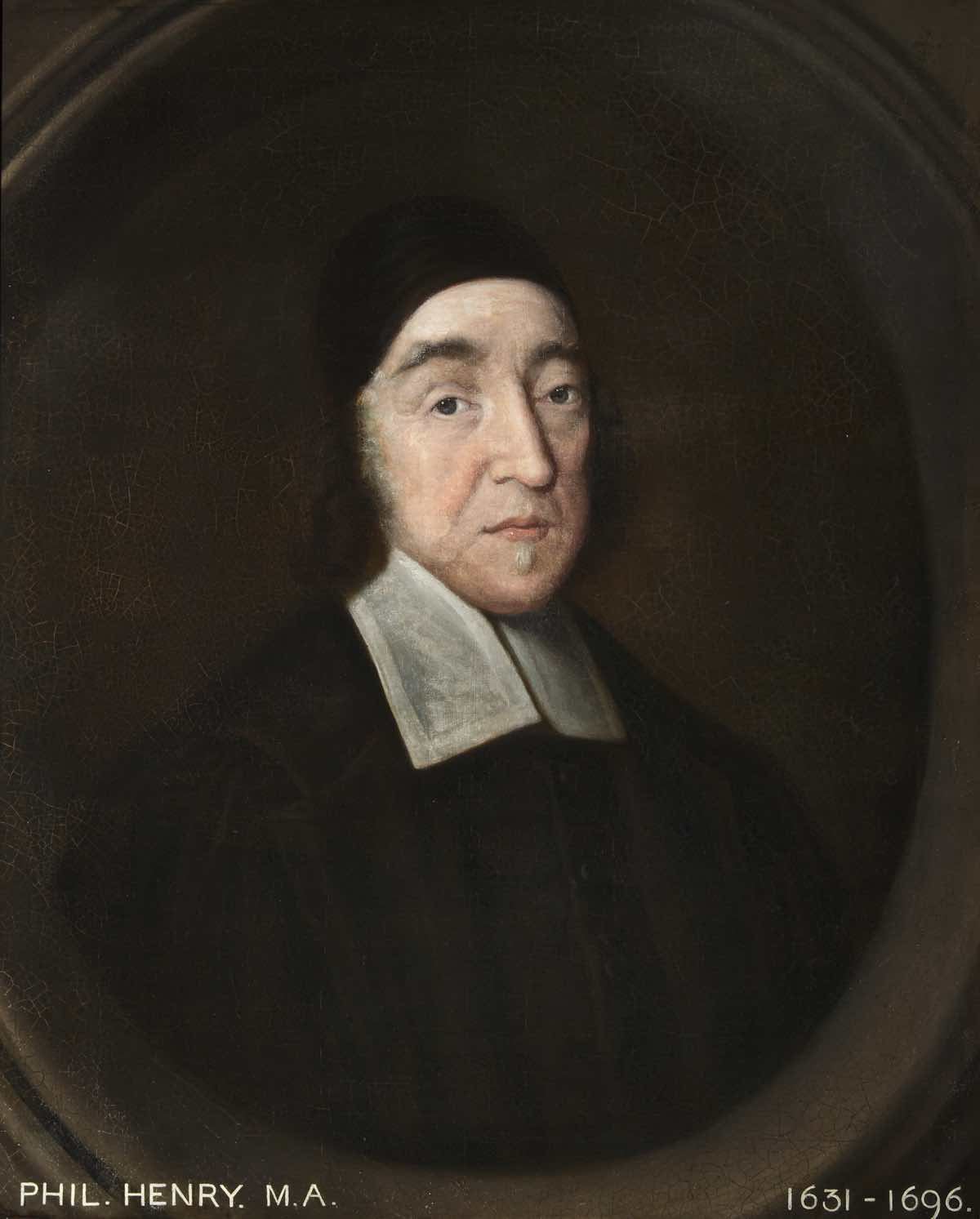
The article "Christ's Special Love" by Philip Henry focuses on the doctrine of Christ's unique love for certain believers, emphasizing that this love is tied to the believer's likeness to Christ and their growth in grace. Henry argues that Christ loves those who are most like Him, particularly those who exhibit humility, faith, and active obedience in their lives. He uses Scripture references such as Romans 8:29 to support the notion that God’s love is based on conforming to the image of Christ, highlighting examples like Abraham's faith and Job's integrity under suffering. The practical significance of this teaching is to motivate believers to strive for a deeper relationship with Christ, cultivating love and faith that conform to His character to experience His special love and enjoy greater spiritual intimacy with Him.
Key Quotes
“Likeness is the loadstone of love; All his children are like him and have his image.”
“He loves those best who love him best.”
“The more we tread in his steps, the more we shall have a place in his special and peculiar love.”
“Them that honour me I will honour.”
What does the Bible say about Christ's special love for His disciples?
The Bible indicates that Christ has a special love for those who are most like Him and show sincere love towards Him.
Romans 8:29
How do we know that Christ loves His followers uniquely?
Christ's unique love for His followers is evidenced by His intimate communion and the special grace granted to those who actively seek Him.
1 Peter 5:5, Matthew 11:29
Why is faith important for receiving Christ's special love?
Faith is crucial because it honors Christ and aligns believers with His will, resulting in a deeper experience of His love.
Romans 4:20, Hebrews 11:6
"Now there was leaning on Jesus' bosom one of his disciples, whom Jesus loved."
There are some disciples of Christ for whom he hath an extraordinary love, and whom he lays in his bosom.
The Lord Jesus will love them best that are most like him. Likeness is the loadstone of love. All his children are like him, have his "image," Rom. viii. 29. But there are some more like him than others. And those he loves with a special love. All "receive of his fulness," but some more than others. The more of his grace is in us, the more of his grace and favour there is towards us. The more we tread in his steps, the more we shall have a place in his special and peculiar love. Often reflect in your walking—Is this to do like Christ? Labor to conform yourself to him, and to his example.
He loves those best who love him best. "Would you lean on his breast? bid him welcome to lean upon your breast. He begins in love to us: "We love him because he first loved us." But the manifestations of his love are grounded upon the growth and increase of our love to him. See that your love to Christ be not only sincere, but fervent: not only true, but faithful. Where there is true love there are desires after union. Judge of your love by your desires. According as the love is weak or strong so will the desires be. If the love be warm, the desires will be warm. Now, where the Lord Jesus sees true desires of his presence, there will he throw open his bosom.—Where there is true love there will also be delight in the enjoyment of him. There is no delight comparable to that which a child of God has in the enjoyment of Christ. Cursed be he that esteems all the pleasures of the world comparable to one hour's communion with Christ. There will also be grief in his absence. If he be at anytime withdrawn, oh, how restless is the soul! Why are his chariot wheels so long a coming? As the earth and plants mourn in the winter, when the sun is withdrawn: as the wife mourns in the absence of her beloved husband; so the Christian in the absence of the Saviour. And, where there is true love there will be care to please: fear to offend. How is it with you as to this? Do you care in every thing to please Christ?
He loves those best who are most meek, and humble, and lowly in their hearts. This is part of his "image." He was a meek, humble, lowly Saviour. "Learn of me," saith he, "for I am meek and lowly in heart, and you shall find rest." He "giveth grace unto the humble." "Thus saith the high and lofty One that inhabiteth eternity, whose name is Holy; I dwell in the high and holy place, with him also that is of a contrite and humble spirit, to revive the spirit of the humble, and to revive the heart of the contrite ones." "Thus saith the Lord, The heaven is my throne, and the earth is my footstool:—but to this man will I look, even to him that is poor and of a contrite spirit, and trembleth at my word." Let others look to themselves, I will look to this man. I will take care of him. Labor to be humble and lowly, for Christ loves such. The proud he "knows afar off." Paul was very low in his own eyes. He could deny himself for the salvation of souls; and the Lord Jesus loved him with an extraordinary love: inasmuch that he took him up to his bosom to the third heavens before he died, where he saw and heard unspeakable things.
He loves them most that have most faith; because he that hath most faith doth most honour and lift him up. Faith lifts up Christ, and Christ lifts up faith. Abraham was eminent for faith. He is called the " Father of the faithful." He obeyed the call of God when he called him from his kindred to go he knew not whither. When God told him he should have a son by Sarah, though he was a hundred years old, and Sarah ninety, he believed God, "staggered not at the promise." And when God bade him offer up his Isaac, the fruit of the promise, he went about it in obedience to the command. So that his faith was a very strong faith. Now for this Abraham was a special favorite of Heaven. "I know," said God, "that thou fearest me." "In blessing I will bless thee." And he called him "Abraham." In all that truly love Christ there is a faith like this. A faith to enable us to leave all near and dear relations to follow God wherever he calls us. To "hope against hope." To be willing to sacrifice our dear Isaacs. All that love Christ have true faith, and do something of these; but not all in a like degree.
Those that are most active for God and for his glory, in the place where he hath set them, Christ loves with a special love. Those who are thus active are like him. - When he was upon earth he "went about doing good." Magistrates, ministers should "shine." We may be active in our place, though we are but in a narrow sphere. The Lord Jesus will love them that love him, and are careful to manifest that love, by doing what they can for his glory. "Give all diligence" in doing this. "Be stedfast, unmoveable, always abounding in the work of the Lord." "Add" grace to grace: faith to faith: that you may lean on the breast of Christ. "Them that honour me I will honour."
He loves them that keep their integrity in times of general apostasy: that will not suffer themselves to be carried down the stream with others. These Jesus Christ hath a special care for. Caleb and Joshua brought in a true verdict of the promised land when the rest of the spies brought an ill report. And God honoured them. They were famous in their generation, and entered into Canaan. Whereas the carcasses of the rest fell "in the wilderness." In Ezek. xiv. mention is made of three famous men—Noah, Daniel, and Job—who were most likely to prevail with God. These kept their integrity in times of apostasy, and God remembered it long after. "The priests, the Levites, the sons of Zadok, that kept the charge of my sanctuary when the children of Israel went astray from me, they shall come near to me to minister unto me, and they shall stand before me to offer unto me the fat and the blood, saith the Lord God." If we would have an interest in Christ's special love we must hold fast our integrity in times of apostasy.
He loves them specially who carry themselves aright under sufferings.—Sufferings from God: in the estate—losses, crosses, disappointments; in the family—sickness, death of friends. Now, how do we carry it under these? Do we murmur and repine, and "charge God foolishly?" Or do we keep close to him, and carry it submissively towards him? Afflictions are called trials. They try what metal we are made of. Job, though greatly afflicted, carried it bravely. "The Lord gave, the Lord hath taken away; blessed be the name of the Lord." God puts a mark of honour upon him. He makes his boast of him: "Hast thou considered my servant Job, that there is none like him in the earth, a perfect and an upright man?" He was not perfect in patience, yet God accepted him, because his patience did prevail.—Sufferings for God. When we are called, to bear our testimony in bonds and imprisonments, perhaps unto death. God will especially love and honour them that suffer aright for him: "I know thy works, and where thou dwellest, even where Satan's seat is: and thou holdest fast my name, and hast not denied my faith, even in those days wherein Antipas was my faithful martyr." Not that the sufferings themselves endear us to Christ, but our gracious carriage under them: our rejoicing under them.
He has a special love for those that are good betimes: for young converts. They shall lie in Christ's bosom. Some think that was the reason of his special love to John. He was by far the youngest of the disciples. "Those that seek me early shall find me." "Thus saith the Lord God, I remember thee, the kindness of thy youth, the love of thine espousals." "All Israel shall mourn for" the children of Jeroboam, "and bury him: for he only of Jeroboam shall come to the grave, because in him there is found some good thing toward the Lord God of Israel in the house of Jeroboam." So king Josiah began betimes in religious ways. You that are young, if you will He in the bosom of Christ, set yourselves to seek and serve him. Those that are good when young, break through extraordinary difficulties and hindrances. Usually such are very good: because then their spirits are lively, and vigorous, and active. "Remember," then, "your Creator in the days of your youth," and you shall lie in Christ's bosom.
The Lord Jesus Christ hath a special love for old disciples: such as began young, and continue until old: " He taught me from my youth." Mnason was "an old disciple." David pleads with God—"Now when I am old and grayheaded, forsake me not."
What special tokens of love shall such as these have from the Lord Jesus? Or, what is it to lean on Christ's breast, to lie in his bosom?
1. He will admit them into his nearest communion. They shall be dandled on his knee. Peter, James, and John were the most intimate associates of the Lord Jesus, above the rest of the twelve. Three times we find them admitted when none else were:—To see the ruler's daughter raised; when he was transfigured in the mount; at his agony in the garden. The second admission was to fit them for the last. First they saw his glory. Then his suffering. Such are admitted into his "banqueting house:" they taste the sweetmeats. And what that is none know but those who have tasted. To the "carnal" world these are riddles and mysteries. Have not your hearts sometimes "burned within" you, so that your souls have been like "the chariots of Amminadib?" Why, that is a mark of special favour.
2. He will acquaint them with his secrets. Some of his secrets are with all them that fear him, Psalm xxv. 14. The secrets of his "covenant." But then there are the secrets of his providence. What the Lord doth, he reveals to his servants the prophets: "Shall I hide from Abraham the thing that I do?" Christ tells John, the beloved disciple, who should betray him. The bosom is the place of the secrets. The way to know things to come is not to study the stars, but to have our "conversation in heaven."
3. They shall have audience to their prayers. He will hear their prayers. Noah, Daniel, and Job were all famous for prayer. God heard them: " Go to my servant Job: him will I accept." When Abraham interceded for Sodom, God granted as long as he asked. Abraham left off first.
4. They shall have additions of grace: "To him that hath shall be given." He that hath faith, to him more faith shall be given: "There is that scattereth, and yet increaseth: and there is that withholdeth more than is meet, but it tendeth to poverty." He that hath the grace of prayer, and uses it, shall have more. As in worldly riches the way to increase them is to lay them out, and trade with them; so grace, the more it is employed the more it is improved. John, the "beloved disciple,", was full of love. He was a man made up of love, as appears by his epistles. Love is the burden in every chapter. And how came he to be so full of it? By lying on the breast of Christ, the fountain of love.
5. They shall have more abundant consolation. The Spirit of God, wherever he is, is a "Comforter." But not always alike so. Christ's favorites shall have "strong consolation:" "Enter thou into the joy of thy Lord;" see Matt, xxv. Present joy in this life. None know the sweetness of the "testimony of a good conscience" but those that experience it. It is our Master's "joy."
6. They many times have some signal token of the love of Christ at death. Sometimes in respect of the season of it, when their lives are lengthened to a "good old age." Then they are gathered "as a shock of corn in its season." This was so with Caleb, Joshua, and Moses. Sometimes he takes them away immediately before a storm. There are many instances of that. Augustine died immediately before the city, where he was, was taken. Luther just before the wars in Germany broke out. Sometimes in the circumstances of their death. They die easily, with less sickness and pain than others. Moses died at the word (Hebrew, at the mouth) of the Lord.
7. They shall have higher degrees in glory: "One star differeth from another." They that lie in Christ's bosom here shall lie there for ever.
8. Sometimes he sets a mark of honour on their posterity. David's kindness to Mephibosheth is called the kindness of God, because it is God's usual way to be kind to his people's posterity. He blessed the posterity of Abraham, Isaac, and Jacob, for their sakes. I believe many are now blessed for the sake of godly ancestors.

Comments
Your comment has been submitted and is awaiting moderation. Once approved, it will appear on this page.
Be the first to comment!