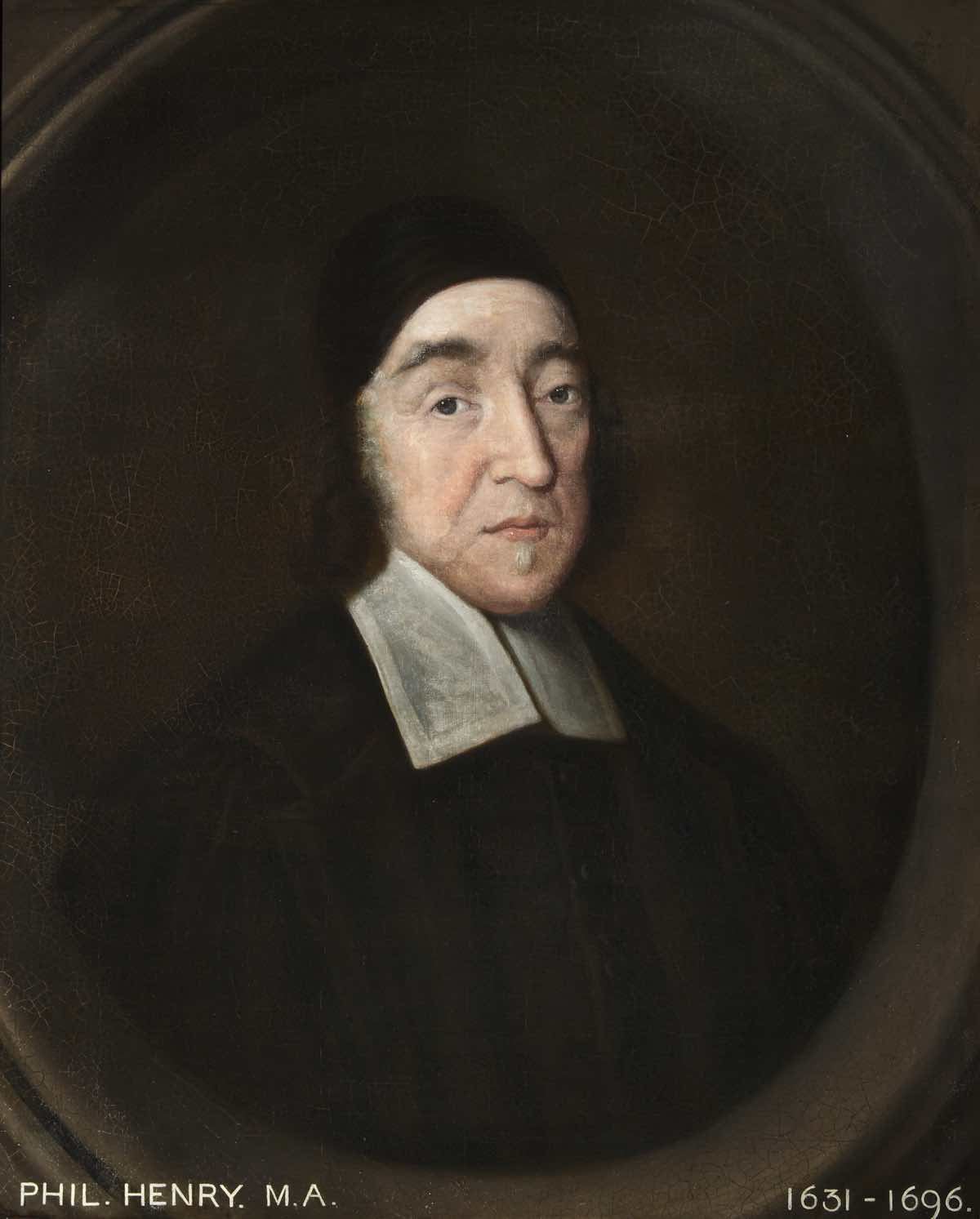
Hezekiah’s life, as analyzed by Philip Henry, illustrates key Reformed doctrines surrounding prayer, sincerity in faith, and the distinction between law and grace. The article asserts that Hezekiah’s earnest prayer, turning to the wall in solitude, exemplifies the necessity of seeking God in desperation, particularly in the face of death. Hezekiah's plea to God, highlighting his faithful living, reinforces the scriptural principle that a well-spent life serves as a potent appeal to grace, supported by passages like 2 Kings 20:2-6. The significance of this reflection on one's life lies in the assurance it offers believers of their standing before God, revealing that while our works cannot save, they testify to the authenticity of our faith.
Key Quotes
“He turned his face to the wall and prayed unto the Lord saying I beseech thee O Lord remember now how I have walked before thee in truth and with a perfect heart...”
“Reflections upon a well-spent life are a very prevailing plea with God and a very comfortable cordial to ourselves when we come to die.”
“It will not do in the law court but in the gospel court it will as an evidence that our faith in Christ's atonement is true faith.”
“None but Christ, None but Christ.”
What does the Bible say about Hezekiah's prayer?
Hezekiah's prayer demonstrates sincere communication with God, emphasizing the importance of heartfelt repentance and reliance on God in times of distress.
Matthew 6:6
Why is sincerity important for Christians?
Sincerity is crucial for Christians as it reflects genuine faith and a true relationship with God, contrasting with hypocrisy.
2 Corinthians 1:12, 1 Peter 1:22
How do we know Hezekiah's faith was genuine?
Hezekiah's faith was genuine, as evidenced by his heartfelt prayers, sincere reflections on his life, and reliance on God's mercy.
Isaiah 38:1-3, Philippians 3:8-9
"Then he turned his face to the wall, and prayed unto the Lord, saying, I beseech thee, O Lord, remember now how I have walked before thee in truth and with a perfect heart, and have done that which is good in thy sight. And Hezekiah wept sore."
Hezekiah, of whom this was spoken, was a great man, and a good man. It is not often that these two meet: "Not many noble are called." But some are. And he was one.
Observe his sickness: it was "unto death." Neither the grace in his heart, nor the crown upon his head, could protect him. And it was immediately after his victory over Sennacherib: "In those days." Soon after that great triumph came this alloy. We should learn to "rejoice with trembling."
Observe what he did under his sickness, and how he took it: "He turned his face to the wall, and prayed." For privacy sake. It was a secret prayer, and, therefore, to be made secretly, Matt. vi. 6. For the temple sake. The Jews to this day when they pray turn their faces towards Jerusalem. But Jesus Christ is our Gospel Temple. To him we must look in all our services. He prayed. Prayer is never out of season, but it is in a special manner seasonable when we are sick and come to die. Christ's last breath was praying breath. Then we take our leave of prayer for ever. Those that do not pray while they live cannot expect to be heard and accepted when they come to die. His (Hezekiah's) prayer was, "Remember now how I have walked before thee in truth," etc. It was a prayer fetched from his heart. And observe that he neither asks to be spared nor to be taken away. As the thief upon the cross —Lord, "remember me." He refers it to God whether he should live or die. But he "wept sore." It was not a dry prayer: it was steeped in tears. Some think he wept out of loathness to die, not having such clear discoveries of a future state as we have now. Others because he had no heir.
Observe the success. God heard and answered; and gave him a new lease of his life.
We learn from the prayer that reflections upon a well-spent life are a very prevailing plea with God, and a very comfortable cordial to ourselves when we come to die.
Hezekiah walked "before God," "in truth:" in opposition to guile and hypocrisy: "with a perfect heart." Not sinless perfection. The Scripture has recorded his faults. But he was perfect as it stands in opposition to dissembling, to dividing, to drawing back. It was a perfection of perseverance.
He did that which was good in the sight of God. Not that, and only that, as if he had never done anything amiss. But it was his constant aim and endeavour to do "that which is good." And we must do. It is not legal preaching to press people to do. Christ did so. We must do that which is good. Many are busy doing, who do not that which is good. And it must be in the " sight" of God. "Lord, what wilt thou have me to do?" The good thing that Hezekiah did in a special manner was the setting up of a work of reformation, teaching us that those do that which is good who mind the work of their place and station, their own work.
But how is this a prevailing plea with God? Not at the tribunal of his justice. It is no plea there, Psa. cxliii. 2. Christ only is " The Lord our righteousness."
It is, however, a good plea at the bar of grace. It will not do in the law court; but in the gospel court it will, as an evidence that our faith in Christ's atonement is true faith. Hast thou sinned? Lord, I have. Thou knowest it. And my own heart knows it. What hast thou to say why sentence must not pass? Lord, Christ hath died. But what is that to thee? I have made him mine: accepted of him for my Surety. How doth it appear that thy faith is right? By the integrity and uprightness of my walk. And so comes in Hezekiah's plea; not as my righteousness, but as an evidence that my faith is right.
How will this be a cordial? As it was to Paul: "Our rejoicing is this, the testimony of our conscience, that in simplicity and godly sincerity, not with fleshly wisdom, but by the grace of God, we have had our conversation in the world." Rejoicing is more than a cordial. A cordial stills the soul, but rejoicing stirs it. What would a man have upon a sick bed? If God please, he would desire to live. And so thou shalt if thou hast any more work to do, and it be for thy good. He would be supported under his pains.—He would see the sting of death out. —He would have good company in the darksome valley.—He would have some comfortable evidence of his title to eternal glory.
Answer this one serious question to your own conscience. What religion are you of? Are you of Hezekiah's religion, that is, sincerity? There is no religion but that. That was Paul's, "simplicity and godly sincerity." That was Nathanael's; "Behold an Israelite indeed, in whom is no guile." That which is contrary to this is the Pharisee's religion, which was all to be " seen of men."
By all means be sincere in your sorrow for sin: in your closing with Christ. Let your faith be "faith unfeigned." Let your love to Christ be "in sincerity." And being sincere, in God's name "hold fast" your sincerity. Never be otherwise than sincere. Never let go the comfort of your sincerity. Though our integrity be at the best, and in the best imperfect, yet art thou aware of the imperfection? Dost thou bewail it? But, neither your walking, nor your doing, nor your sincerity, will do without Christ: "What things," said Paul, "were gain to me, those I counted loss for Christ." None but Christ. None but Christ.

Comments
Your comment has been submitted and is awaiting moderation. Once approved, it will appear on this page.
Be the first to comment!