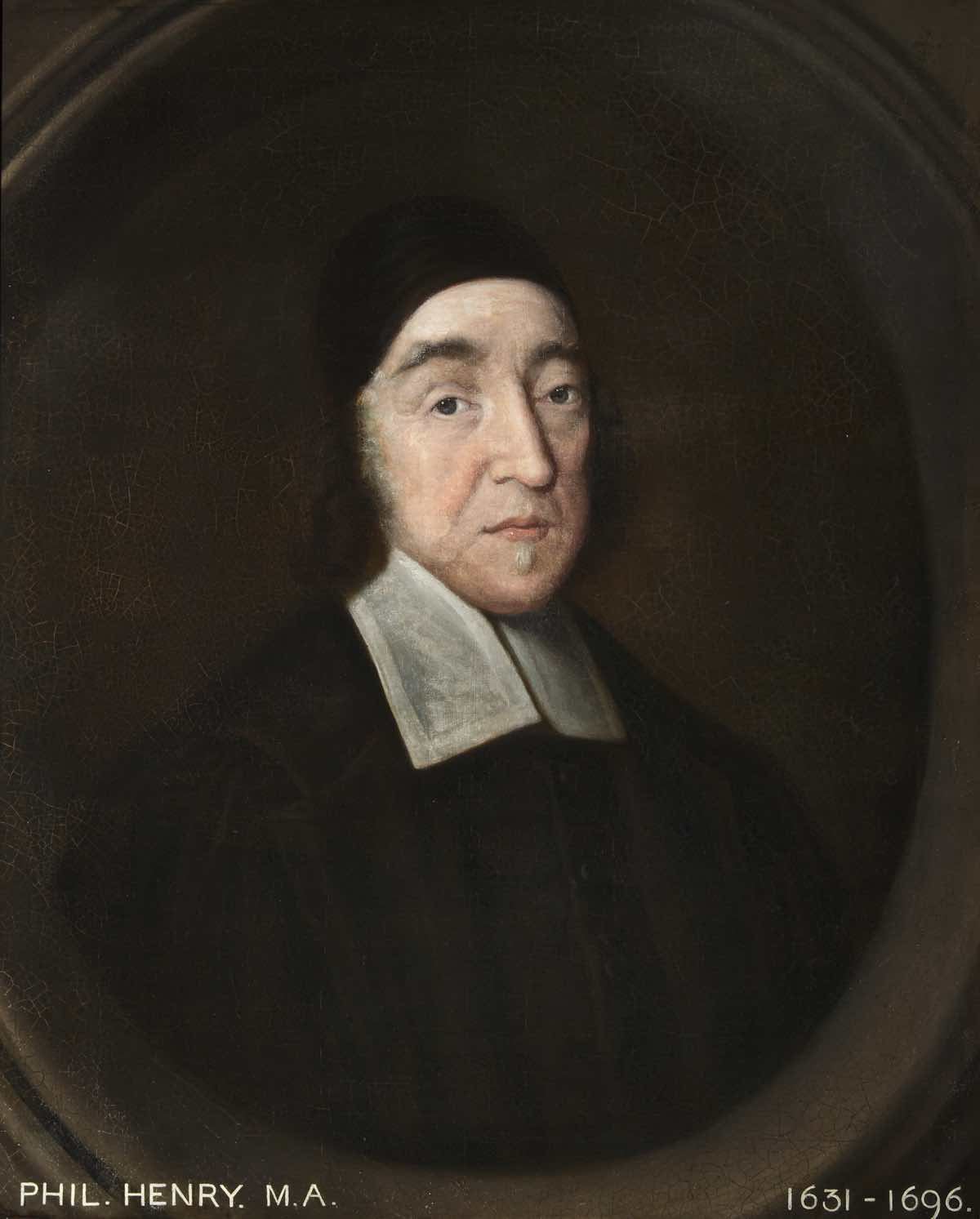
The main theological topic addressed in Philip Henry's article, "On Looking at Things Not Seen," is the significance of setting one's focus on eternal, unseen realities, particularly heaven, in contrast to temporal, earthly pursuits. Henry argues that aiming for heaven transforms one's desires and motivations, leading to a life of obedience and a quelling of envy towards those who appear prosperous in this life. He supports these points with numerous Scripture references, such as James 5:7-8, which depicts the eventual harvest as a divine reward for patience and labor, and 2 Corinthians 4:16-18, highlighting the difference between transient afflictions and eternal glory. The practical significance of this doctrine lies in its ability to bring peace amid trials, cultivate a longing for God, and propel believers towards a life characterized by holiness and diligence in serving Christ.
Key Quotes
“To look at things not seen is to make them our scope and end.”
“This world is a sea. Oh give all diligence to come off well and then the pearl is sure.”
“If God has given you a part in Christ you have little reason to envy others.”
“Look at things not seen. This is the way not to be overcome.”
What does the Bible say about looking at things not seen?
The Bible encourages believers to focus on the unseen, eternal rewards of heaven rather than temporary, earthly pleasures.
2 Corinthians 4:18, James 5:7-8
How do we know that heaven is our ultimate goal?
Heaven is our ultimate goal as it is presented as the incorruptible prize for those who faithfully run the race of faith.
1 Corinthians 9:24-25, Revelation 2:10
Why is pursuing unseen things important for Christians?
Pursuing unseen things is crucial as it aligns our hearts with God’s eternal values and lessens our attachment to materialism.
Ephesians 1:4-5, 2 Corinthians 4:16-18
To look at things not seen is to make them our scope and end. As the archer does, who makes the white the scope, the mark at which he aims: on which he fixes his eye. So to make heaven our scope is to aim at the attaining of it. This is Christian wisdom.
As the traveller does the place to which he is going. If he can, he gets the sight of it. However, he thinks of it. He sets himself in the way to it. If he comes to a turning, he inquires—Is this the way? If he meets with company going to the same place, he joins himself with them. Just thus should we make heaven our scope. We should ask the way to Zion with our " faces thitherward." The face of many, like the hypocrites, is the contrary way.
As the laborer looks at his hire. We should often look at our wages.
As the soldier looks at his pay. Our life is a warfare. Heaven is our pay. It is the reward of him that "overcometh:" "So run, that ye may obtain ;" not as one that beats the air, or fights at uncertainties, but as one that has the pay in his eye.
As a merchant, that goes a voyage long and dangerous, looks at the gain. This world is a sea. Oh, give all diligence to come off well, and then the pearl is sure.
As the racer looks at the garland: "They do it to obtain a corruptible crown, but we an incorruptible."
As the husbandman looks at the harvest, Ploughing and sowing is toilsome, but the crop will make amends, Jas. v. 7, 8. The harvest will pay for all the pains, and all the patience.
Of what advantage will this looking at unseen things be?
1. It will qualify our desires of, and pursuits after, present things. It will put the mouth out of taste for them. When he that has had his fill of sensual pleasures, that has been rich toward men, that has enjoyed the favour of great men, comes to taste spiritual pleasures; to be rich towards God; to have the favour of God, he will say—These are the best pleasures, the best riches, the best favors. The sight of things unseen made Mary, when work was to be done in the house, leave all, and seat herself at the feet of Christ.
2. It would quell and quench our envy towards those that abound in the things that are " seen." Envy is a heart sin, and little heeded. But there is great wickedness in fretting at the prosperity of others. Get a sight of things "not seen," and you will see little cause to envy sinners. There are two whole Psalms—the 37th and 73rd—written against this sin. If God has given you a part in Christ, you have little reason to envy others. If heaven be thine, why shouldst thou fret at those that have no more than earth—though never so much of it?
3. It would quicken us in all manner of gospel obedience. Godliness, indeed, has the promise of temporal things: "Trust in the Lord, and do good; so shalt thou dwell in the land, and verily thou shalt be fed." "Godliness is profitable unto all things, having promise of the life that now is, and of that which is to come." But the promise of them is with a proviso, and limitation. The promise of "things not seen" is absolute. Those will surely be for God's glory and your good. What reason have we then to "abound always in the work of the Lord;" to love him; and live to him; who has given happiness for our end, if holiness be our way. Oil the wheels of your souls then with this consideration, when they drive heavily in duty. What is yonder heaven for, yonder glorious palace? Doth it become me to drive at this rate that have a crown, such a c row, before me? Why art thou so? Oh, work as those that work for heaven: a glorious city; the streets whereof are so bespangled. Oh, say—All yonder is mine if I fear the Lord, and serve him. Up then, my soul, and be busy.
4. It would quiet our spirits under all cross providences: "For which cause we faint not," saith the apostle; "but though our outward man perish, yet the inward man is renewed day by day." "I had fainted, unless I had believed to see the goodness of the Lord in the land of the living." "Ye took joyfully the spoiling of your goods, knowing in yourselves that ye have in heaven a better and an enduring substance." Goods out of sight made them willing to part with goods in sight. When the stones were flying about Stephen's ears, and he dying in the midst of them, this encouraged him—that he saw heaven opened. This heavened the martyrs. "We shall have a sharp breakfast," one of them said; "but we shall sup with the Lamb." If we be called to part with present things—estate relations, liberty, life,—how easy is it if sure of heaven. Who would not part with a handful of sand, that was certain to have a handful of gold instead of it? Let all go. No matter. I have better things in prospect. If tempted with present good things. If it be said—Quit your profession, and here are riches and honours for you—a temptation which has overcome many;—"look at things not seen." This is the way not to be overcome. One serious cast of the eye of the soul upon this "unseen" happiness would damp the thoughts of all earthly things.

Comments
Your comment has been submitted and is awaiting moderation. Once approved, it will appear on this page.
Be the first to comment!