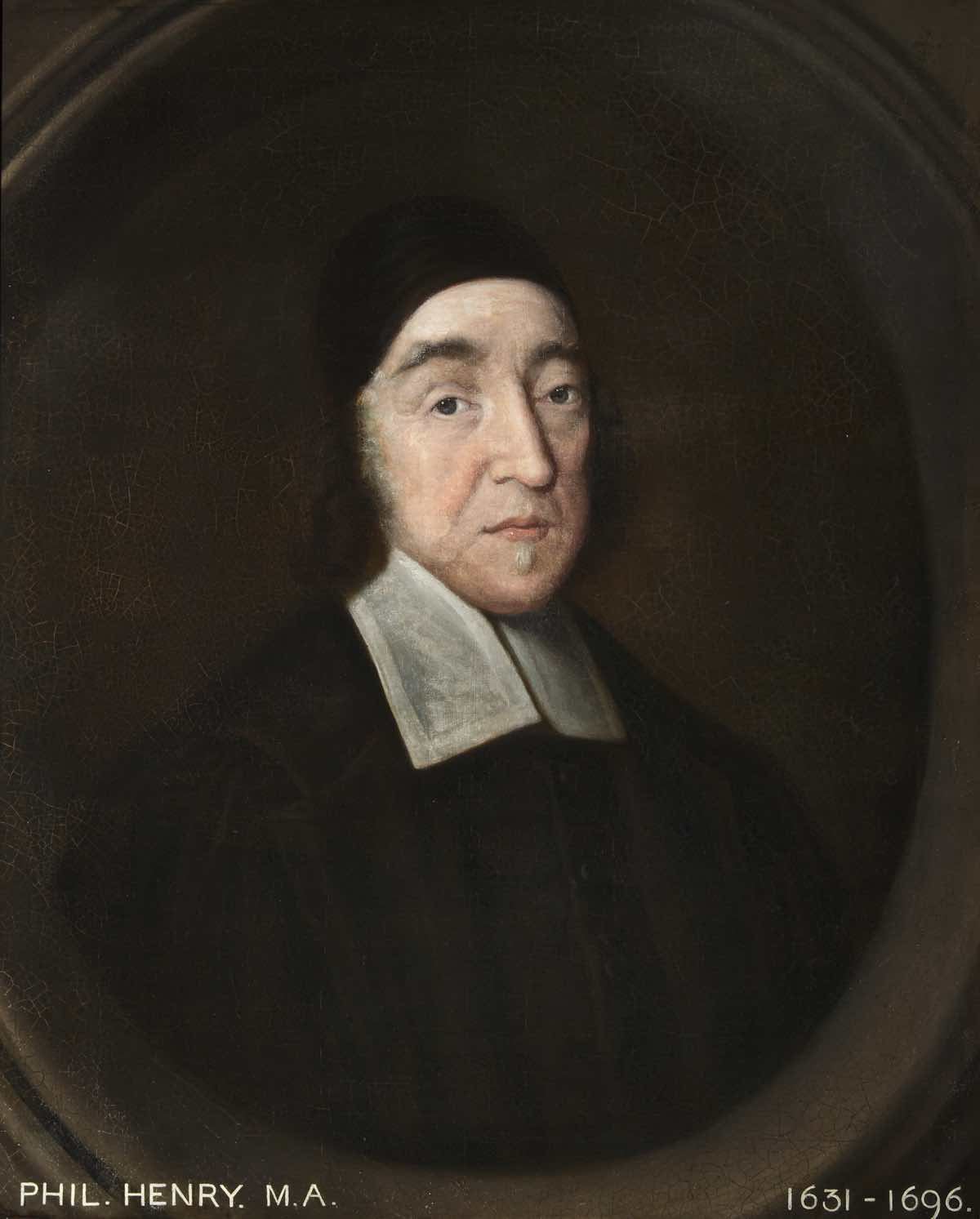
In "Young Christians," Philip Henry addresses the care of Christ for young beginners in godliness, emphasizing the tenderness with which the Lord shepherds new converts. He argues that spiritual infancy is characterized not by physical age but by a heartfelt realization of sin and a sincere commitment to Christ. The article references several Scriptures, including Isaiah 40:11, Matthew 26:40, and Zechariah 2:5, to illustrate how Christ nurtures His lambs, protects them from harm, and gently leads them in their spiritual journey. The significance of this doctrine lies in the assurance of Christ’s unwavering support for young believers, affirming that they will grow and mature in faith despite their initial frailties.
Key Quotes
“Young beginners in godliness are under the special tender care of the Lord Jesus.”
“He will not quench the smoking flax nor break the bruised reed.”
“A tender shepherd is careful how he drives his flock; ... he will not suffer others in the duties of religion to put them on beyond their strength.”
“The path of the just is as the shining light that shineth more and more unto the perfect day.”
What does the Bible say about young Christians?
The Bible teaches that young Christians, or beginners in godliness, are tenderly cared for by Jesus, who gathers them and leads them gently.
Isaiah 40:11, 2 Corinthians 5:17, Psalm 119:63
How do we know Jesus cares for young believers?
Jesus demonstrates His care for young believers by patiently nurturing them and providing them with spiritual nourishment.
Matthew 26:40, 1 Peter 5:7, Hebrews 5:12
Why is it important for young Christians to pray?
Prayer is crucial for young Christians as it demonstrates their spiritual life and dependence on God.
Acts 9:11, James 5:16
How can young Christians grow in their faith?
Young Christians can grow in their faith by engaging with God's Word, prayer, and surrounding themselves with godly influences.
Hebrews 6:1, 1 Peter 2:2, Proverbs 27:17
Young beginners in godliness are under the special, tender care of the Lord Jesus: "He shall feed his flock like a shepherd: he shall gather the lambs in his arms, and carry them in his bosom, and shall gently lead those that are with young."
Who are young beginners in godliness? Young converts. Those who have begun to set their faces heavenward. These are not always such as are young in years. Many are old in years that are babes in Christ. Such an one was Nicodemus. Usually the work of conversion is wrought when people are young: "Remember now thy Creator in the days of thy youth."
When may we reckon a man a beginner in godliness?
Such have had a heart-breaking sense of sin, else they are not beginners in godliness.
Such as have been with Christ, and closed with him, and learned him. They have been with him by a humble, hearty, sincere address; resigning their souls to him.
Such as do in good earnest set about a holy life. Till men break off from all sins, leave their wicked company, they are not beginners in godliness: "Depart from me ye evil doers." "Save yourselves from this untoward generation." And not only so. Join good company. Say, "We will go with you" Say, as David, "I am a companion of all them that fear thee." They are the "excellent of the earth."
Such as love the word of God, and prayer. The word is the "seed." It is the "milk," such as new-born babes desire. Those who can live without the word of God are not so much as babes in Christ. All that begin in godliness begin to pray. It was so with Saul: "Behold he prayeth." This was the evidence that the old persecutor was become a young convert. The crying of a child is a sign it is alive. "For this shall every one that is godly pray." The spirit of "grace and supplication" go together. Christ's lambs will cry after him.
And the Lord Jesus shows his care of them by bearing with their infirmities. Young beginners in anything are apt to miss it. But he knows their frame. He will not quench the smoking flax, nor break the bruised reed. Smoking flax. This Christ will not quench. The bruised reed he will strengthen. See an instance of this tender care in the case of his disciples. Though he chode them he did not cast them off. He encouraged them, Matt. xxvi. 40. They were sleeping when he was in his agony. He rebukes them: "What, could ye not watch?" Yet afterwards excuses for them: The "spirit is willing." See another instance in the case of Thomas, John xx. How meekly did he carry it to him: "Reach hither thy hand. Be not faithless, but believing." What love! And he has the same tenderness now he is in heaven.
He shows his care too in feeding them with food convenient. He charged Peter, "Peed my lambs." If thou wilt love me, love my lambs. He was to feed them as a minister, with the wholesome food of God's word. "Tell me,, saith the devout soul to Christ, "tell me, O thou whom my soul loveth, where thou feedest." He answers—" Go thy way, feed thy kids." Be sure to look to the young ones. It may be my remnant may be among them. I must have them looked after. And he will see that they have food convenient. There is "strong meat" for strong men in Christ; and "milk for babes." When he was on earth, feeding his flock, he taught as they were able to bear it. "I have fed you," said the apostle, like a wise under shepherd, "with milk." "Strong meat," is his language elsewhere, "belongs to them that are of full age." The Epistle to the Hebrews is the most difficult of Paul's writings, and it is the last. Christ's ministers do, or should, follow him herein.
He shows his care in driving. A tender shepherd is careful how he drives his flock. Jacob was so: "If men should overdrive them one day, all the flock will die." They are tender, and must be dealt with accordingly. And so is Christ's care. He will not, nor will he suffer others, in the duties of religion, to put them on beyond their strength; see Mark ii. 22, etc.: "No man putteth new wine into old bottles." They were yet but young beginners in godliness. The devil hath done much hurt in this matter. When he can keep people no longer, when they will look towards heaven, then he falls to overdrive them: he puts them on above and beyond their strength. But Christ considers their weakness. He proportions burdens and sufferings accordingly. While the first disciples were young beginners they were not called before kings and rulers. God will not suffer the young ones to have the strongest temptations.
The same care is shown in protecting them. He will take care of their preservation. They have many enemies. The world. The devil. But they have a tender Shepherd, who gathers them in his arms, and carries them in his bosom. He hath undertaken that not one of them "shall be lost." He hath made "a hedge about" them as he did about Job, about his house, about all round about. Nay more— a 'wall. More yet—" a wall of fire round about," Zech. ii. 5. It is an allusion to shepherds who were forced, oftentimes, to make fires about their flocks to frighten away wild beasts. Saith God —I will be that wall.
He will be sure to bring them forward in their growth and strength. They are "babes," but they shall not be so always: "The path of the just is as the shining light, that shineth more and more unto the perfect day." "I will be as the dew unto Israel: he shall grow as the lily, and cast forth his roots as Lebanon. His branches shall spread, and his beauty shall be as the olive tree, and his smell as Lebanon. They that dwell under his shadow shall return; they shall revive as the corn, and grow as the vine: the scent thereof shall be as the wine of Lebanon." What a comparison !—that the great God of heaven should compare himself to such a thing as dew.
"He shall grow as the lily"—for quickness and speedy growth. I have observed, and wondered sometimes at the speedy growth of some young beginners in godliness. It was from a shower of this blessed dew.
"As the cedar of Lebanon"—which is a strong thing.
"As the corn." The corn grows with a useful growth. First the blade. Then the ear. "Ye shall go forth, and grow up as calves of the stall"—which is quick, and speedy, and to great usefulness.

Comments
Your comment has been submitted and is awaiting moderation. Once approved, it will appear on this page.
Be the first to comment!