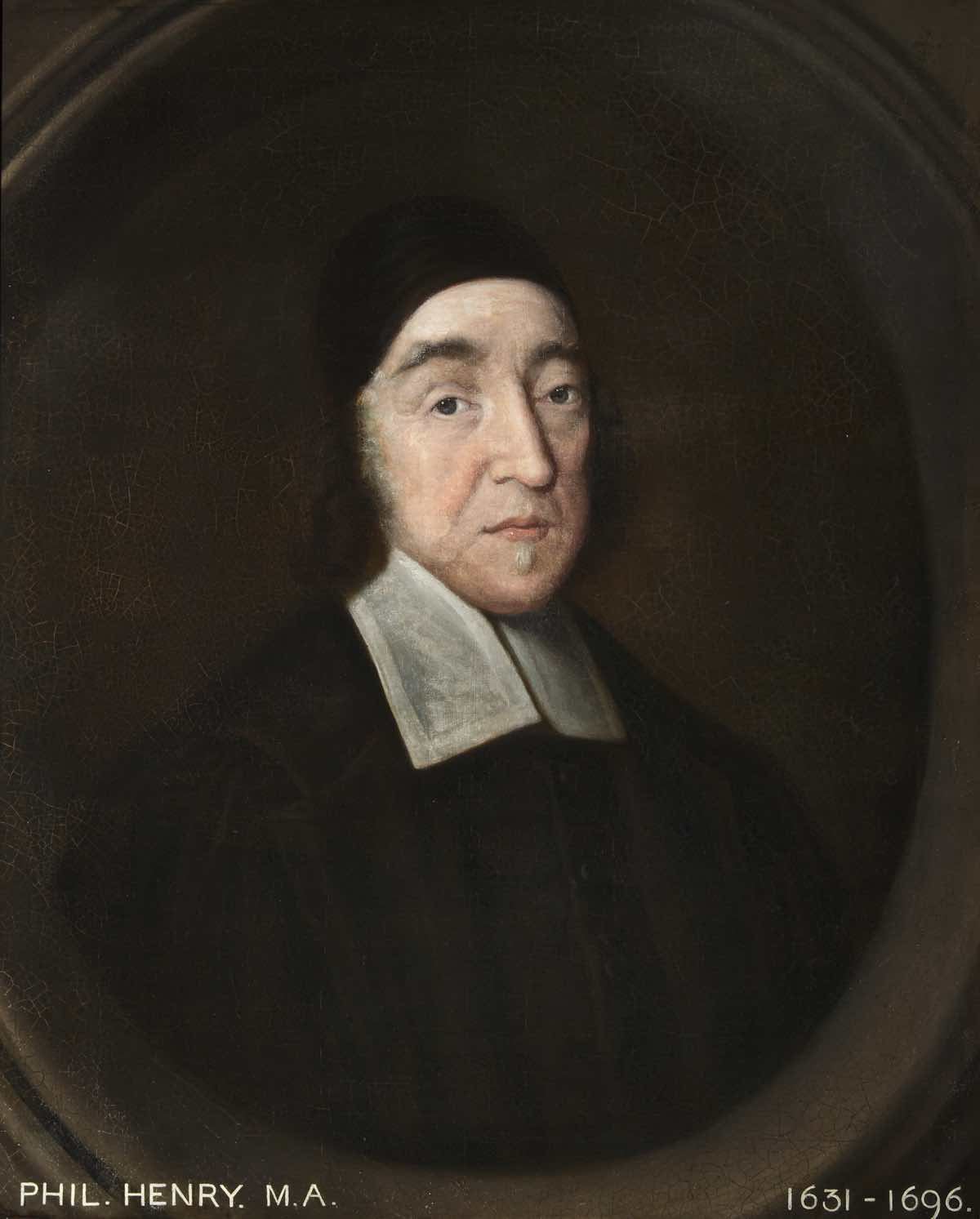
The main theological topic addressed in Philip Henry's article "Thoughtfulness" is the admonition against anxious care and the necessity of trusting in God for daily needs. Henry emphasizes that followers of Christ are called to refrain from worry about life and its provisions, supported by numerous Scripture references including Matthew 6:25-34, which teaches that life is more than earthly concerns and God provides for His creation. Key arguments include the futility of worry, the assurance of God's care, and the distinction between necessary diligence and sinful anxiety. The practical significance of this doctrine is the call to prioritize spiritual matters over worldly concerns, encouraging believers to seek God's kingdom first, thus fostering a deeper reliance on divine providence rather than self-sufficiency.
Key Quotes
“Take no thought for your life, no inward soul thought either for the comforts of life or for the continuance of life.”
“Care is duty; carefulness is sin.”
“Which of you by taking thought can add one cubit to his stature?”
“Sufficient unto the day is the evil thereof.”
What does the Bible say about worry and thoughtfulness?
The Bible instructs us to take no thought for our life, emphasizing faith in God's provision (Matthew 6:25-34).
Matthew 6:25-34, 1 Corinthians 7:32, Luke 12:29
How do we know trusting God is more beneficial than worrying?
Trusting God brings peace and signifies faith, while worrying only leads to anxiety and distraction (Philippians 4:6-7).
Philippians 4:6-7, Matthew 6:25-27
Why is it important for Christians to avoid excessive worry?
Avoiding excessive worry aligns with faith in God's provision and keeps us focused on His kingdom (Matthew 6:33).
Matthew 6:33, Matthew 6:25-26
It is the treble command of our Lord Jesus Christ to all his disciples and followers, that they should learn to " take no thought;" see Matt. vi. 25, 31, 34. So often repeated because he knew our proneness to the sin. It intimates, too, that it would be of great advantage to us to live thus, and not take thought. And further, that it would be marvellously well-pleasing to God.
We must take no thought for our life: no inward, soul thought; either for the comforts of life, or for the continuance of life: "Take no thought for the morrow." But we may and must take a thought of prudent diligence, a thought of honest care. We cannot manage our worldly affairs without it: "Be thou diligent to know the state of thy flocks, and look well to thy herds." In the 32nd of Isaiah there is a woe pronounced upon the "careless" daughters. Some shelter themselves in idleness and carelessness under the shadow of the Scripture now before us, but Christ never intended that. There is a thought which is undeniable duty.
The kinds of thought forbidden are such as these.
Covetous, greedy thoughts about temporal things: "Let your conversation be without covetousness." "Labor not to be rich." Those who most covet to be rich seldom are so. But honest diligence without covetousness usually brings riches. Be content with that food and clothing which God hath allotted you. Take what God sees good to give you, and do not take thought, or covetously desire better: "I have learned, in whatsoever state I am, therewith to be content."
Constant, abiding thoughts. So as to fill us in downlying and uprising. We should think of the world, as carnal men do of their souls and the things of God. They are flashy thoughts; they do not abide.
Perplexing, disquieting thoughts. Such as divide the mind; drawing it hither and thither as if with wild horses. Take no thought in your soul. Care is duty. Carefulness is sin, 1 Cor. vii. 32. Martha, Martha, thou art "cumbered." Thy mind is distracted; see Luke xii. "Be not of doubtful mind." Be not like meteors, or false fires, driven this way and that way by the wind. This solicitous care impairs the health of the body. It makes a man unfit for society.
Progging, proling, projecting thoughts for the morrow are forbidden: "Go to now, ye that say, To-day or to-morrow we will go into such a city, and continue there a year, and buy and sell, and get gain: whereas ye know not what shall be on the morrow." Away with such thoughts. How many of these foolish contrivances are in our minds.
Unnecessary thoughts. Christ tells us " one thing is needful." Take no thought, that is, no impertinent thought.
Unbelieving thoughts, either for our life or the morrow. We are guilty of many of these. "David said in his heart, I shall now perish one day by the hand of Saul." And it was an ill thought. Watch, and pray against such thoughts.
Unseasonable thoughts. You must not “think your own thoughts" on the sabbath day. It is unseasonable. I believe our worldly business on week-days fares the worse, oftentimes, for the thoughts we have about it on the sabbath. Herein Martha missed it. Her care was unseasonable. She should have been as Mary was—sitting at Christ's feet, hearing his word.
Now it is the will of Christ that we take no thought." This should be enough: "Be careful for nothing." He urges seven arguments against anxious, solicitous thought.
1. "The life is more than meat, and the body than raiment." You have life. You have it from God; and that without any thought. Now the life is more than meat, and the body than raiment, and God hath taken care for these—the greater—without thee. Can he not for the lesser, without thee?
2. If God take care to provide for the creatures below us, much more will he for us. Consider the fowls of the air; the lilies of the field: "They toil not." We are elsewhere sent to the ant to learn; to the ox; and the ass. Is it not come to a sad pass when man, the top of the visible creation, must be sent to school to the brutes ?" Behold the fowls of the air." They live a merry life; singing all day, and sometimes in the night too. Then as to raiment, "consider the lilies." Have you not seen their beautiful clothes? They did not spin them. Nor are they capable of taking any thought.
3. "Which of you by taking thought can add one cubit to his stature?" Here our Lord urges the vanity and fruitlessness of our care. Suppose a little man should fret and perplex himself, and take thought every day, desiring to be tall. Would that thoughtfulness add to his stature? No more will thy thoughts add one penny to thy estate.
4. "After these things do the Gentiles seek." The Jews were the "holy nation;" the "peculiar people." And shall you, the "chosen generation," do as the Gentiles, who know not God? Let me urge it to you, professing people. Will you do as the heathen do? When tempted to carking care, think, What am I? A child, or a dog? Though Israel play the harlot, let not Judah offend; see Hos. iv. 15.
5. "Tour heavenly Father knows that ye have need of all these things;" namely, food and raiment. Most of our thoughts and cares run into these. Tour heavenly Father's eye is upon you. He sees you when you have but a little corn in the barn, but little bread in the cupboard. He sees. And he is thy Father. Make thy request known to him by prayer. Have you been with God, and told him how low things are with you? He puts words into our mouths: "Give us this day our daily bread." "I sought the Lord, and he heard me, and delivered me from all my fears. They looked unto him, and were lightened: and their faces were not ashamed. This poor man cried, and the Lord heard him, and saved him out of all his troubles. The angel of the Lord encampeth round about them that fear him, and delivereth them. O taste and see that the Lord is good: blessed is the man that trusteth in him."
6. Take no thought about these things, because you have other, better things to take thought about: "Seek first the kingdom of G-od, and his righteousness:" first every day, first in your lives; and other things "shall be added." When Solomon asked a wise and understanding heart, God gave it, and riches, and honour, and long life, besides.
7. "Sufficient unto the day is the evil thereof." Each day hath a sufficient burden of care.
Consider the foregoing particulars. There are seven of them, according to the days of the week. What if you take one for every day to meditate upon. It is want of consideration that makes us inordinately thoughtful.

Comments
Your comment has been submitted and is awaiting moderation. Once approved, it will appear on this page.
Be the first to comment!