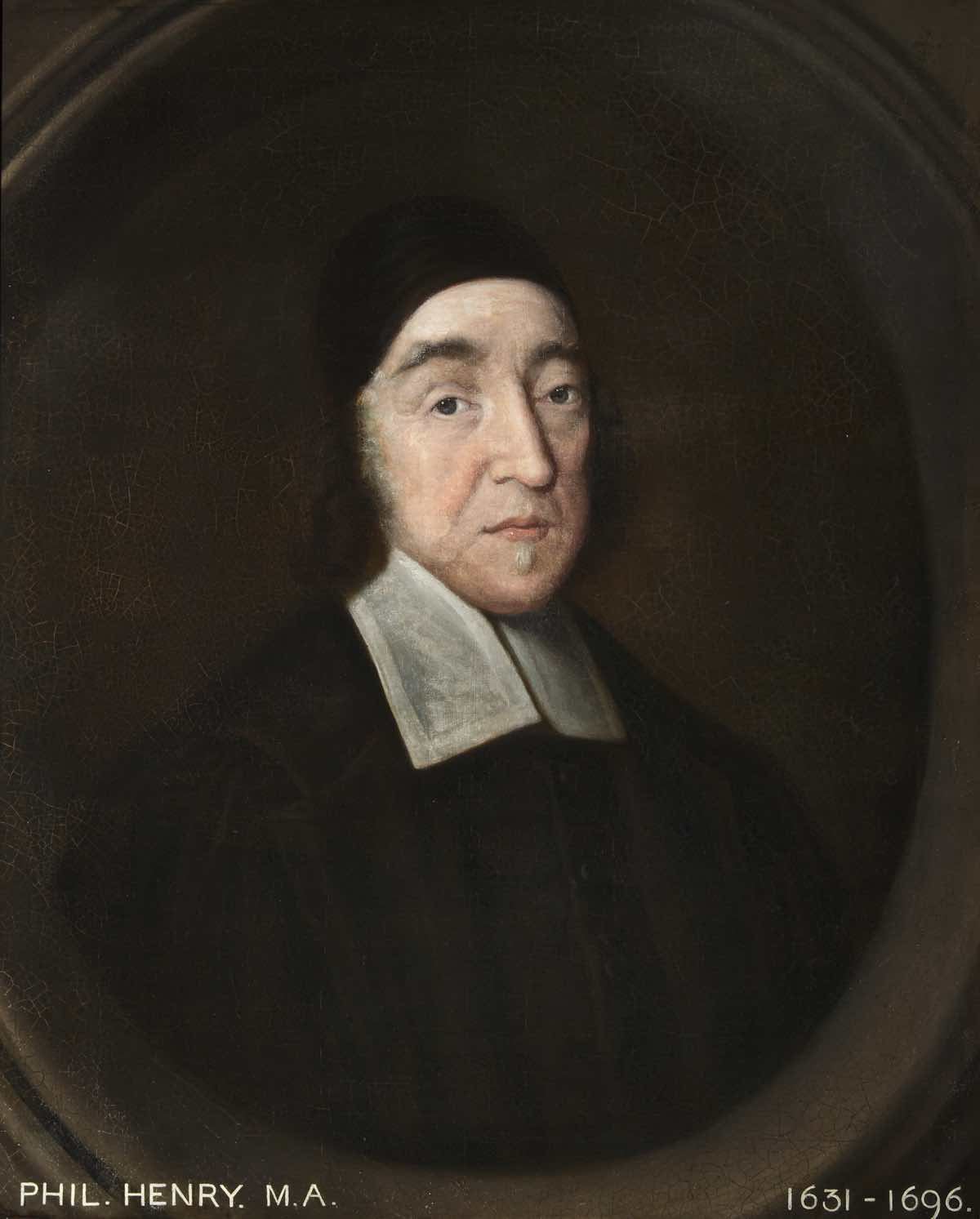
The article "Christ's Peace" by Philip Henry delves into the theological implications of the peace that Jesus Christ leaves as a legacy to believers. The author contrasts worldly peace—characterized by prosperity and the absence of trouble—with the inward peace that comes from a right relationship with God. Key Scripture references include John 14:27, where Jesus offers His peace, and Matthew 11:28, which speaks to the rest He provides to those burdened with sin. Henry emphasizes that true peace is found not in external circumstances but in the assurance of forgiveness and acceptance by God through grace. He identifies several barriers to experiencing this peace, including ignorance, lack of grace, weak faith, insufficient prayer, disobedience, and the necessity of godly sorrow, thereby highlighting the active role believers must take in pursuing this deep-rooted peace.
Key Quotes
“Peace I leave with you, my peace I give unto you, not as the world giveth, give I unto you.”
“Inward peace is when all goes well with the soul; no cloud of darkness, no storm or tempest within.”
“There are six things that are the reasons of the want of it.”
“Make me to hear the voice of joy and gladness, speak joy, and also make me to hear it.”
What does the Bible say about Christ's peace?
Christ's peace is a divine legacy given to his followers, distinct from worldly peace.
John 14:27, Philippians 4:7
How do we know Christ's peace is true?
Christ's peace is confirmed in Scripture and experienced by believers through faith.
Romans 5:1, Philippians 4:6-7
Why is inward peace important for Christians?
Inward peace is crucial for Christians as it reflects their relationship with God and allows them to endure life's challenges.
Matthew 11:28-30, Isaiah 26:3
The Lord Jesus Christ hath left and given his own "peace," as a legacy to all his disciples and followers to the world's end: "Peace I leave with you, my peace I give unto you; not as the world giveth, give I unto you. Let not your heart be troubled, neither let it be afraid."
There is outward peace: the same with worldly prosperity. No "adversary nor evil occurrent." Health. Plenty. The " candle " of God shining upon our "tabernacle; see Psa. cxliv. 12, etc. Job, xxix., describes this worldly peace. But is this the "peace" which Christ bequeathed to his? No, it is not. "In the world," said he, "ye shall have tribulation." And our experience seals the truth of it: "0 thou afflicted, tossed with tempest, and not comforted." This is the condition of the church. And is it not so as to particular persons ?" Many are the afflictions of the righteous." It is " through much tribulation" we must "enter the kingdom." Not that either the church, or particular members are always in this troublous state. The "spirit would then fail before him." God is pleased sometimes to send gleams of sunshine: "Then had the churches rest," and were "edified and multiplied." God forbid that worldly peace should be our portion.
But, there is inward peace—Peace of conscience. Satisfaction of mind and soul, arising from a sense of the pardon of our sins, and our acceptance with God. And this causes quietness and rest: "Come unto me, all ye that labor and are heavy laden, and I will give you rest." Other rest and peace is not to be compared with this. Inward peace is when all goes well with the soul. No cloud of darkness; no storm or tempest within. This is heart's ease, to have the mind comforted on good ground. It is a house built on a rock. A storm arises. Winds blow and beat. But the house is firm. The man is unshaken; his heart is "fixed;" he has inward peace. This is like a ship at anchor in a storm. It is heaven upon earth: "He shall enter into peace." To go to heaven is to do so. The peace that Christ left to his, is the beginning of peace eternal.
Whence is it that so many of Christ's own people want the benefit of this legacy F It is owing to themselves. They do not do what they should and ought to do, for obtaining it. There are six things that are the reasons of the want of it.
1. One is want of knowledge. Ignorance causes fear. You must beg the light of knowledge, in order to peace. You must know God in Christ. You must be acquainted with the covenant of grace. This must be all your "salvation." You must see that you are under grace, not under the law: "The secret of the Lord is with them that fear him: and he will show them his covenant." Beg of God to show you his covenant. To discover to you upon what terms you are by this covenant.
2. Want of grace hinders. Where there is no grace, there can be no peace. Where grace is weak, peace will be weak. Where grace is strong, peace is strong: "Grace and peace be multiplied." The Spirit is a Comforter to none to whom he hath not first been a Sanctifier: "Now our Lord Jesus Christ himself, and God, even our Father, which hath loved us, and hath given us everlasting consolation and good hope through grace, comfort your hearts." Give all diligence, therefore, to get to be "new creatures."
3. It is with us, as to peace, as it is in reference to godly sorrow: "Blessed are they that mourn; for they shall be comforted." He wounds by contrition and sorrow, and then binds up those wounds: "Come unto me, all ye that labor." "They that sow in tears shall reap in joy." That sorrow must be with an eye to Christ. They "shall be in bitterness for him." Where such godly sorrow is, there shall Christ's peace be in due time.
4. Peace is according as faith is: "Joy and peace in believing." As far as the evil heart of unbelief prevails, so far peace is wanting: "If ye will not believe, ye shall not be established." If you will believe, you shall. Believe that which
God hath promised; that if you penitently confess, he is "faithful and just" to forgive.
5. It is with us in our peace, as it is in our praying: "I create the fruit of the lips," namely praying lips. "Peace, peace to him that is far off, and to him that is near, saith the Lord." It is said of Hannah, that, after she had prayed, "her countenance was no more sad." Clouds of fear and sorrow vanished. If a legacy be left me and I want it, but it is withheld, I must sue for it. Lord, give me the legacy Christ has left me. "Make me to hear the voice of joy and gladness." Speak joy. And also make me to "hear" it. It is said of Rachel, that her soul "refused to be comforted." Beg of God to silence unbelief.
6. Our peace is as it is with our obedience. This is not to be the matter of our peace, but the evidence of it. "Peace I leave with you" —an obedient people. Guilt will wither our peace. It will be like a worm at the root of the gourd. "As many as walk according to this rule, peace be upon them." "Is it peace?" see 2 Kings ix. 18,19,22. What peace, so long as thou goest on in sinful ways? What peace, so long as you are proud? passionate? etc. God will speak peace to the saints: but "let them not turn again to folly." He reserves the sweetmeat of peace for obedient children. "Walk circumspectly," therefore, that you may keep the peace in your own souls.

Comments
Your comment has been submitted and is awaiting moderation. Once approved, it will appear on this page.
Be the first to comment!