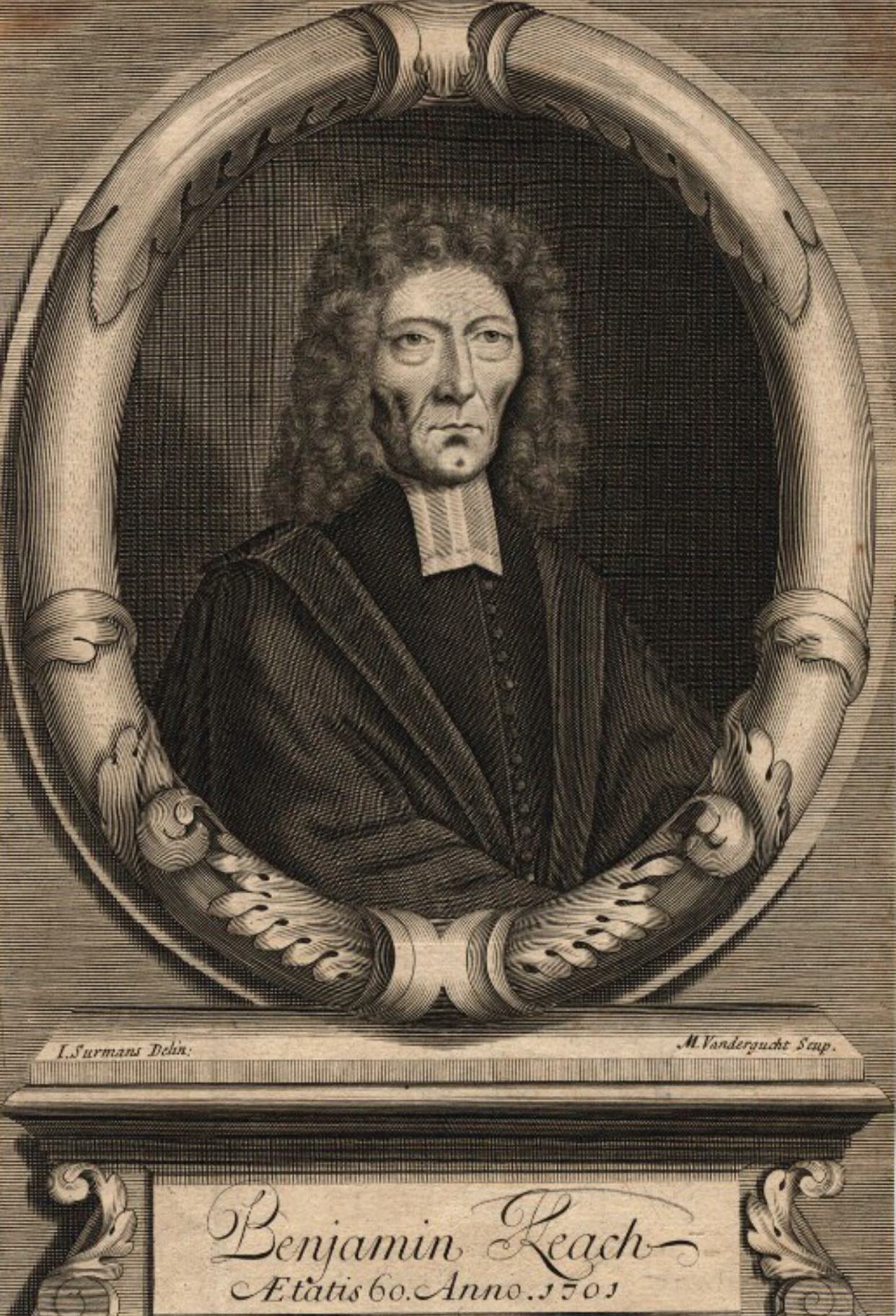
In his article "XIX. Of an Hyperbole," Benjamin Keach addresses the theological significance and interpretation of hyperbolic expressions found in Scripture. Keach argues that hyperbole serves a rhetorical purpose, amplifying or extenuating truths to enhance the efficacy and power of communication rather than to deceive. He supports his claim with numerous Scripture references, such as James 4:1 and Isaiah 57:9, illustrating how hyperbolic language conveys deep theological truths about God’s majesty and the human condition. The article’s practical significance lies in its encouragement for believers to recognize the literary intent of hyperbolic expressions in Scripture, fostering a more profound understanding of God’s attributes, such as His omnipresence and the earnestness of His warnings against sin.
Key Quotes
“Hyperbole is that affection of a trope by which with greater access and enlargement for to amplify or extenuate things a word is carried or used very far from its proper and native signification.”
“This kind of speech as tropes are is accommodated more to make expressions efficacious and powerful than with any purpose to deceive.”
“An hyperbolical expression or hypothesis denoting that no endeavours will reclaim or bring men obdurate in folly to the right way.”
“By this hypothetical hyperbole the most grievous state of the wicked that by those toys which are but transient forfeit eternal life is denoted.”
What does the Bible say about hyperbole?
The Bible uses hyperbole to emphasize truths in powerful ways, illuminating God's character and intentions.
Hyperbole also finds its place in various genres of scripture, including poetry and parables, where exaggeration creates vivid imagery and helps believers grasp profound theological concepts. It is crucial, however, to distinguish between literal and figurative language, acknowledging that hyperbole is a rhetorical tool used by God to enhance understanding rather than to deceive. Thus, hyperbolic statements reinforce the truthfulness of God's Word, echoing His character as faithful and just, and urging believers to contemplate His majesty and power.
Genesis 13:16, Psalm 139:8-10
Why is understanding hyperbole important for Christians?
Understanding hyperbole is vital as it deepens our comprehension of Biblical texts and God's communication with humanity.
When Christians grasp the power of hyperbole, they appreciate the artistic and rhetorical skill employed by the writers of Scripture. This understanding enhances their worship by revealing the depth of God's communication and the vastness of His character. Additionally, acknowledging hyperbole prevents misinterpretation that could lead to legalism or erroneous beliefs about God’s nature and our relationship with Him. Overall, it encourages a more profound engagement with the Word, fostering fidelity to the realities of God's grace and truth.
Genesis 13:16, Psalm 139:8-10
How do we know the doctrine of hyperbole is true?
The truth of hyperbole as a doctrine is confirmed through consistent scriptural usage and its effectiveness in conveying divine truths.
Moreover, historical exegesis and the works of theologians throughout church history confirm this interpretive lens. By examining context and literary devices within scripture, believers affirm that hyperbole serves as an essential tool for understanding God’s interaction with humanity and the nature of sin and grace. Ultimately, the recognition of hyperbole enriches theological discussions, leading to a more profound appreciation of God’s Word and enhances the believers’ faith in divine revelation.
Psalm 139:8-10, Job 6:3
HYPERBOLE is that affection of a trope, by which, with greater access and enlargement for to amplify or extenuate things, a word is carried, or used, very far from its proper and native signification. Here we are not to take away an hyperbole from the Holy Scripture by that pretext, that is, a kind of lie, extolling or depressing a thing more than is true: for we are to observe, that this kind of speech, (as tropes are) is accommodated more to make expressions efficacious and powerful, than with any purpose to deceive, for that is inconsistent with the goodness and truth of its most true and blessed Author, the Lord God; and that there is no disagreement between the mind, and the words spoken, which is the thing that constitutes a lie.
There is a twofold species of an hyperbole.
(1.) Amplification, which the Greeks call acuhsiv, Auxesis, and extenuation, which they call meiwsiv, Meiosis.
Examples of this auxesis or amplification are partly, rhetorical, partly logical. Such as relate to rhetoric are either in single words, or in a conjunct phrase. To single words these belong.
War is put for any private strife, Jas 4:1, which answers the Hebrew word XXXX which is taken in this sense, Jer 1:19; 15:20. Heaven is put for very great height, as on the contrary, an abyss or hell, for great depth, or dejection, Ge 11:4, "Let us build us a city and a tower whose top, (or head) may reach heaven," that is, higher than any thing on earth. See De 1:28; 11:1; Ps 107:26, "They mount up to heaven, they go down to the depths," which denotes the vehement and dreadful tossing of waves in a storm. Isa 57:9, "Thou didst debase thyself to hell," that is, to be most abject of all: he speaks of the kingdom of Juda, who submitted themselves very basely by their king Ahaz to the Assyrians, because thy would be assisted by them, 2Ki 16:7, (&c.) See more examples, Mt 11:23; La 2:1; Lu 10:21; 1Sa 5:12; 2Ch 28:9; Re 18:5; Isa 14:13; Jer 51:9,53.
To vomit up is put for recompence or payment of what a man has eaten, Pr 23:8.
Mt 19:12, "To make one's self a eunuch," is put for, to suppress irregular lusts, yea, there are some, who by the gift of God, have gift of continency; this is a metaphorical hyperbole used by Christ, kat antanaklasin, by way of atanaclasis. Jas 3:6, "The tongue is a fire, a world of iniquity," that is, a thing full of wickedness, as the world is full of many things; see Jer 4:29; Ru 4:6.
To rob esulhsa, is put for to receive, 2Co 11:8. This is a great auxesis, for he names the acceptation of due and moderate salary, depredation or robbery.
Rivers of oil are put for abundance of all good things, Job 29:6; Mic 6:7, where there is a more illustrious exaggeration, "ten thousands of rivers of oil."
Thunder is put for the strong neighing of a horse. Job 39:19.
A tower is put for a very high place, Ne 8:4, (&c.)
In a conjunct phrase, we have these hyperboles, Ge 41:47, "And in the seven plentiful years, the earth brought forth thy handfuls;" as if he had said, that from one grain they had gathered a handful. This hyperbolical speech denotes great increase, see verse 49..
More examples you may read, Ge 42:8; Ex 8:17; Jg 5:4-5, (with Nu 20:18-21,) Nu 20:16; 1Sa 7:6; Ps 6:6; 119:136; Jer 9:1; La 3:48-49, (&c.) 1Sa 25:37; 1Ki 1:40; 10:5; Isa 5:25, with De 32:22; La 2:11; Eze 27:28; 2Sa 17:13; 2Ki 19:24; Job 29:6; 40:18; Isa 13:13; 14:14; 34:3-4,7; Eze 26:4; 32:5-8; 39:9-10; Am 9:13; Na 2:3-4; Ga 4:15.
A logical hyperbole, which is used in proper words, shall he considered,
(1.) With respect,
1. To hyperbolical comparisons, when one thing is compared with another, which can bear no tolerable proportion with it, as Ge 13:16, "And I will make thy seed as the dust of the earth, so that if a man can number the dust of the earth, then shall thy seed also be numbered." The sense is, that the seed of Abraham should be a very great multitude, because innumerable, or not to be numbered. But inasmuch as it is compared to the dust of the earth, it is hyperbolical, because as Augustine[1] says, "it is obvious to every one's sense, that the number of the sands (or dust) is incomparably beyond the number of human kind, from Adam to the end of the world, much more beyond the number of Abraham's seed, whether natural Jews, or believers, who are called his seed, because they believed as he did. The same comparison of the sand of the sea, and the dust of the earth, is to be read, Ge 22:17; 28:14; Jg 7:12; 1Sa 13:5; 1Ki 4:20,29; 2Ch 1:9; Job 29:18; Ps 78:26-27; Isa 29:5; Jer 15:8; Heb 11:12, (&c.) So other comparisons, swifter than eagles, 2Sa 1:23, that is, Saul and Jonathan; Jer 4:13; La 4:19. See 1Ki 10:27, see ver. 21, 2Ch 1:15; 9:20, (&c.,) Job 6:3; 41:9; Hab 2:5; La 4:7-8.
[1] Lib. 16. de Civ. Dei, c. 21.
2. In certain hypothesis, where, for emphasis sake, the things are amplified more than really they are or can be, Ps 139:8-10, "If I ascend up into heaven, thou art there; if I make my bed in hell, behold thou art there. If I take the wings of the morning, and dwell in the uttermost part of the sea: even there shall thy hand lead me, and thy right hand shall hold me." Now no man living can ascend unto heaven, nor descend into hell, nor take wings, and fly as fast as the morning. But these things are mentioned by way of hyperbolical fiction, to illustrate the infiniteness and omnipresence of God, which no man can avoid or fly from. There is an hyperbolical expression or hypothesis, Pr 27:22, which denotes that no endeavours will reclaim or bring men obdurate in folly to the right way. That hyperbole, Ob 1:4, denotes the certainty of divine judgment against the Edomites. See Jer 49:16.
Mt 16:26, "But what is a man profited, if he shall gain the whole world and shall lose his own soul?" by the word world, all the power, riches, pleasure, and precious things there, are to be understood in one word. And by this hypothetical hyperbole, the most grievous state of the wicked, that (by those toys which are but transient) forfeit eternal life, is denoted. See Mr 8:36; Lu 9:25; 1Co 4:15; 13:1-2; Ga 1:8, (&c.)
3. In some others, 1Ki 20:10, as that thrasonical or boasting speech of Benhadad king of Syria to the king of Israel is recorded, that "the dust of Samaria should not suffice for handfuls, for all the people that follow me," This is a high piece of hyperbolical boasting, as if he had said, all your land can be brought by handfulls, by my army, yea, shall not be enough for the numbers of bearers, (so great is my host); how easily therefore shall I overcome you? Ho 2:17, there is an hyperbole which denotes the contempt of idolatory, that will be, and that their names shall not be used with any reverence, which must be the meaning, for Paul names Baal, Ro 11:4. See Ac 7:43, (&c.)
Mt 5:29, "If thy right eye offend thee, pluck it out, and cast it from thee;" verse 30, "If thy right hand offend thee cut it off, and cast it from thee," &c. Christ would not have a man maim his body, but by this hyperbolical precept intimates, the great heinousness and extreme danger of scandal or offence, and that we are by any means to avoid it, and part from all occasions of giving it That hyperbolical expression, Mt 24:2, denotes extreme destruction and razing of the foundation. See Hag 2:16; Mt 1:6, and Lu 10:4. Of which before, in the metonymy of a sign.
Joh 21:25, "And there are also many other things, which Jesus did, the which, if they should be written every one, I suppose that even the whole world itself could not contain the the books that should be written." Some expound this of the capacity of the understanding, (hence Theophilact expounds Xwrhsai by uonsai to understand, as the same word rendered here contained, is taken, Mt 19:11-12,) that the sense may be, that there would never be such an one in the world, that could comprehend all in his mind because of the variety and multitude of the things done, and spoken by Christ, the world being metonymically put for the men, and books for their contents.
Others understand it of local capacity, properly so called, that the whole world was not big enough to contain all the books, if in every circumstance all the sayings and actions of Christ were written, which explication is savoured by the pronoun (autov itself} added to the world: take it which way you will, it is an hyperbolical expression, especially in the latter sense. Some compare Am 7:10, with it, "the land is not able to bear all his words," &c.
By that hyperbolical wish of the apostle, Ro 9:3, his great and exceeding love to the Israelites is noted. See Ga 3:13-14; Jude 1:23, (&c.)
Examples of a Meiosis, or Extenuation.
1. To a rhetorical meiosis belong such things as are by any trope extenuated, or lessened, as Ge 18:27, "Behold now I have taken upon me to speak unto the Lord, which am but dust and ashes," that is, a most low and abject creature. It is a metaphor or a metonymy, and alludes to the first creation of man, out of the earth.
So to be exalted out of the dust, denotes to raise one of the meanest sort of men to honour, 1Ki 16:2; Ps 113:7-8; 1Sa 24:14, "Whom dost thou pursue? after a dead dog, after a flea," as if he had said, that it was beneath (or unworthy) so great a king to pursue me, that am but weak and mean, with so great a troop.
Ps 22:6, "But I am a worm and no man," that is, a most afflicted man, trampled on by the enemy, like a worm, &c. so Job 25:6; Isa 41:14.
2. A local meiosis is when for extenuation sake, a comparison is made with a very little thing, as Nu 13:33, "We saw men, and we were as grasshoppers before them:" that is, of small stature in comparison of those giants. See Isa 40:15,17; Ps 144:3-4.
3. Examples of grammatical meiosis, are 2Ki 18:4, "and called it, (XXXX Nehushtan) little brass," by a diminutive word, by way of contempt of the brazen serpent that was made an idol, of these diminutives these are many in the Hebrew text, but we leave them for critics.
Some is put for a great many, Ro 3:3; 1Ti 4:1.
Somebody, is put fur an eminent man, Ac 5:36, "Boasting himself somebody," as Ac 8:9. So Pindarus says, ti de tiv; ti de oudeiv; skiav onar anqrwpov, that is, what is somebody? "What is nobody? Man is the dream of a shadow.
Sick is put for one dead in sin, or desperately bad in his spiritual state, for these that are said to be ungodly, Isa 1:5, sinners, and enemies, verse 10. These few instances of many we note for the illustration of this trope.

Comments
Your comment has been submitted and is awaiting moderation. Once approved, it will appear on this page.
Be the first to comment!