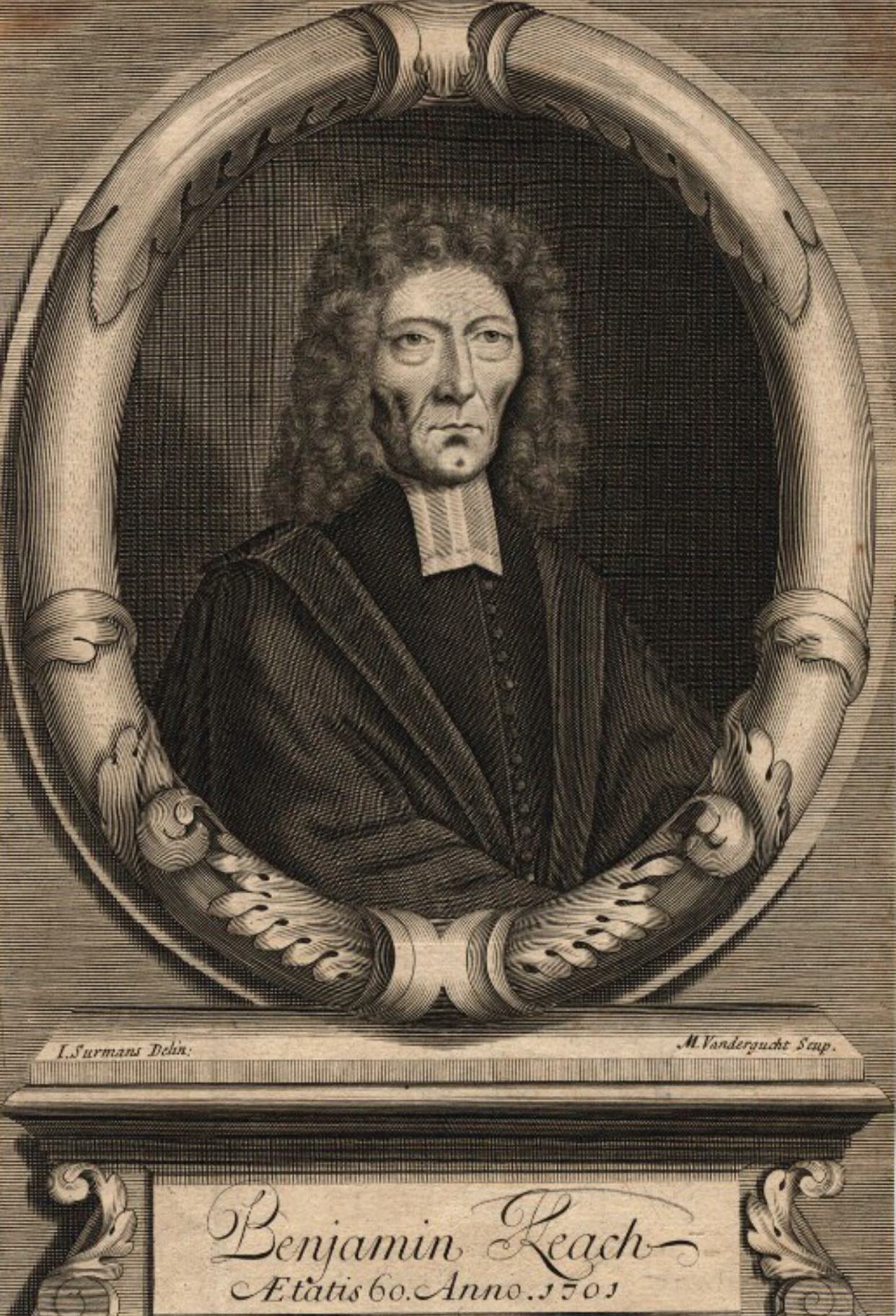
The article "XVIII. of a Catachresis" by Benjamin Keach explores the theological concept of catachresis, along with its associated affections such as hyperbole and allegory. Keach outlines how catachresis serves as an "abuse" of language not in a negative sense but due to its unique expression within Scripture, producing a profound impact on the divine narrative. He supports his argument through various Scripture references, including Leviticus 26:30, 1 Samuel 2:15, and Matthew 7:21-22. The significance of this study lies in its emphasis on the richness of biblical language, demonstrating how metaphorical expressions convey deep spiritual truths, ultimately enhancing the believer's understanding of the text and God's revelation.
Key Quotes
“Catachresis is called in Latin abusio an abuse not as if the sacred scripture had abused any words but because the things that are catachrestical differ in some things from the custom of speaking tropically.”
“The style of scripture is most holy and pure from any blemish or indecency of which take a few examples from a threefold kind.”
“Indwelling sin is called a law because it has a kind of command upon a man while he lives unless the power of grace restrains it.”
“With respect to the joining of the words when some words in a metaphor especially are joined together which seem not so well to correspond.”
What does the Bible say about catachresis?
The Bible uses catachresis, a figure of speech, to convey deeper meanings through its metaphors and word uses.
Leviticus 26:30, Exodus 12:9, 1 Samuel 2:15, Job 4:12
How do we know catachresis is used in the Bible?
Catachresis is evidenced through various scriptural examples where words are used in non-standard ways to enrich meaning.
Matthew 7:21-22, Exodus 5:21, Job 6:4
Why is understanding catachresis important for Christians?
Understanding catachresis enriches a Christian's grasp of Scripture and encourages deeper reflection on biblical teachings.
Romans 8:28-30, Colossians 2:11, 1 Corinthians 11:10
HITHERTO we have expounded the kinds of tropes, now we are to treat briefly of their affections. Which are,
Catachresis,
Hyperbole, and an
Allegory. Which three words signify in English
Harshness,
Boldness, and
Continuation.
Kataxrhsiv, Catachresis, is called in Latin abusio, an abuse, not as if the sacred scripture had abused any words, but because the things that are cataehrestical, differ in some things from the custom of speaking tropically, and have a harder utterance and coherence. The style of scripture is most holy, and pure from any blemish, or indecency, of which take a few examples from a threefold kind.
1. With respect to the acceptation and signification of words, Le 26:30, the fragments of idols are called carcases, by a hard metaphor, alluding to the carcases of men before mentioned, De 16:7. To boil XXXX is put for roasting the paschal lamb, which was not to be boiled, but roasted, by the command of God, Ex 12:9, (&c.) Live flesh, (in the Hebrew text,) is put for raw flesh. 1Sa 2:15, the water, which the three worthies of David brought with the peril of their lives, is called (by a harder metonymy,) their blood. Job 4:12, "Now a word was brought by stealth to me," he speaks of an evangelical oracle that came secretly to Eliphaz. See more examples, Ps 88:5, where he calls [forsaken] "free," &c., Mt 12. Ro 7:23, "Indwelling sin," is called a law, because it has a kind of command upon a man while he lives, unless the power of grace restrains it. See 1Co 11:10, the covering of a woman's head, is called exousia, "power," (because it is passively a sign of her being under command of the man,) by a catachrestical metonymy.
Sin is called melh, the members, which are on the earth, by a metaphor, See Col 2:11.
2. With respect to the joining of the words when some words (in a metaphor especially,) are joined together, which seem not so well to correspond, as Ex 5:21, where it is said to stink in the eyes, which better agrees with the nostrils, which denotes great averseness. Ex 20:18, "And all the people saw the thunder and lightnings, and the noise of the trumpet," of which only lightning is seen, the others are heard. So to see a voice, Re 1:12. See more examples, Mt 7:21-22; 10:15; 1Ti 6:19. 2Co 5:7; 2Ti 2:19, (&c.)
With respect to the change of words. This belongs to the writings of the New Testament, and the Greek tongue, in which certain words are used to signify different things, because one and the same Hebrew word, (whence that speech was taken,) may so signify. Thus Aiwnev (Aiones) secula ages, are put for the world, Heb 1:6, because the Hebrew XXXX signifies both ages and the world, Ec 3:11. Dwrean, gratis, "freely," is put for mathn, frustra, "in vain," Ga 2:21, from the Hebrew word XXXX which signifies both, viz., (freely,) as opposed to merit, price, or reward, and, (in vain) as it is contradistinguished, from the hoped effect or event, Ps 109:2-3. See more examples, Re 14:8; 18:3, compared with Job 6:4; Mt 6:34. A word that signifies malice, is put for affliction because the Hebrew word XXXX signifies both. See Am 3:6; 1Co 15:54, with Am 1:11; Heb 11:31; Jas 2:25; 1Co 2:6; 14:20; Col 3:14; 4:12; 1Jo 4:18-20, with Jg 9:16, and Pr 11:3, (&c.)

Comments
Your comment has been submitted and is awaiting moderation. Once approved, it will appear on this page.
Be the first to comment!