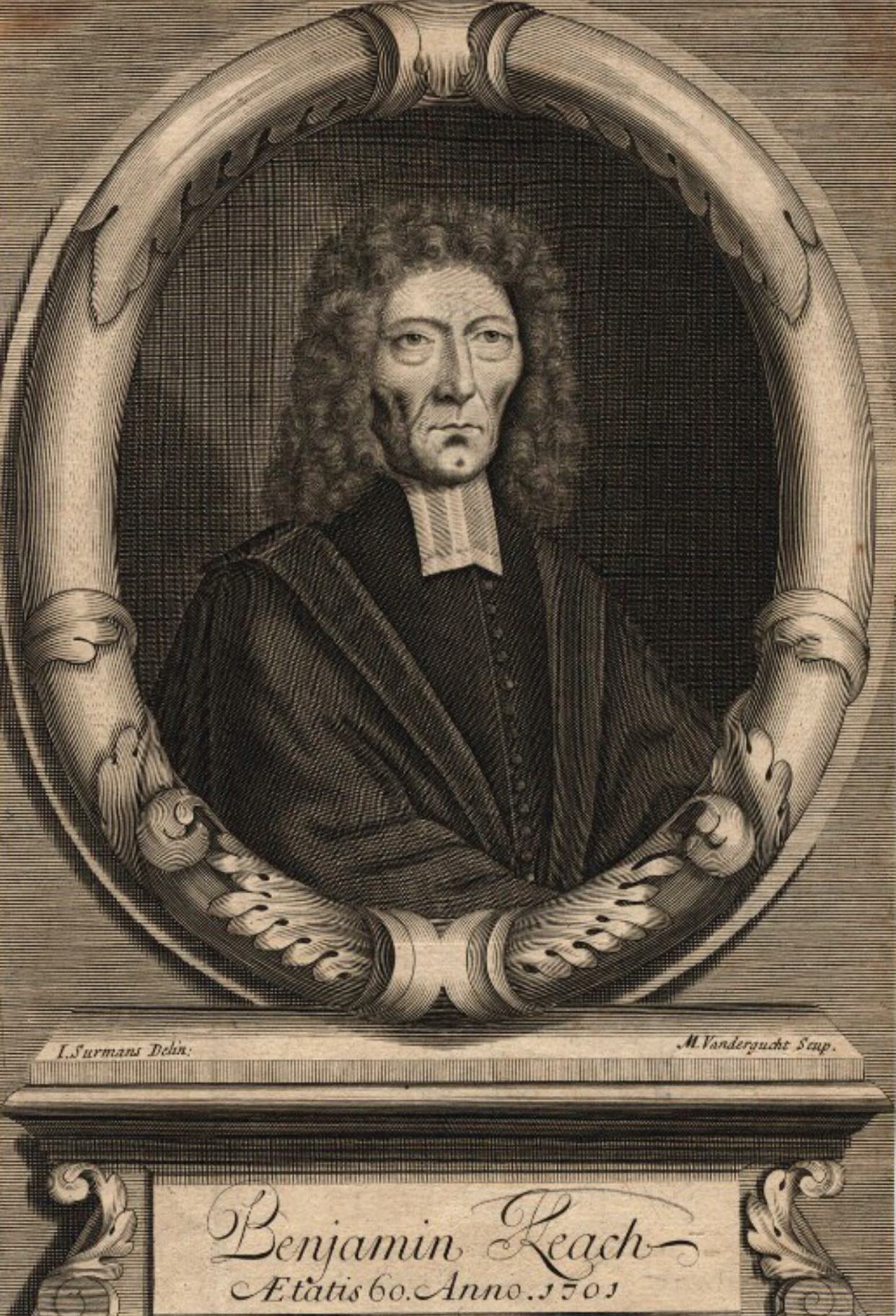
The article by Benjamin Keach discusses the theological topic of figures of speech in dialogism, specifically focusing on various rhetorical devices employed in Scripture to articulate theological truths. Keach identifies five key figures: Aporia, Anakoinosis, Prolepsis, Epitrope, and Synchoresis. He provides examples from Scripture, such as Psalm 139:7, Isaiah 5:3-4, and Romans 9:6, demonstrating how these figures help convey deeper meanings and address objections to theological assertions. The practical significance lies in understanding these rhetorical techniques to enhance one’s interpretation of biblical texts and to engage more effectively in theological discourse.
Key Quotes
“Aporia or diapornsiv doubting or deliberation is a figure when we deliberate or reason with ourselves what we ought to say or do.”
“Prolepsis is when that which may be objected is anticipated and avoided.”
“Epitrope permission is when we seriously or ironically permit or grant a thing and yet object the inconveniency or unreasonableness of it.”
“Synchoresis concession is when a certain question is granted yet withal declared to be unprofitable or of no advantage.”
What does the Bible say about deliberation in prayer?
The Bible teaches that deliberation, or reasoning with oneself, is a vital aspect of seeking God's guidance.
Psalm 139:7, Romans 7:24-25, Philippians 1:22-24
How do we know that God's word is effective despite objections?
God's word remains effective regardless of objections because it is rooted in His sovereign purpose.
Romans 9:6, Isaiah 49:14-15
Why is understanding rhetorical figures important for Christians?
Understanding rhetorical figures in scripture enhances our comprehension of biblical truths and communication.
Romans 9:6, Isaiah 49:14-15, James 2:19
CHAPTER VI.
OF THE FIGURES OF A SENTENCE IN DIALOGISM.
FIGURES in a dialogism, of which we have given a description before, are five in number, which we will briefly expound and illustrate with examples; as,
1. Aporia or diapornsiv, doubting or deliberation, is a figure when we deliberate, or reason with ourselves, what we ought to say or do; as Ps 139:7, "Whither shall I go from thy Spirit? or whither shall I fly from thy face," (or presence?) See the four following verses. Other examples are, La 2:13; Lu 16:3-4; 2Co 11:22; Php 1:22-24; Ro 7:24-25.
2. Anakoinwsiv, Anacoenosis, which signifies communication, or an imparting of a thing to another) is a figure, when we deliberate or consult with those things, with whom we argue for, or against; as Isa 5:3-4, "Now therefore, inhabitants of Jerusalem, and men of Israel, judge I pray you, betwixt me and my vineyard." &c.; so Lu 11:19; Ac 4:19; 1Co 4:21; 10:15-16; 11:13-14; Ga 3:1-2,5, and Ga 4:21, (&c.)
3. Prolhyiv, occupation, is when that which may be objected, is anticipated and avoided; this is done either covertly, or tacitly; or openly and plainly. Of the first sort we reckon, when the objection is not mentioned, but only the answer; Ro 9:6, "It cannot be that the word of God should take no effect; for they are not all Israelites, that are of Israel," (so the Greek:) this obviates an objection, viz., if Israel be rejected, the word of God will be ineffectual; "I will be thy God, and the God of thy seed," &c. An open and plain prolepsis, is when the objection is stated and answered: this is often joined with a prosopopoeia,---the parts of this are upofora, hypophra, anqupofora, anthupophora: the first is the adversary's reason, or objection; the latter, the solution or confutation of it. Examples are Isa 49:14, "But Sion said, the Lord hath forsaken me, and my Lord hath forgotten me;" the answer of this objection follows, verse 15, "Can a woman forget her sucking child," &c. See also Mt 3:9; Ro 3:1-4,27,29,31; 4:1-3; 6:1-2; 7:7; 9:14,19-20; 10:18-19; 11:1,11,19-20; 1Co 15:35-36, (&c.)
4. Epitroph, epitrope, permission, is when we seriously or ironically permit or grant a thing, and yet object the inconveniency or unreasonablenes of it; examples of a serious epitrope are, Ro 2:17, "Behold thou art called a Jew, and restest in the law, and makest thy boast of God," verse 18, "and knowest his will," &c., as if he had said, I grant it is so; but why is thy conversation so disagreeable to that outward profession? verse 20, and the following verses show this to be the meaning; see also Ro 9:4-5; Ga 4:15-16.
An ironical epitrope is, when we seem to grant a thing, which is indeed a prohibition of the contrary. Of this Illyricus says, Clave Script., part 2, Col. 302. "It is a species of permission, when we grant what is unjust to any, not as judging what he says right, but as it were giving way to his obstinacy, malice, or fury. As angry fathers use to say to their dissolute sons, I see you will ruin yourself, take your course, run on headlong to destruction." Examples you may read, Jg 10:14; Pr 6:32; 1Ki 22:15; Ec 11:9; Isa 29:1; Jer 2:28; 7:21; La 4:21; Eze 20:39; Am 4:4-5; Mt 23:32; 26:45; Joh 2:19; 13:27; 1Co 15:32; 2Co 11:19; Re 22:11.
5. Sugxwrhsiv, Synchoresis, concession, is when a certain question is granted, yet withal declared to be unprofitable or of no advantage; Jas 2:19, "Thou believest that there is one God, thou doest well; the devils also believe and tremble." See Ro 11:19-20, (&c.,) 1Co 4:8; 10:1-2,11; 12:16, (&c.)

Comments
Your comment has been submitted and is awaiting moderation. Once approved, it will appear on this page.
Be the first to comment!