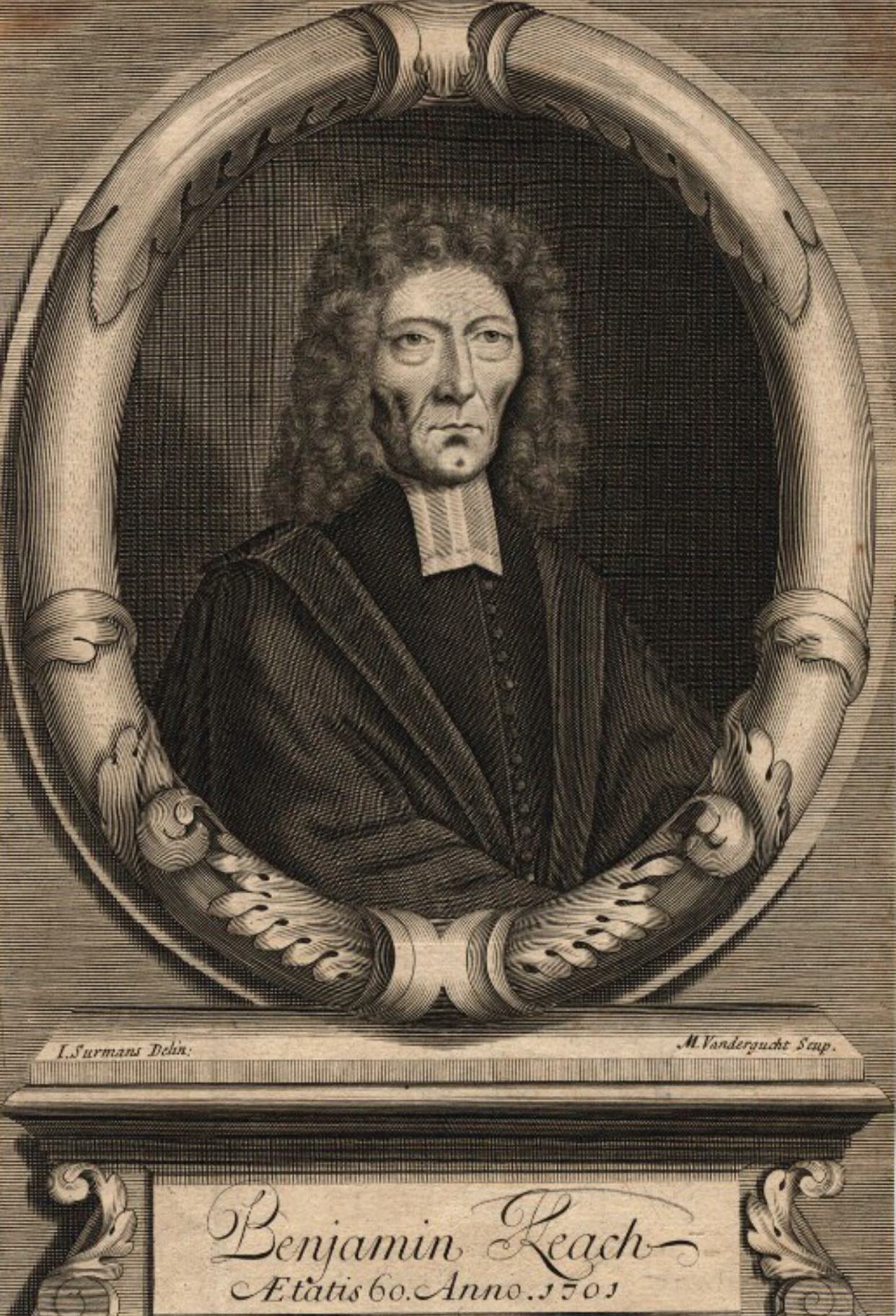
The article "Christ the Branch" by Benjamin Keach focuses on the theological significance of Christ as the "Branch," which metaphorically symbolizes His humanity and royal lineage. Keach argues that scriptural references to Christ as the Branch, such as in Isaiah 11:1 and Jeremiah 33:15, explicitly affirm His descent from David and His role in redemptive history. He emphasizes that Christ's human nature—rooted in His familial ties to David, Jesse, and Abraham—demonstrates His authentic humanity and the divine plan for salvation. The article highlights that this understanding of Christ forms a cornerstone of Reformed doctrine, asserting that Christ's incarnation fulfills God’s promise and magnifies human dignity through the union of divine and human natures, which is essential for believers' hope and consolation.
Key Quotes
“Christ is really and truly man and hence he is called the seed of the woman.”
“This shows how man is magnified and exalted by the Almighty.”
“The Lord Jesus took not hold of the Nature of angels but of the seed of Abraham.”
“What greater dignity can God confer upon us than that our nature should be united to and made one with the Deity?”
What does the Bible say about Christ being the Branch?
The Bible refers to Christ as the Branch, indicating His human nature derived from the lineage of David.
Jeremiah 33:15, Isaiah 11:1, Acts 2:30
How do we know Christ's human nature is true?
Christ's human nature is affirmed in Scripture, specifically as a descendant of Abraham and David.
Romans 1:3, Hebrews 2:14
Why is Christ's nature as the Branch important for Christians?
Understanding Christ as the Branch highlights His humanity and His role in our salvation.
Galatians 4:4
What does it mean that Christ partakes of our nature?
Christ partaking of our nature means He truly identifies with humanity while remaining divine.
Hebrews 2:16
CHRIST THE BRANCH
"I will bring forth my servant, the Branch" Ec 3:8.
"Behold the man whose name is the Branch," Ec 6:12.
THE Hebrew word XXXX, and the Latin word, Germen [1] do metaphorically signify Christ. The Greek interpreters translate it, anatolhn, and the Vulgate Latin, Orientem; for they judged, that Christ might be so called from that glory and brightness, by which he chased away the darkness that overspread the world; but the word will not bear that sense, as the root XXX showeth.
[1] Leigh. Crit. Sacra, p. 435.
In these places of scripture, where Christ is called a Branch, we are to understand his human nature is intended; and this according to the judgment of divers expositors. "I will cause the Branch of righteousness to grow up unto David:" Jer 33:15, Hence he is said to be a "Branch out of the stem of Jesse," Isa 11:1. And this is according to the apostle, where he mentions, that God sware unto David, "That of the fruit of his loins according to the flesh, he would raise up Christ to sit upon his throne," Ac 2:30. And upon this account Christ is called the "Son of David, and the offspring of David," Re 22:16.
How fitly Christ may be compared to a Branch, we shall note under three or four particulars.
METAPHOR
I. A Branch hath a root or stock from whence it proceeds.
PARALLEL
I. Christ, as concerning the flesh, proceeded from Abraham, Jesse, David, Mary, &c., Ro 1:3; Mr 6:3.
METAPHOR
II. A Branch is of the same nature with the stock and root from whence it naturally proceeds.
PARALLEL
II. Christ is really and truly man, and hence he is called the "seed of the woman,"Ge 3:15, and the seed of Abraham, &c., Ge 22:18, and "made of a woman, made like unto us in all things, sin only excepted." "Forasmuch as the children are partakers of flesh and blood, he also himself likewise took part of the same, Heb 2:14.
METAPHOR
III. A Branch partakes of sap and nourishment from the root.
PARALLEL
III. Christ partook of nourishment from the virgin not only in the womb, but afterwards: "Blessed are the paps that thou hast sucked, Lu 11:27; 23:29.
METAPHOR
IV. A Branch, or the Branches of a tree, are the glory of a tree.
PARALLEL
IV. Christ, the Son of man, being the real offspring and son of David according to the flesh, is the glory of all David's race, and of the whole church of God in general, Mt 22:45; Re 22:16.
INFERENCES.
1. This may serve to refute those that say, the matter of Christ's human nature was from heaven; and that he passed through the womb of the virgin, as water through a conduit-pipe; and is called "The seed of the woman, and made of a woman," Ga 4:4, upon no other account than his being born of a woman.---From hence,
2. We may admire the goodness and rich grace of God, and his distinguishing love to mankind, in that the Lord Jesus took not hold of the "Nature of angels, but of the seed of Abraham," Heb 2:16, that there should be a Saviour for fallen man, and none for fallen angels.
3. This shows how man is magnified and exalted by the Almighty. What greater dignity can God confer upon us, than that our nature should be united to, and made one with the Deity? This is the rise and ground of all our hope and consolation.

Comments
Your comment has been submitted and is awaiting moderation. Once approved, it will appear on this page.
Be the first to comment!