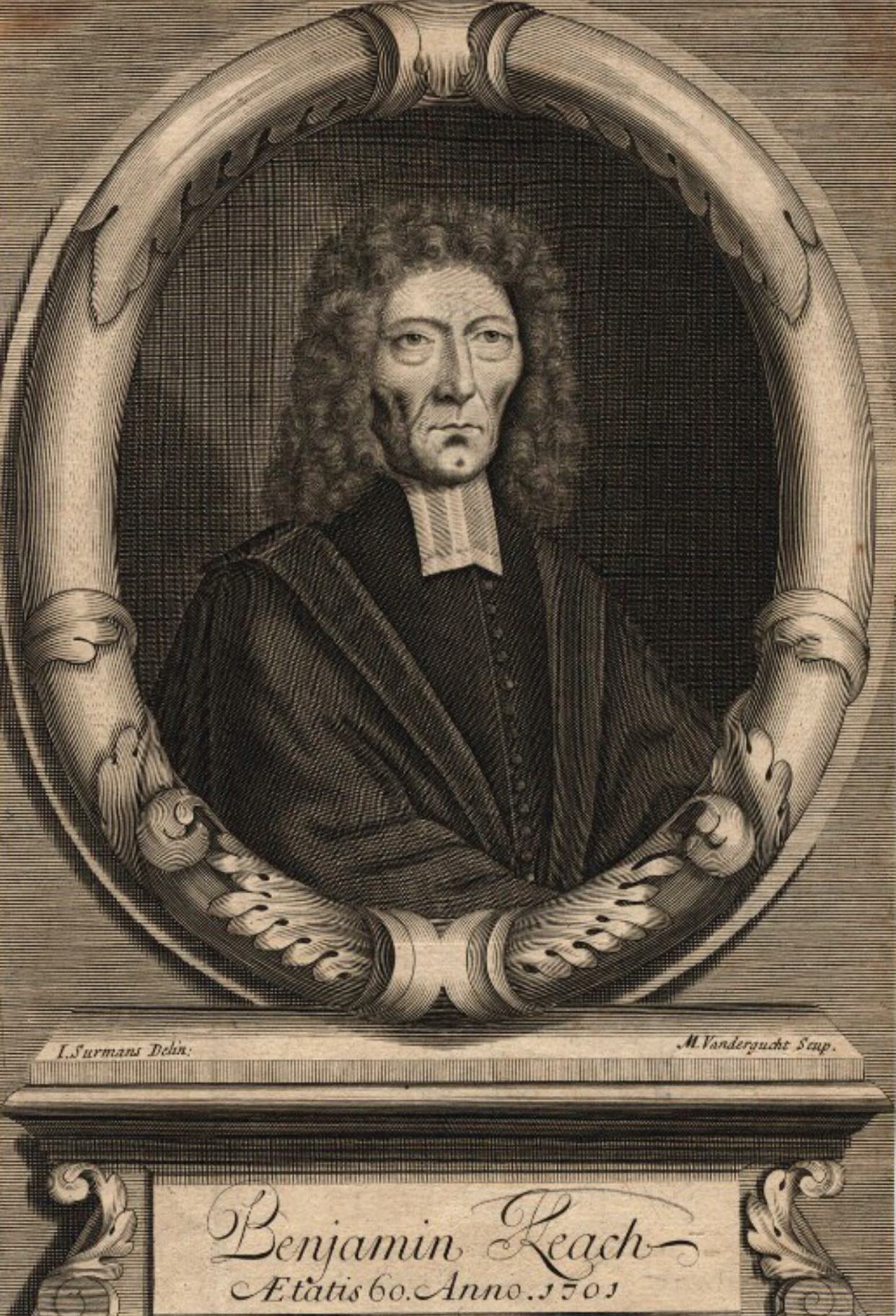
In Benjamin Keach's article "The Peace-Offering, and What It Was a Type Of," he explores the theological significance of the peace-offering as outlined in Leviticus 3. He argues that while the peace-offering shares similarities with burnt and sin offerings, it holds a distinct role in representing reconciliation with God through confession and gratitude for His blessings. Key Scripture references include Leviticus 7:11-20, which discusses the conditions surrounding the offerer and the consumption of the offering, pointing to the importance of immediate and sincere engagement with Christ. The article emphasizes that delaying faith or approaching God with unclean hands results in dire spiritual consequences, reinforcing the Reformed belief in the necessity of personal faith and repentance. Practically, Keach highlights the implications for believers in maintaining a sincere faith characterized by thanksgiving and an avoidance of hypocrisy.
Key Quotes
“The Peace-offerings were to be eaten with cakes of leavened bread and yet with bread unleavened...signified God's gracious acceptance of us in Christ being sincere signified by the unleavened cakes notwithstanding our manifold corruptions and infirmities figured by the leavened cakes.”
“It shall be an abomination...to defer or put off a hearty closing-in with Christ to an after-time.”
“The offerer shall bring the sacrifice with his own hand teaching us that every one is to have a particular faith in God for himself.”
“The heave-offering...signifying all our acknowledgments that all good things come down from God.”
What does the Bible say about peace offerings?
The peace offering symbolizes thanksgiving and acknowledgment of God's goodness and is described in Leviticus 3.
Leviticus 3, Psalm 119:60, Hebrews 3:12-13
How do we know that the concept of peace offerings is important for Christians?
Peace offerings illustrate the importance of gratitude and acknowledgment of God's grace in the Christian faith.
Leviticus 7:11-12, Psalm 56:12, 1 Corinthians 11:29
Why are peace offerings connected to Christ's resurrection?
Peace offerings illustrate Christ's fulfillment of the sacrifice on the third day, symbolizing His resurrection.
Leviticus 7:18
Le 3
IN many things this Offering was alike with the rites of the burnt, or sin-offering, and much of the same signification; and therefore we shall only speak to it wherein it differed from them. His oblation, or his korban, which the Greeks translate gift; and so korban is by the evangelist expounded, Mr 7:11, Peace-offering, or pay-offering. So Ainsworth, (Hebr.) a sacrifice of payments, or of pacification, &c., whereby men paid unto God confession and thanks for their peace and prosperity; "Thy vows are upon me, O God, I will pay confessions unto thee," Ps 56:12. These sacrifices were of sundry sorts, either for confession or thanksgivings, Le 7:11-12.
1. The Peace-offering was to be eaten the same day, which might signify how it behoveth us to hasten, and not delay to come to Christ, and keep God's commandments; or as Ainsworth hath it, with speed, whilst it is called to-day, to be partakers of Christ, eating his flesh by faith, and every day to be thankful to God for all his mercies, Ps 119:60; Heb 3:12-13. "If any of the Peace-offering be eaten at all on the third day, it shall not," saith the Lord, "be accepted, neither shall it be to him that offereth it; it shall be an abomination, and the soul that eateth it, shall bear his iniquity." Which may show us what a dangerous thing it is to defer or put off a hearty closing-in with Christ to an after-time, &c. On the third day, what remained was to be burned, which Ainsworth saith, chiefly signified Christ's rising from the dead on the third day, to abolish all legal offerings.
2. The Peace-offerings were to be eaten with cakes of leavened bread, and yet with bread unleavened, the bread brought with the sacrifice of confession, as you have it in Maim's Treatise of offering, was thus prepared: he took twenty tenths, or bottles, of fine flour, and made of them ten bottles leavened, and ten unleavened; the ten that were leavened, he made of them ten cakes; and "the ten that were unleavened, he made of them thirty cakes, equally of every sort, viz., ten cakes baked in the oven, ten cakes hastily fried, &c. And the priest took one of all four cakes, one of every sort, &c. Leaven, as it figured corruption of nature, hypocrisy, or malice, as it is noted by Ainsworth, was usually forbidden in all sacrifices; but yet leaven in the sacrifice of thanksgiving or confession was accepted, which might hold forth God's gracious acceptance of us in Christ being sincere, signified by the unleavened cakes, notwithstanding our manifold corruptions and infirmities, figured by the leavened cakes. Or, as the learned author[1] notes, to signify how careful we should be to prepare ourselves, leaven being used sometimes in a good sense, denoting grace, and also to teach us to temper our joys with sorrow and afflictions in this life; as the prophet's heart, saith he, was leavened, Ps 73:21.
[1] See Ainsworth on Le 7:3.
3. "If any unclean person," saith the Lord, "eat of the flesh of the Peace-offering, he shall be cut off from his people," Le 7:20, signifying the fearful destruction and punishment that attends all carnal professors, who dare adventure to rely upon, or partake of Christ, and yet lead an unclean and wicked life, 1Co 11:29.
4. The offerer shall bring the sacrifice with his own hand; teaching us, that every one is to have a particular faith in God for himself, in order to his being accepted in Jesus Christ, and to be himself truly thankful unto God.
5. The heave-offering was so called, because it was separated from the rest, and heaved up towards heaven, and after given to the Lord; signifying all our acknowledgments, that all good things come down from God; and to show that all our ways should tend heaven-wards, according to that of the prophet, "They shall dwell on high," Isa 33:16, and of Paul, "Our conversation is in heaven," &c., Php 3:20. Others understand, it signified Christ's being lifted up upon the cross.

Comments
Your comment has been submitted and is awaiting moderation. Once approved, it will appear on this page.
Be the first to comment!