Bootstrap
Scott Richardson

Six Things Concerning The Son Of God

John 1:1-5
Scott Richardson December, 2 2001 Audio
0 Comments

Sermon Transcript

Auto-generated transcript • May contain errors

100%
John chapter 1. John chapter 1. I'm going to
read you a few verses here. Verse 1 says, In the beginning was the Word, and the Word was with God, and
the Word was God. The same was in the beginning
with God. All things were made by him,
and without him was not anything made that was made. In him was life, and the life
was the light of men. And the light shineth in darkness,
and the darkness comprehendeth it not." Now, these first five verses tells us six particular and important
things concerning the Son of God. and the Son of Man in one
person. It tells us, number one, that
Jesus Christ, the Son of God, is eternal. That Jesus is eternal. It tells us that He was and is
a distinct person, very God, the creator of all
things, the source of life and the source of life, the Lord
Jesus Christ is eternal. That is the main thought in these
five verses. that Jesus Christ always was,
always will be. There's no change in him, that
he is eternal. It tells us here that in the
beginning was the Word. The Word was with God and the
Word was God, and the Word is the Lord Jesus Christ. In the
beginning was the Word. Now, the Lord Jesus Christ did
not begin to exist when the heavens and the earth were made. That
was not the starting place or the beginning of the existence
of the Lord Jesus Christ. Now, he did not begin to exist
when the gospel was brought into this world. The Bible says, and
I read it to you from John chapter 17 and verse 5, that he had glory
with the Father before the world was. Now, he existed when matter
was first created and before time began, He existed. In other words, He always was
and always will be because He is eternal. And here in the Bible
it says, in Colossians chapter 1, And I want to read that to
you, Colossians chapter 1 and verse 17. It says this. Well, I'll read verse 15, speaking of the eternality of
the Lord Jesus. It says, Who is the image of
the invisible God, the firstborn of every creature? Still speaking
of the Lord Jesus, for by him were all things created, that
are in heaven and that are in earth, visible and invisible,
things that can be seen and things that cannot be seen, he is the
author of. Whether there be thrones or dominions
or principality or powers, all things were created by him and
for him. And he is before all things,
and by him all things exist. So we learn that the Lord Jesus
Christ is very God and very God. He is the Word of God. It says the Word was God. And he was not merely a created
angel, or a being that was inferior to God the Father, He is nothing
less than perfect God, the Lord Jesus Christ. We learn from these
various scriptures that He is the Creator of all things, that
by Him were all things made, and without Him there was not
anything made that was made. He is the Being who made the
worlds and all that the worlds contain, the Lord Jesus Christ. The Bible says that He commanded
and they were created. If it teaches anything in these
five verses, it teaches that the Lord Jesus Christ is the
eternal God and the eternal man in one person. And it also says
that he is the source of spiritual life and spiritual life. It says in verse 4, In him was
life, and the light was the light of men. And the light shineth
in darkness, and the darkness comprehendeth it not. He is the eternal fountain of
life. And whatever spiritual life and
light that Adam and Eve ever possessed before the fall was
from the Lord Jesus Christ. And whatever deliverance from
sin and spiritual death that any child of Adam has this morning
and that has enjoyed since the fall of man, and whatever understanding
that a man has and has received since Adam fell is obtained from
the source of life and life who is the Lord Jesus Christ. All
life and life comes from Jesus Christ and his eternality. The light has been shining constantly
in darkness, but the world comprehendeth it not. Now, if any man or any
woman, any boy, any girl, out of the countless numbers, billions
millions and billions of Adam's race ever had any spiritual life
or spiritual life, they owe it all to the eternal Christ who
is the Word. And the Word was with God and
the Word was God. So after the or the Apostle John,
not John the Baptist, but the Apostle John wrote these words,
these first five verses of this chapter. But the authorship of
John is not just confined to the first five verses, he's the
author of the whole chapter. but he primarily deals in these
five verses with the eternality of the Lord Jesus Christ, that
he existed before he was born. Before he was in the womb of
the Virgin Mary, he was always and always will be, the eternality
of the Lord Jesus, that he is as much God as if he was never
man, and as much man as if he was never God. So he tells us
that he's the source of life and the source of life, and if
any man has any life or any That is, in a life or spiritual light,
he owes it to the Lord Jesus Christ because he's the fountain
of life. And if any man ever hopes or
expects to have life or light, it will come from this one light,
who is the true light, none other than the Lord Jesus Christ. and
he is wasting his time by looking at anything else or any other
object apart from him who is the eternal Word of God. This is all true concerning the
Lord Jesus Christ. But then after John the evangelist,
John the apostle, John the beloved disciple of the Lord Jesus Christ
concludes his exposition concerning who the Lord Jesus Christ is and talks about his existence
and talks about his power and his authority, that there was
nothing made that was made. It's all from him. And then he
said that this light shines in darkness and the darkness doesn't
see it, doesn't comprehend it, doesn't understand it. Then he
seems to depart and he starts talking about a man. In that
sixth verse he said there was a man sent from God whose name
was John. Now, in these previous verses,
he uses five verses to describe who the Lord Jesus Christ is.
He says, In the beginning was the Word, in the beginning. And the Word was with God and
the Word was God. The same was in the beginning
with God. All things were made by Him.
Who's He talking about? He's talking about the Word,
talking about the Lord Jesus. And it says, Without Him, without
the Lord Jesus, was not anything made that was made. It speaks
of the eternality of the Lord Jesus. In Him was life, and the
life was in the light of men. And the light shineth in darkness,
but the darkness comprehended it not. Then all at once, He
said there was a man sent from God. That's all it says about
John. That's all that it says about
John the Baptist, that he was a man sent from God. It doesn't say anything about
his eternality, but he was sent from God and his name was John. All right? of the language used about the
Lord Jesus Christ and the Lord Jesus Christ's forerunner, who
was John the Baptist. He came before the Lord Jesus
here in time to make the Lord Jesus Christ known. He was the
forerunner, and he tells us who he is, what he was and what he
always will be, that he is the eternal God, creator of all things,
the source of light and the source of life. It says that about the
Lord Jesus Christ. It says he's a very distinct
person, very God, the creator of all things, that Jesus Christ
is eternal. Now, he tells us here that in
the beginning of the world, was the Word and the Word began
to exist or didn't begin to exist when the heavens and the earth
was made and so forth. But he tells us about John the
Baptist here. His name was John. Well, what
did John come on to this scene at this particular time to do? What was the purpose of John
the Baptist? Well, the purpose of John the
Baptist is the purpose of every true preacher that ever lived
and ever will live. It was to tell this world who
the Lord Jesus Christ is. That was the purpose and the
mission of John the Baptist. And it says there in that sixth
verse that he was sent from God. And his mission is to tell who
the Lord Jesus is and what the Lord Jesus Christ has done. So
I learned from that, as I read this and think about it, I come
to this consideration that if a man who says he is sent from
God, that he's called God into the ministry, then his mission
upon this earth is the same as John the Baptist. Now, John the
Baptist was not the light, but he comes to point out who the
light and life was and is, and it's none other than the Lord
Jesus Christ. He's the light, And he's the
line. John the Baptist, we're told, and I don't want
to minimize it if I can help it, was an important man. As a matter of fact, our Lord
said of himself, said himself that of John the Baptist is no
greater prophet than John the Baptist. None of Isaiah, Jeremiah,
and all the great Moses, all the great prophets of the Old
Testament. John the Baptist was greater
than they were. And I think it's because John
the Baptist was the forerunner of Christ and to tell the world
who the Lord Jesus Christ is, that he's not just a babe born
in Bethlehem's manger, but he was born, or that he wasn't just
born in Bethlehem's manger and existed from there till now,
but he always was, and he's the only one that has light, and
he's the only one that has life, and John here came to be a witness
of it, to be a witness of who the Lord Jesus is. And as I said,
if a man who says he's called of God and sent of God like John
the Baptist was sent, well, then he must have the same message
that John the Baptist had. That seems to me to be the nature
of the preacher's office. That's what the preacher's office
is. He came for a witness to bear witness of the life that
all men through him might believe through the Lord Jesus Christ.
Now, preachers are not priests. Let me say that again. Preachers are not priests. John
the Baptist was a man sent from God, whose name was John, and
he came to bear witness of the light, and that light is the
Lord Jesus. And he's not a priest. John is
not a priest. John was not a mediator between
God and man. John was not an agent into whom
into whose hands men might commit their souls. He's not a priest. He's not a low priest. He's not
a high priest. He's not a priest at all. He
comes for one particular reason, to bear witness of the light,
and the light is Christ. And it's intended then for preachers
that say they are called of God with a holy calling to this holy
office, that they are intended to bear testimony of God's truth,
and especially the great truth that Christ is the only Savior
and the light of the world. Now that's the preacher's message,
and if the preacher does not have that message, then you can
say, according to the Word of God, that he was not sent of
God, because he who was sent of God bears witness of the light
which is the Lord Jesus Christ. If he preaches anything apart
from that, he's not being true to the commission and the calling
that he has received in the Lord Jesus Christ. Preach the truth! Over here in the book of Acts,
I want to read to you what the Apostle Paul, who was called
of God to bear witness, like John the Baptist was called to
bear witness, and this is what Paul said in this particular
place seemed to be the message that Paul always dealt with in
Acts chapter 20. Acts chapter 20 and verse 19. Listen to what Paul said. Serving
the Lord with all humility of mind, and with many tears and
temptation, which befell me by the lying in wait of the Jews."
He talks about this dangerous mission that he's on and how they tried to shut him up and
tried to kill him and tried to do away with him, but Paul says,
and how I kept back nothing that was profitable unto you, but
have showed you and have taught you publicly from house to house,
testifying both to the Jews and also to the Greeks repentance
toward God and faith toward our Lord Jesus Christ. Paul's message was the same message
that this man who was sent from God, whose name was John the
Baptist, the same message that he preached. And I say again,
if a man preaches anything apart from that, then he's not being
true to his calling, and he's not to be heard. or is not to
be listened to, because God sent John the Baptist to be a witness
that the Lord Jesus Christ and the truth of God is to be preached
to the whole world, that through him they might be saved. Well, unless then, what they call nowadays a Christian
minister, unless he bears witness and full testimony of Christ,
unless he does that, then he is not faithful to his calling. John the Baptist was faithful
to his calling. He was a faithful witness. He went before this Herodias
and told him, he said, don't you know that it is unlawful
for you to take your brother's wife? And they cut his head off
because of what he said when he bore witness of the truth. Faithful to his office, the end
of a preacher's testimony must be that through him, the Lord
Jesus Christ, whom God has sent, ye might be saved. You cannot
be saved by your works, by your baptism, by your participation
in Bible study, your participation in observing the Lord's Supper,
or any other work that you might do or try to do, there cannot
be any light or life in that. Life and light is in the Lord
Jesus Christ who is the eternal Word of God, and apart from Him
is all darkness." Now, that's the message. That's the message.
That's the truth under God, and so help me, God, that's the truth
of this message of Christ Jesus, that He came to save men and
women and boys and girls, who cannot save themselves and have
come to this knowledge of their wickedness and of their helplessness
and cry out to God to show faith. That is the message. And if the
preacher falls short of that, he is not faithful to his calling
or he has not been called, one of the two. That's the only conclusion
that you can come to. Let me go again to this book of John and that first chapter. I want to make it plain. I want
you to read it for yourself. I want you to know it, and I
want you to trust. in him whom these verses speak
of here in this first chapter of the end. Notice this right
here. The light shineth in darkness. The Lord Jesus Christ is preached
in various places in this world. He is set forth as the only Savior. no other Savior apart from Him. It says that the light shineth
in darkness, but the darkness comprehendeth it not. That is,
they cannot see. Now, he goes on here and says
that there was a man sent from God whose name was John. The
same came for a witness. to bear witness of the lie that
all men through him might believe. And John says that he was not
the lie. John's not the lie. But he was sent to bear witness
of that lie, to bear testimony that the Lord Jesus Christ who
came is the lie. He's the true light which lighteth
every man that cometh into the world. Now it says He was in
the world, and the world was made by Him, and the world knew
Him not. He came, born of the Virgin, lived for thirty-some years,
And for three years he visibly went from place to place preaching
that he was him whom God had promised to send, the Messiah. And he came to his own people,
the Jews. God had separated the Jews from
all other nations on the top side of God's green earth. made
them distinct and a separate people and confined all the blessings
of God to this particular nation that had been set apart and separated. This is the nation that was down
in Egypt for 300 years and God raised up Moses and delivered
those people from the bondage of the Egyptians and brought
him into a land of milk and honey. It says he came unto his own,
came unto this. He didn't come unto the Gentile
nations. That was not the specific reason
for the coming of the Lord Jesus Christ. He came unto his own,
to his own Jewish people as a nation. He came unto his own, and his
own received him not. Now, it says that the light shineth
in darkness, but the darkness comprehendeth it not. It tells
us of the wickedness of the human race, that the Lord Jesus Christ
visibly came upon this earth, and he first came to the Jews,
the favored people, but they wouldn't have him. Desperate
is the word that describes the wickedness of human nature. The heart is deceitful above
all and wicked and no man can know it. He came unto his own but his
own received him not. They wouldn't have him. And to
this day they won't have him. It's been almost, it's been over
2,000 years and they still won't have him.
They wouldn't have him when he came. They was in darkness and
the light didn't penetrate, they're still in darkness, they still
won't have him, and neither will the Gentiles. No one will have
the Lord Jesus Christ except those whom God makes willing. But, he said, in verse 12. But as many as received him,
he came unto his own, but his own received him not. Thank God
that there is an election of grace. There is some that will
receive him. Few, few, few there be that find
him. broad is the road, narrow is
the way, that leadeth unto destruction. As many as received. To them
He gave, and in my Bible there's a two
right there, and it says that power means right or privilege,
to as many as received him gave he them the right. That is, the
Lord Jesus Christ, the Savior of sinners, when he is received, then they that receive him are
entitled to the right to receive all the blessings of heaven. It is their right, their entitlement
to it. They have power, they have authority
to become the sons of God, even to them which believe on his
name, which were born not of blood,
nor of the will of the flesh, nor of the will of man, but of
God." Here it tells us that those that
received him, those that believe on his name, they didn't receive
that because they were born naturally that way. It was not of blood,
nor was it the free will of the flesh, nor the will of a man,
but it was of the will of God. And it says, And the Word was
made flesh. That's the Lord Jesus Christ
who John the Evangelist introduces us to in verses 1 through 7. And the Word was made flesh.
The Lord Jesus Christ who existed before all things and was with
God, the Lord Jesus Christ consented and became a person. He became
a man. And the Word was made flesh and
lived among us. And we beheld His glory, the
glory as of the only begotten of the Father, full of grace
and full of truth. Now, listen here. And John, a
man sent from God, if he's sent from God, what's his chief business? It's to bear witness of Him.
And if he does not bear witness of Him, he's not to be heard. If man comes and says that he
is of God, and he preaches any other truth apart from this truth,
then it's not the truth. Because John, bear witness of
him, saying, This is he of whom I speak. John said, He that cometh
after me is preferred before me, for he was before me. and of His fullness have all
we received, and grace for grace. The law was given by Moses, but
grace and truth came by Jesus Christ. No man hath seen God
at any time. The only begotten Son, which
is in the bosom of the Father, hath declared Him. And this is
the record of John, when the Jews sent priests and Levites
from Jerusalem to ask him, Who are you, John? And he confessed
and denied not, but confessed, I am not the Christ, he said.
And they asked him, What then are thou, Elias? And he said,
I am not. Art thou that prophet? And he
answered, No. Then said they unto him, Who
art thou, that we may give an answer to them that sinneth?
What sayest thou thyself? Why, he said, I am a voice, that's
all, crying in the wilderness. Make straight the way of the
Lord, as said the prophet Isaiah. And they which were sent were
of the Pharisees. And they asked him, and said
unto him, Why baptize thou, if thou be not the Christ, or Elias,
neither that prophet? John answered them, saying, I
baptize with water, but there standeth one among you whom ye
know not. He came unto his own. but his
own received him not. But to as many as received him
gave he the power to become the sons of God. Here it is, he says,
who coming after me is preferred before me, who shoe-latchet I
am not worthy to unloose. These things were done in Bethabara
beyond Jordan where John was baptizing. Next day John seeth
Jesus coming unto him. Who is this Jesus? Well, in the
beginning was the Word, and the Word was with God, and the Word
was God. That's the Lord Jesus Christ. All things were made by him,
and without him was not anything made that was made. In him was
life. And the life was in the light
of men. That's who he is, John said.
The next day John seeth Jesus coming unto him and he said,
Behold the Lamb of God which taketh away the sin of the world. He said, This is he of whom I
said. This is he who I'm talking about. He takes away the sin
of the world. He takes away a man's sin. He
pardons a man. He forgives a man. He makes a man fit for the presence
of God. He clothes a man in his own righteousness. He presents a man before God
in all of his acceptability. This is He. This is who I'm talking
about. All others are false apostles,
false prophets, false preachers. anyone who says that he's sent
from God and has a holy calling from God and does not make his
main message. Christ, the eternal Christ, is
the answer to the question of sin and death and bondage. He's the answer. Don't point
to yourself. John wasn't a priest. Men go
to the priest and ask the priest to forgive them of their sins.
The most ridiculous thing I ever heard of in my life, in light
of the Word of God, is a man ask another man, how about forgiving
me of my adultery, whether it's adultery or idolatry, whatever
it might be. Forgive me of this sin and go
away from that man, smiling in his heart, believing that that
man had authority to forgive him of his sins. I'm telling
you, I'm telling you, if a man is like John the Baptist, and
he's sent from God, he has one mission, and that is to tell
who the Lord Jesus Christ is, and to tell you what the Lord
Jesus Christ did for sinners. And that's the only way that
you can stand before God with hope in your heart of living
forever is to believe the message of the forerunner of Christ,
John the Baptist. He said, Behold the Lamb of God. He's the man that does it. He
takes away the sin of the world. This is he of whom I said, After
me cometh the man which is preferred before me, for he was before
me. And then John goes on down here. He says, And I saw, in verse
34, and bear record that this is the Son of God. And again,
the next day after John stood and two of his disciples, and
looking upon Jesus as He walked. He said, Behold the Lamb of God. This is God's Lamb. This is Abel's
Lamb. This is Moses' Lamb. This is
Abraham's Lamb, Isaac and Jacob. This is the Lamb of God. This
man that you see visibly here is the incarnation God in a man,
and this man is Jesus, and He takes away our sins. No other way, brethren and sisters.
I know the majority of you agree with that this morning. You agree
with that. Look nowhere else. I beg of you, look nowhere else
but to the Lamb of Look to the Lamb. Trust in the Lamb. Oh, the privileges of the promises
that God's given to those that look. He tells you that you're
going to live forever. Those that look to Him and believe
on Him live forever, never die. I'm the resurrection and the
life, and he that believeth on me shall never die." Oh, what
a privilege that is! Never die! That is, the soul
will never die. The body will die and go back
to the dust from which it came, but the soul lives on and on
and on and on throughout the eternal ages of God. Escape! Run for your life! Don't look up! Don't look back! Don't look down! Run! That's what they said to old
Lott, wasn't it? Lott. They told Lott. Well, Lott
said to Huckers, they got him by the arm, these two men, and
led him out of the city. And Lott wanted to look back.
And they said, don't look back, Lord. Don't look down. Don't look around. Look straight
ahead. Run, run, run. Escape your life. This is the only way we can escape
from our life, is not to look back, down, or up. Look to the
land. Trust in the land. The Lord bless
us. We're going out.
Scott Richardson
About Scott Richardson
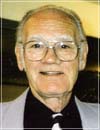
Scott Richardson (1923-2010) served as pastor of Katy Baptist Church in Fairmont, West Virginia.
Broadcaster:

Comments

0 / 2000 characters
Comments are moderated before appearing.

Be the first to comment!

Joshua

Joshua

Shall we play a game? Ask me about articles, sermons, or theology from our library. I can also help you navigate the site.