Bootstrap
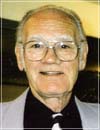
Scott Richardson

A Prophetic Vision Of The Crucified Christ

Isaiah 53:1
Scott Richardson June, 21 1998 Audio
0 Comments

Sermon Transcript

Auto-generated transcript • May contain errors

100%
Isaiah chapter 53, the 53rd chapter of the book of Isaiah. This 53rd chapter of the book
of Isaiah is a prophetic vision of the cross of our Lord Jesus
Christ. It's a vision that God gave to
Isaiah of the doing and the dying of the blessed Redeemer. And it begins by asking a question. It says, Who hath believed our
report? What has that to do with this
prophetic vision. Who hath believed? I report. Who hath believed the testimony
of God concerning His Son? Blessed are they that have believed. Blessed are they who will believe. They are blessed and blessed
forever. There is no higher blessing that
cometh from the throne of God than to be enabled to believe
the report of God's testimony concerning his Son. In ourselves,
we don't have the ability to believe left to ourselves. But God, in his kindness and
his mercy and his grace and his love, has been pleased to reveal unto you and I, for the most
part, here this morning, in the Lord Jesus Christ. He caused us to trust him. We have
believed his report. the report of God concerning
His Son. This is a prophetic vision of
the cross of Christ. Now, for more than 3,000 years,
the bruised healed. That's the Lord Jesus Christ.
The devil shall bruise his heel, but thou shalt crush his head.
first mention of the dear and blessed Savior is there in the
third chapter of the book of Genesis when he tells them, You'll
bruise his heel, but he'll crush your hand. So the bruised heel
has for these three thousand years and then some been held
up before the eyes of the world. meaning the bruised heel, the
vicarious sufferings and the work of the Messiah is expressed
in this chapter in various details. The transference of the sinner's guilt to the
substitute is the bulk of this vision. The transference of the
sinner's guilt and the sinner's shame and punishment due to the
sinner has been transferred to the Lord Jesus Christ. This chapter
is the setting forward of this mysterious person, the man of
sorrows, and it reveals in detail the free, deep love of Almighty
God to wayward man. Nowhere else is the work of the
Messiah more explicitly revealed than in this chapter, chapter
53 of the book of Isaiah. It reveals the just one suffering
for the unjust. And the Messiah, the Lord Jesus,
the bruised healed, comes on the scene here before us. he
rises up in the midst of us. But he's not appreciated, he's
not honored, he's not admired, and he's not loved. It says here
about him, he hath no form. He hath no form nor comeliness,
And when we shall see him, there is no beauty that we should desire
him. That is, he rises up, no one
to admire him, no one to honor him, no one to love him. It's the light shining in the
darkness, and the darkness comprehending it not. He's the light. He's the despised one, the Bible
says, and rejected of man. Rejected, I might say, of all
men. He is rejected, really, of all
men. And if we have not rejected him,
It's because God, in his mercy and his grace, has worked grace
in our hearts that caused our eyes to be opened and our understanding
to be enlightened that we might see who he is and what he's done. And the effect of it is that
we fastly come forward in our admiration of His beauty. And we come quickly to identify
ourselves with Him and to own Him and to claim Him and to follow
Him. It is only after God has taken
the initiative that we honor this one who is the most despised
and rejected of the human race, the Lord Jesus
Christ. It says in John chapter 3 that
he came unto his own, but his own received him not. A total,
absolute rejection. This is the beginning. of his
vicarious life, one of total rejection by those who were blood
of his blood, bone of his bone. The nation from which he came,
the Jewish people, who had heard from the time of Moses, and even
before that in the third chapter of the book of Genesis, that
he was to come, he whose heel is bruised, to come to redeem
his people. And all the prophets said he
shall come, and all the sacrifices that was ever offered foreshadowed
the bruised heel, told of him who was to come without blemish,
without fault, without spot, come to be the Savior of his
people. This is the beginning of his
vicarious life, the Lord Jesus Christ, a life of reproach among
the sons of man. Not just a year or two, not just
a week or a month or a day, He just didn't have a bad day. Every
day that he lived upon the face of this earth was a bad day as
far as this rejection is concerned and being despised. Despised
and rejected. He came to his own, but his own.
We won't have him. We won't have him. We're looking
for another. No need to look. He's already
here. A man of sorrows equated with
grief, the Bible says. Now, I ask this question in light
of what I've said. In the beginning, this vicarious
life was rejected. And all through his life, thirty-some
years, he lived upon the face of the earth and walked among
men, lived here in the land of the living, and his whole life
was a life of reproach, disrespect. No honor bestowed upon this man. No one come forward to identify
themselves. The question is this, why all
this lifelong sorrow? All his life, I understand sorrow
a little bit. All of us. We'll have or will
have some times of grief and sorrow, all of us. Our mothers and fathers will
die and we'll grieve. Our children will die and we'll
grieve. Our friends will die and we'll
grieve. And we'll have other things that
take place, disappointments, and so forth here in this life. We'll have some sorrow, but it
won't be a life of sorrow. The sun shines sometimes. It's not always dark outside,
Bob, but a believer in Christ Jesus, there's days when the
sun bursts forth from the heavens and lights up everything in our
experience. And we love and worship and praise
God and feel good, have the assurance of the Word of God that there's
no condemnation to us and so forth. But the question here
is this, why all this lifelong sorrow of this man, this one
man, never been another man like this man as to sorrow and grief
and rejection. Nobody can be compared with this
man. Why is this holy Son of God Almighty,
from His birth, subjected to contempt and bowed down under
the burden of it? Why? I want to know. is the cup of gall, the gall
of bitterness and rejection, the gall of wormwood, the cup
of it, the vessel of it, filled up, why is it set by his cradle
in Bethlehem From his birth, he was considered
an outcast. The world wouldn't have him.
The world didn't want him. And why? Day by day, hour by
hour, day by day, all his holy, immaculate life, he had to drink
the bitter call, the bitter gall of this cup of woe. and misery. Why? Well, it says here in verse
3, He is despised and rejected of men, a man of sorrows acquainted
with grief. Why? Well, listen to me now. It was our grief that He was
bearing It was our sorrows that he was carrying. These were the
things that made the man of sorrows acquainted with grief. This is
what made him that way. It was our sorrows and our grief
that he carried from the time he came from Bethlehem's manger
to Calvary Street. They, during his day, they that
saw him could not understand this great mystery. They said
God has smitten him for his sins. They said if it's not for his
sins, it's for some hidden thing about him or some hidden thing
that he has done that we do not know. But know, my soul, he was wounded
for our transgressions, bruised for our iniquities, and the chastisement,
the Bible says, of our peace was upon him, and with his strife
were healed. The wounding, the bruising, the
chastening, and the scourging had their beginnings before he
reached the tree. It was before he came before
Pilate and was taken by wicked hands and crucified. But it is on that tree, on that
cross on Calvary's brow, that they were all completed by His
own obedience unto them. The Lord, the Bible says, hath
laid on Him Himself the iniquity of us all, or has made to rush
and strike him with the punishment. That's due us. While he was on the way to the
cross, the Bible says he opened, not his mouth. He opened not
his mouth at the accusations when they railed upon him. If
you be who you say you are, come down and save yourself. They
mocked him and gave him a scepter of wood in his hand and mocked
him as a king and bowed before him in derision. and tomfoolery
and foolishness. He was on his way to the cross,
but he spake not a word, silent. He was silent before the judges,
and I'll tell you why. Because he had made himself legally
responsible Our death and our gift. And not one, as I've already
said, no one to come forward and to declare
his innocence. Not one. When they railed him,
accused him, he stood by himself because he's legally responsible
for us. our sins, no one came and said, I declare
this man's innocent. Oh, no. He was carrying our sins
to the tree. Now we have the cross, the tree
itself. The Bible says that in this 53rd
chapter. It says that he was cut off from
the land of the living. Why? For the transgressions of
my people was he stricken. For my people. He was cut off from the land
of the living. The sin bearing of the cross
is certainly brought forth here. There, this man of God, this
Lamb of God, he hangs on that tree, he hangs on that cross
as a substitute. The blessed Lamb of God without
spot, without fault, without blemish. their hands hanging
the just for the unjust. They might bring us down. Bearing in his own body our afflictions
and our grief, being wounded and bruised and chastised with
his stripes. And there was assigned to him
a place with the wicked on the tree, on the cross, not only
on the cross but in his burial. He was to be identified with
the rich, the Bible says, and that was in his burial. There was a rich man from Arimathea,
who came forward and begged for his body? If he had not came
forward and begged for his body, the Scripture would not have
been fulfilled and he would have been buried in Potter's Field. He would have been buried in
a poor man's grave. But the rich man from Arimathea
came by and begged for his body and said, give him, let him go
in my tomb wherein a man has never been. He came forward. If he hadn't, he'd have been
consigned to a poor man's death. So he was rich in his death,
or better said, after his death, and when he was taken down from
the tree. And yet the Bible says about
this innocent man, this Lamb of God, it said it pleased God
to bruise him. It pleased Jehovah to bruise
him. That means he took pleasure in
bruising. This one who is without flaw
or without blemish, it pleased God to bruise him all over. God the Father took pleasure
in bruising him. Never, never, I say never, never,
never, was the Messiah, the Lord Jesus Christ, more the beloved
Son of Almighty God than when he was suffering on the tree. Yet Jehovah took pleasure in
bruising him, was pleased to put him to grief. There was the
holy wrath, righteous wrath of God the Father coming down on
Him, the Lord Jesus, as the substitute. But while that wrath of God came
down on Him, the love of Almighty God still
rested on His blessed Son, There was wrath of God and the love
of God, both of them together. He knew the love of God while he
felt the wrath of God falling upon him. It was the knowledge
of his intimacy, of his oneness with God. His being the beloved
Son of God, the knowledge of that love that made Him cry out
in amazement and in anguish. He cried out, My God, my God,
why hast thou forsaken me? On that tree of death and shame
and guilt the work was finished. the work of redemption, the work
of salvation for His people. You remember I said that the
Scripture says, for the transgression of my people. The work on behalf of His people, on behalf
of those that the Father gave, was finished on that tree. that tree of death and shame.
The work there was finished when he poured out his soul unto death. He was numbered with the transgressors
and there he bore the sin of many. There he made intercession
for the transgressors because he said, Father, forgive them. for they know not what they do.
And that was the sin offering. That was that offering that depicted God forgiving sinners who sin,
not only ignorantly, but sin when they don't even know they're
sinning. Father, forgive them! for they know not what they do. It's finished were the words
he said as he died. And what he's saying is, is the
justifying work is completed, it's done, it's finished. And let me say this, if you don't carry anything away from what
I said this morning. If you'll do your dead level
best to try to remember this, it'll help you so much today
and days to come. If anything else, if anything else besides the
finished work is to justify anything else besides the justifying work
of the Lord Jesus Christ. If there is, then Christ died
in vain. If there is something else besides
this that must be added to or taken away, then he died in
vain. You see what I'm saying? It's
him and him alone. Therein lies the salvation of
the soul of every sinner who trusts him. It's in his finished
work. Why must he Day in, day out,
day in, day out, month in, month out, year in and year out. Suffer
this rejection, this grief, this scorn, because He does it as
our presence. For us who are transgressors. It's finished, He said. And he gave up the ghost. He
gave up the spirit. And he said, Father, into thy
hands I commend my spirit. And unto the Father the spirit
went. The Father received him. And
in receiving it, he bore testimony that the Word of the Lord Jesus
Christ was complete. He who made this announcement,
it is finished. And he who confirmed that it
is finished was none other than, it was the Son of God who spake
the words. And he who added his amen to
it was none other than God the Father in perfect agreement. What he is saying here is that
the work that the Lord Jesus Christ did in behalf of his people, the work that saves, Nothing can be added to it, nothing
can be taken from it. Had any part of the work of redemption
and salvation been left unfinished, there'd be no hope whatsoever
for any member of Adam's fallen race, if any little part is left unfinished. Oh, I must
feel better. I must do this. I must do that
in order to gain God's favor. You can't do it. You can't do
it. You're fighting a losing battle. You're damning your soul. You're
committing spiritual suicide because he and he alone finished
the work and God the Father received it and confirmed it and said,
there's no other name unto heaven given among men whereby we must
be saved. Had any been left unfinished,
no hope, no hope, it's perfected. No flaw is found in His work. No part left out, not a jot or
a tittle of it has failed absolutely perfectly. All is done and done by Him who
is the Son of Man and the Son of God in one person. Nothing added to it, nothing
to be taken from it by Satan. or by God himself. The burial of the substitute
does not add to its completion. The resurrection itself forms
no part of the justifying work of the Lord Jesus Christ. It
was all concluded on the tree when he said, it's finished. The resurrection is the seal
that God has put on him. That is finished, but it forms
no part of it. It's what he did alone, himself,
on that tree, suffering in the stead and the place and the room.
of his people bearing their shame and their iniquity and their
punishment. His blood, his holy blood, his blessed, precious
blood, satisfied justice, his precious blood washed away our
guilt and our shame on the tree. And still, please, in heaven,
on the right hand of God for our persons makes intercession
for us. That blood silenced the curse
and pacified heaven. That blood is given for our refreshment
and this is the bread that is sent down from heaven. This is
the true manna. what He did on the tree. Oh, He gives us not the blood
of a mere man. He does not give us the blood
of an incarnate angel, but, blessed be God forever, He gives us the
blood of Almighty God, precious blood, precious blood, blood
that can secure us from the wrath that comes from heaven against
sin, blood that can silence the accusing conscience, blood that
can wash away our sins, blood that has more strength in our
filth than our sins, blood that secures us from the terror of
death and purifies us What are you talking about? I'm talking
about the Lamb of God. I'm talking about the blood of
the pure and spotless Lamb of God who stands in the midst of
the elders in the book of Revelation, before whom they fall down and
they sing words It's the Lamb of God that opens
up the seals of the book. It's before the Lamb that the
great multitudes stand clothed in white raiment. His blood,
the blood of the Lamb, is by the means that the victory is
won. and that the war is waged and
the battle is won. Oh, it's the book of life that
belongs to the lamb slain. It's the lamb that the multitude
are seen following. It's the song of the lamb that's
sung in heaven. It's the lamb that wars and overcomes. It's the marriage of the Lamb
that's the foundation of the heavenly city. And it's the light
of the Lamb that brightens up that city. Oh, my soul, the Book
of the Lamb and the throne of the Lamb. And the Lamb, as I
said, is only another name for the crucified Savior. The Lamb
is one of His special and eternal titles, the name which He is
best known by. The angels in heaven, that's
what they call Him there. They call Him the Lamb. Ah, they obey Him and they honor
Him and they worship Him. And they never lose sight of
Him. And we ought not to lose sight
of Him. It says, and they follow him wheresoever he goes. It ought to be our objective
to follow him. I'm talking to you this morning
about the Son of God and the Son of Man and one person who
came to redeem his people from their sins. Are you one of each people? Are you
one of them? You must own Him. You must own
Him. You've got to own Him. You've
got to own Him and you've got to confess Him in your baptism. You've got to own Him. He's yours.
That He has got through to you. The Word has been empowered.
It's got through to where you are. And you've come to the place
that you own yourself as a poor, hopeless, helpless sinner that
can't save yourself. And you've found out and you've
heard that only the Lamb of God can save you. So you fled to
the Lamb and made Him your own. And now you want to confess Him
and baptize Him. Is that the case? Is that the
case? God help you if that might be
the case. I thank God for those of you
that have fled to the land. May him your own who can testify. This stand will be dismissed.
Scott Richardson
About Scott Richardson
Scott Richardson (1923-2010) served as pastor of Katy Baptist Church in Fairmont, West Virginia.
Broadcaster:

Comments

0 / 2000 characters
Comments are moderated before appearing.

Be the first to comment!

Joshua

Joshua

Shall we play a game? Ask me about articles, sermons, or theology from our library. I can also help you navigate the site.