Bootstrap
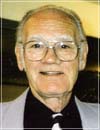
Scott Richardson

Jacob Was Left Alone

Genesis 32:24
Scott Richardson March, 22 1981 Audio
0 Comments

Sermon Transcript

Auto-generated transcript • May contain errors

100%
In verse 24 is my text. Genesis 32 and verse 24. It says, Jacob was left alone.
And that's what I want to talk to you about. Jacob was left
alone. But let me read a few verses
there. and there wrestled a man with him until the breaking of
the day. And when he saw that he prevailed
not against him, he touched the hollow of his thigh, and the
hollow of Jacob's thigh was out of joint as he wrestled with
him. And he said, Let me go for the
day breaking. And he said, I will not let thee
go except Thou blessed me. And he said unto him, What is
thy name? And he said, Jacob. There's many
valuable lessons to be learned from these portions of scripture
that I read to you. And of course you can't deal
with all of them at the same time. So I just want to talk
to you a little bit here this evening about what a man finds
out when he's left alone with God. I believe to be left alone
with God is the real and the true way of finding out who we
are and who He is. I don't think that there's any
other way of finding out. It comes by revelation. Knowing
Him comes by revelation. You remember Paul said there
in the first chapter of the book of Galatians, he said, when it
pleased God to reveal His Son in me. Now when Paul was left
alone with God on the road to Damascus, what did Paul find
out? Paul found out who he was, and
he found out who the Lord Jesus Christ was. Now, every one of
us, sometime or the other, we're going to be left alone in the
presence of God. And the sooner the better. It's
a painful process, but it's a necessary process, because we've got to
find out. We've got to find out who we
are, and we've got to find out who He is. It says, "...and Jacob
was left alone." He was left alone with God. This man that wrestled with Jacob
was the Son of God in angel form. That's who this was. This was
God. He wrestled with God. Now notice, what did Jacob find
out? He found out who he was. When
he wrestled with God, in the 27th verse, the man that wrestled
with Jacob, he said unto him, he said unto Jacob, he said,
What is thy name? And he said, Jacob. Now what
does Jacob mean? Let me tell you what Jacob means.
Jacob means surplanter. a surplanter. That's what Jacob
means. Jacob tried to take something
that didn't belong to him. And so he was called a surplanter. He tried to take the birthright
when it didn't belong to him. He tried to take it. It really
belonged to Esau. Esau was the firstborn. He's a surplanter. He's a cheat. That's what the word Jacob means. A cheat, a deceiver. You're a
supplater, you're a cheat, and you're a deceiver. Now this is
what he found out in the presence of God. When he was left alone
with God, he found out who he was. It's not that God didn't know
who he was. God knew who he was and what
he was. But he wanted Jacob to find out who he was. Well, let
me talk to you a little bit about it here. at the outset, to be
left alone with God is the real and true way of finding out who
we are and who He is. Now we must, it is imperative,
it's a must, we must be brought to know our self. We must be
brought to know our frailty, our emptiness, our nothingness,
our weakness. We've got to know that all flesh
is as grass. We've got to find that out. Now,
to know this, we're going to have to discover that we are
in God's hands. to be left alone with God in
the presence of God to find out who God is and find out who we
are, we'll find out that God is not in our hands to dispense
with as we see fit. We'll find out that we are in
God's hands and He will and does dispense with us as it pleases
Him. This is a great truth that not
very many people, as you make the comparison, not very many
in our generation has come to find this truth out, that God
is not in our hands. God is not a puppet on a string. But we are in God's hands to
do with as it pleases Him. We've got to find that out, and
there's only one place that we can find that out. That is, alone
with God in the presence of God, just like Jacob found it out.
Why, as Jacob wrestled with God here, it seemed like that he
was prevailing over the Son of God. And finally, the Son of God just
laid His finger, just laid His finger on old Jacob's thigh.
Now that was to give Jacob a sense of his utter helplessness in
God's sight. He could have won the battle
real quick, Fred, if he wanted to. He could have just flipped
old Jacob down right now and put his foot on his chest and
declared that he was the winner. It would have been no problem
for him. He just touched him. It says that when he saw that
he prevailed not against him, he touched the hollow of his
thigh. And the hollow of Jacob's thigh was out of joint. And old
Jacob said, well, that's enough. I quit. I quit. Anyhow, that's
where we find it out. Listen, we've got to find out
who God is and who we are. We've got to find out that God
is everything. He's everything, and man is nothing. Now, it's not a mixture of man
and God, but it's all God. We've got to find out that God
is the first cause of everything. I was talking this morning to
a lady on the phone. And she said, well, she said,
well, you're getting ready for service this morning. And I said,
yes. She said, well, I wish you a
lot of luck. Well, I said, I thank you, but
I said, I hope you understand that I don't believe in luck.
Well, she said, Just what do you mean by that? And I said, well, I believe that
God is the first cause of everything. And I believe that everything
that happens here in time is the evidence of a predetermining
factor that happened according to God's decree before time ever
was. And we call it providence. I
said, I believe in the providence of God. And it doesn't make me
a fatalist. It doesn't make me say, well,
I know that I'm only going to die at my appointed time because
God appointed the time for me to die before the world ever
was. So I'll just, with reckless abandon,
I'll just abandon every law of nature and every law of health
and expose myself to this temptation and that temptation and this
danger?" I said, no, not whatsoever. I said, God has decreed for certain
things to come to pass, and I said they will come to pass. And luck
has nothing to do with it. It's all of God. It's all of
God. That's what I'm trying to say.
When we find ourselves alone with God, we must find out, we
must find out that God's everything and man is nothing. Not a mixture
of God and man, but it's all God. Got to find that out. Lots of folks have never found
that out. Got to find it out. If a man's saved, he's going
to find it out. He'll either find it out, prior
to his conversion, or he'll find it out after his conversion.
It makes no difference. It all comes out the same way.
We're going to find it out. We're going to find out before
we leave this world that God's everything and we're nothing.
Got to do it. I say, we've got to find out
that God's everything and man's nothing. We've got to find out
that no flesh shall glory in the presence of God. If you don't
find that out, then you're going to make some justifiable excuse
for your existence. you are going to make some justifiable
excuse whereby you will glory in yourself. And we have got
to see that God is everything and man is nothing, thereby,
if I am nothing, if God is the first cause of everything, and
everything that I have has come as a free gift from Him, then,
therefore, I haven't got anything to glory in. I haven't got anything
to brag about. God stripped me of everything.
You mean that God does absolutely everything and you don't do it?
That's exactly what I mean. In the realm of God's salvation. That's what I'm talking about.
God does everything from start to finish and all in between. It's all God, not man. If there's
that much, remember I told you that if you say that 15 ounces Fifteen ounces is of God, and
the other ounce is of you, then that other ounce is imperfect,
and you've destroyed it all. You've destroyed it all, if that
other ounce is of yourself. You've destroyed it all. Listen. No flesh shall glory in His presence. Now, it's very painful. this
process that we must go through. It's very painful, but it's very
necessary. Self, that is our hearts, our
hearts must be known, must be learned, and must be judged. And I've already said that we
all must pass through this painful experience. And I said that sometimes
this process precedes conversion, and sometimes it follows. Nevertheless,
it all comes out the same. We're all going to find it out
sooner or later. Now listen to me. Nine-tenths,
nine-tenths of all of our trouble, all of your troubles, and all
of my troubles, and all the troubles of this church, and all the troubles
of other churches, Nine-tenths of all of our troubles and our
problems can be traced to this want. Self must be known and
learned and judged. All of our trials and troubles
and problems can be traced to this need, to this want, that
our hearts, this self has not been alone in the presence of
God and learned and judged. That's our problems. Now, when
I say most of our trouble and our problems and the divisions
are traced to this particular need, it's very readily seen
as I ask three or four questions here. Number one, I merely ask
these questions in order to point out The fact that the reason
for your problems and your trials and my trials and troubles and
the troubles of churches is because we have not been alone in the
presence of God and seen ourselves as we really are. Now, why is
it? Why is it that we're unable to
bear reproach? Why can't you bear a little reproach?
Why can't I bear a little reproach? Why are you and I so sensitive
that any time anyone crosses our path, immediately we bristle
up and want to fight? Why is that? I'll tell you why
that is. It's because we've never been
alone in the presence of God and seen the divine character
of God and seen the nothingness of self. That's the reason for
it. If we ever get into the presence of God and learn some things,
then brethren, we'll be able to bear some reproach. Why is
it that we can't overlook weakness in others? Why is that? Someone has a fault, and the
first thing you know, we've got to pick on it. We've just got
to grab it out of there. We just can't wait. We can't
wait. Why is it that I can preach sometimes
for 45 minutes, And some of you folks will take that much of
what I say and just tear it up. Why is that? I can preach for
45 minutes and sometimes an hour. And some of you will take that
much of what I say, that much, and take it home and just tear
it to pieces. Why is it that we can't overlook
weakness in others? Why is it that we manifest an
unyielding, a stiff, uncontrollable temper. Why is that? Why is that
that we maintain or stand up for our rights? Do we really
have any rights? What rights do we have? But don't
we stand up for them? Oh, I've got my rights. I've
got my rights. What rights have you got? You've
got no rights. You've got a right to die and
go to hell. That's the only right I've got and it's the only right
you've got. Anything, anything outside, anything short of eternal
perdition in hell is the mercy of God. If you've got your rights,
got what was coming to you. I once said, well, you just put
me down too much. You can't put me down any farther
than what I deserve. And I cannot put you down any
farther than what you deserve. Put you down in the dust. That's
where you belong. That's where I belong. In the
dust. Can't be put down too much. Oh,
you see, brethren, what I'm saying is this. What does this prove?
This proves that self is not measured and judged in the presence
of Almighty God. That's what it means. Peter had
to find this out. I read a little bit and spoke
a little bit about that this morning. Peter had to find that
out. Peter traveled with God for,
I'd say, almost three years, but yet never, never was he alone
in the presence of God to know something of the character of
God and know something of the poor feebleness and nothingness
of his own heart. And he had to be tried and he
had to be tested and he had to be alone with God to find it
out. Remember I read to you this morning over there? Or was it
in the book of Luke chapter 22? The self-confidence that was
in Peter's heart. Oh, he said, I'm ready. I'm ready.
Bring them on. Bring on all that trouble. Don't
make any difference. I'll take care of it. The Lord said, Simon,
Simon, Satan hath desired to sift thee as wheat. He has desired
to shake you. Put you in a shaker and shake
you and the chaff go one way and the wheat go the other, or
mix it all up. He's desired to do you. But I
prayed for you that your faith fail not. Well, you know what
old Peter said? He said, I'm ready. I'm ready. Lord, I'm ready. I'm not afraid of the devil.
Bring him on. I'll take him on. Bring the devil on. I'm not afraid
of being sifted. I'm not afraid of being shaken.
I'm not even afraid of death. Well, I'll go and die with you,
Lord. I'm not afraid. But I'll tell
you, just in a matter of hours, our Lord said, Peter, I tell
you, that the rooster shall not crow three times. But what? You'll deny me. Or the rooster
shall not crow twice. Is that right? Twice. But what
you'll deny me? Deny me. Peter had to find this
out. Self-confidence in his heart. Confident of what he'd do under
certain given situations. I know what I'd do. I've said
that many times. I know what I'd do if so-and-so
said so-and-so, or if I was under a certain situation, or if I
was sick, or if I was in this particular situation. I know
what I'd do. Only by the grace of God do you know what you'd
do. Laugh to yourself. I know what you'd do. You'd do
just like everybody else. Do just like old Peter. You'd
make a fool out of yourself. Laugh to ourselves. That's what
we'd do. Oh, we need to be alone. in the presence of God to learn
our potential and our capabilities, learn something about the character
of Almighty God. The devil was permitted to sift
him parallely, and the end result was this. that he, Peter, might
never again trust in his own heart, but learn to delight in
the grace and mercy of God, and not in his own goodness." He
learned that, but he had to go to school to learn it. And the
school was the school of God. It was the school, being alone
in the presence of God. Remember I preached to you several
times about old Job. Let me talk to you for just a
little bit about old Job here. What Job learned when he was
alone in the presence of God. What Job said when he was in
the presence of his friends. And what Job said in the presence
of God. Look, turn with me there to the
book of Job, if you will. Over there towards the front
part of the third chapter, I guess it was. Third chapter, yeah,
in the book of Job. Now, I want you to see here,
the things that Job uttered, or the things that Job said.
Now, he said these things from a heart not judged or known. These things were said not knowing
anything of the divine character of God. Not knowing anything
of the potential of his own heart. Now these statements, as I said,
were not made in the presence of God. If Job had been in the
presence of God, he would have never uttered such words as he
uttered. Listen to what he said. Chapter
3, After this opened Job his mouth. That was his first mistake.
And that's a mistake that I've made many and many and many a
time. When someone said something to
me, I opened my mouth. When I should have kept my mouth
shut, and after I opened my mouth, I realized it. I realized it
because of what I said. Because of what I said and the
reaction to it, as I got to much, I said, I should have kept my
mouth shut. I should have bowed my head and whatever he said
or whatever they said, I was deserving of it. They couldn't
put me low enough in the dirt. That's the first mistake you'll
ever make in trying to defend yourself. Right there, open your
mouth. Job tried to defend himself.
He had three friends that came afar off, and they lifted up
their eyes afar off, and they didn't even know him, and they
lifted up their voice, and they wept, and they rent every one
his mantle, sprinkled dust upon their heads toward heaven. They
sat down with him upon the ground seven days and seven nights,
and Job was humiliated. He was humiliated. And none of
them spake a word unto him, for they saw that his grief was very
great. After this, after this, Job opened
his mouth. First mistake. The second mistake
was he cursed his day. He cursed his day! That is, he
cursed the day that he was born! And he cursed the day that he
lived right now. He cursed that day. Listen, And
Job spake and said, Let the day perish wherein I was born. And
the night in which it was said, There is a man child conceived. Let the day perish where I was
born and let that day perish when my mother told my father
there has been a child conceived in my womb. Oh, let that day
be blotted out. Don't let that day even be added
to the year, to the calendar of days. Let that day be darkness. Let
not God regard it from above. Neither let the light shine upon
it. Oh, how he hated the day that he was born. Why did he
hate the day that he was born? Why? I'll tell you why. Because
he'd never been alone with God yet and learned anything about
the divine character of God and learned anything about himself.
But I want you to notice, now this is important that you notice
this. These words were uttered by Job
not in the presence of God. He said, let darkness and the
shadow of death stain it. Stain that very day that I was
born. Let the cloud dwell upon it. Let the blackness of the
day terrify it. And as for the night, let darkness
seize upon it. Let it not be joined unto the
day of the year. Plot it off the calendar. Let
it not come into the number of the months. Lo, let that night
be solitary, let no joyful voice come therein. Let them curse
it that curse the day, who are ready to rise up their morning. Let the stars of the twilight
therefore thereof be dark. Let it look for light, but have
none, neither let it see the dawning of the day. Verse 10, Cursed be this day, why? Because
it shut not up the doors of my mother's womb, nor hid sorrow
from mine eyes. Why died I not from the womb? Why did I not give up the ghost
when I came out of the belly? Why did the knees prevent me? Or why didn't the knees prevent
me from being born? Or why the breast that I should
suck? Oh, now should I have lain still
and been quiet, I should have slept, then had I been at rest. You see what Job's saying now?
Not in the presence of God. He's saying this in the presence
of his friends. And there's a whole lot of difference.
There's a whole lot of difference. He's in the presence of his friends.
This is the way he moans and he complains about circumstances
and situations in the presence of his friends right now. He
does this because he's never been in the presence of God to
learn His poor, wicked, feeble heart and the goodness and the
mercy of the character of God. If he ever had seen that, it
would have saved him a whole lot of wasted effort. It would
have saved him a whole lot of words, knowledge without meaning. Oh yeah, Job was not in the presence
of God. Listen, if he had been in the
presence of God, he would have justified God in all things.
He wouldn't have moaned and complained. He wouldn't have said, Lord,
you shouldn't have took And humanly speaking now, humanly speaking,
we would have said that this fellow had a whole lot of reason
why that he might attempt to make justification for his mourning
and his moaning and his complaints. He was stripped bare of everything
that he had. He lost everything. He lost his wealth just that
quick. Lost all the sheep, all the camels, all the asses, all
the goats. He lost everything. He's a rich
man. Lost it all. Burnt their houses down. A fella
come along and said, they're having a party over there. He
said, your children all got together and they're having a party and
they're having a big time. And he said to Sabians up here in
the north that they'd come in and killed them all. He said,
you haven't got anybody left. All your sons and all your daughters,
they're all dead now, Job. Everybody's dead. Ain't nobody
alive except me. And his wife turned to him and
said, why don't you just curse God and die, Job? Oh, and then
the devil come along and smote him from the bottom of his feet
to the top of his head with boils. And he just sat there. But he is not justified in saying
what he said. Listen, he would have known full
well why he had not died if he had been in the presence of God
and learned something about the character of God and something
about the nothingness of himself. You see, brethren and sisters,
I hope that you and I can learn together that when We receive
the Lord Jesus Christ. We receive Him for better or
for worse. When we take Him, we take Him
for better or for worse. We take Him living or dying. We take Him as our all. And if we don't take Him for
better or for worse, I seriously doubt if we'd take Him at all.
What I'm saying is, when we receive Him, when we take Him, when we
bow to Him, we say that we have come under new management. We
say, He is our Lord. He controls everything that takes
place now. We submit ourselves to His government
and to His discipline. Oh, but Job was not found in
the presence of God, but he was found in the presence of his
friends. And they proved that they understood little or nothing
of the character of God and of human ruin and human guilt or
human shame. In the presence of God, Job talked
differently. That is when a man's heart is
reached in the presence of God. Look over here in the latter
part of the book. Look over here. In the presence of God, In the
40th chapter, the first time we have some revelation as to where Job was
is in this 40th chapter. Now he's in the presence of God.
The first four verses here, or first five verses, listen now.
Moreover, the Lord answered Job and said, Shall he, that's Job,
Shall he that contendeth with the Almighty instruct him? Job
was the one that was contending with God, trying to instruct
God, trying to tell God what's right and what's wrong. Boy,
that's been a big problem down through the ages, men trying
to tell God what's right and what's wrong. Well, we're going
to tell God what we can believe and what we can't believe. Well,
now I can believe this, or I can do this, or I can't do that.
We're trying to tell God. That's the end result. We're
instructing God. It's like the fellow preached
one time, and at the conclusion of the service, why, an elderly,
pious gentleman walked up to the front of the building, and
he was going to instruct this young man. He was going to tell
this preacher a few things. And he said, preacher, he said,
I heard what you said. But he said, my God just doesn't
do things like that. And the preacher said, why, yes,
sir. I know your God doesn't do things like that. But I wasn't
talking about your God. I wasn't talking about the God
that you're comfortable with. I wasn't talking about the God
that you pray to. I was talking about the God of
the Bible. And there's a difference. There's
a difference. Shall he that contendeth with
the Almighty instruct him? He that reproved with God let
him answer. And Job answered the Lord and
said, now in the presence of God, listen now, if he talks
like he did in the third chapter of the book of Job where he was
in the presence of his friends, he said, behold, I'm bound. That's
what he says now. Behold, I'm... He didn't talk
about, cursed be the day that I was born. Why didn't the knees
of my mother just kind of compress me and kill me at the outset?
Why didn't she do that? Why wasn't my mother's womb my
grave? He didn't talk like that now.
He said, Behold, I'm vile. What shall I say? I'll lay my
hand upon my mouth. Once I have spoken, but I'll
not answer. I spoke one time. Yea, twice,
but I'll proceed no further. I've got no more to say. That's
the way we ought to be in the presence of God. Lying in the
dust, alone in the presence of God, learning who we are. Weak. Nothings and nobodies. Then turn over to that 42nd chapter. You'll see that Job talked differently. when his heart is reached. Look
at the 42nd chapter. Job answered the Lord and said,
I know that thou canst do everything. I know that you can do everything.
He didn't talk like that before, did he, Pat, in that 3rd chapter?
Huh? No, sir. He didn't talk like
God could do everything. He cursed the day that he was
born, but he says, Now I know that thou canst do everything,
that no thought, not no thing, no thought can be withholding
from thee. Who is he that hieth of counsel
without knowledge? Therefore," Job's talking about
himself now, "...therefore have I uttered that I understood not."
My soul, we're all guilty there, talking about things that we
don't understand. I've heard things I understood
not. I didn't understand what I was talking about. I was just
running off the mound. I was just filling up space.
I was just talking. I was just talking. Didn't mean
anything. Wasn't any depth to it. Wasn't anything profound to it. I was just talking. Just talking.
I never give it no thought. I just opened my mouth and the
first thing that come to my mind, that I said, I didn't care, I
didn't care whether it was offensive, I didn't care whether it was
misunderstood, I didn't care whether it was truth, I didn't
care whether it had a solid foundation for it or not, I just opened
up my mouth. That's what Job said. I uttered
that I understood not things too wonderful for me which I
knew not. Here I beseech thee, And I will
speak. Verse number 5, I have heard
of thee by the hearing of the ear. That's what Job said in
the presence of God when he begins to learn something about himself.
I have heard of thee by the hearing of the ear, but now my eye seeth
thee. What do I do? First he says,
I'm vile. I abhor myself. I repent in dust
and ashes." Well, what Job has said here thus far is this. He
said, all of my previous statements asked to God are now said to
be words without knowledge. And I say this, brethren, with
all sincerity and truth, it is a great moment. As a matter of
fact, it is one of the greatest events It's one of the greatest
moments in a man's history when he discovers that he's been all
wrong. Oh, that's one of the most important
times in our whole life, when we finally come to the place,
when we see that we've been wrong about God and wrong about ourselves. That's what he discovered right
here. Everything else I said, he said, didn't mean a thing.
I finally come to the place that I've been all wrong, all wrong
about God and all wrong about myself. I've seen my utter nothingness
and weakness before God. Listen, to get right thoughts
about God is to begin to get right thoughts about everything
else. We've got to start there. And
it must be as we are alone in the presence of God. that we
get right thoughts about God. And if we get right thoughts
about God, we're going to start having right thoughts about other
things. But we've got to have right thoughts about God. We've
got to find out that God is absolutely holy and will not accept anything
that's tainted. We've got to understand that.
And if we can understand that, then we are ripe to see that
the Lord Jesus Christ can be our acceptance. We can see that
because He is perfect. We can begin to see substitution. We can begin to see the doctrine
of election. We can begin to see the doctrine
of justification. We can begin to see the doctrine
of holiness. We can see all these doctrines
if we get right thoughts about God. If we get the first right
here. If we're right over here about who God is, then we'll
get right thoughts about ourselves. You see, if I'm wrong about God,
then I'm wrong about myself, and I'm wrong about people. As
a matter of fact, I'm wrong about everything if I'm wrong about
God, who God is. If you don't get anything else
from what I said, remember this, may the Spirit of God impress
it, burn it in our minds, in our hearts, that I must get right
thoughts about God. I must. I must have right thoughts
as to who God is. I must find out who God is. I
must find out. If it can be found out by searching
the sacred pages of this book, then I'll devote myself to finding
out who God is. You want to find out who God
is? You find out who Jesus Christ is and then that will unravel
the mystery of who God is. Because Jesus Christ is God. You want to find out what God
will do on a given occasion? Find out what Jesus has done.
You want to find out whether God is Lord or not? Find out
what Jesus is. That's how to find out who God
is. It's to find out who the Lord Jesus Christ is. Because
the glory of God is revealed. The righteousness of God, the
glory of God, the love of God, the compassion of God, the mercy
of God, the gentleness of God, all the attributes of God can
be seen in only one place, and that's in the face of the Lord
Jesus Christ. That's where it's at. So if I'm
wrong about God, I'm wrong about myself, wrong about people, wrong
about everything, oh, new thoughts, That's why I need new thoughts
about God and new thoughts about sin. I'll tell you, that old
leper, he had the right thoughts as to who God was. That leper,
this incurable, incurable leper, he came to God. He came to the
Lord Jesus Christ and he said this. He said, you can if you
will. He had right thoughts about God.
Well, what do you mean? I mean this. I mean, by his confession
there, you can. He was saying to God, you don't
have to. Oh, what a time, what an event
that is in our history when we learn who God is, that God doesn't
have to do anything for us but damn us. That's all God has to
do. And He does so righteously because
we deserve it. You say, well, I don't deserve
to be damned. You haven't found out who God is yet. See? You say, well, I'm not that great
a sinner. Yeah, but you're not perfect.
I don't know how far you went in your sins. But you are a rebel
before God and you are a surplanner just like Jacob. You tried to
take something that wasn't yours, you tried to push God off of
the throne. You tried to be your own God, you are still trying
to be your own God. You are still trying to instruct
God. You are still trying to tell God what you can believe
and what you can't believe. All that way until we have been
brought alone in the presence of God to see who God is. That
poor leper there, that incurable, no one would have anything to
do with him. He'd put him on the outskirts of the city. When he'd come to
the Lord Jesus Christ, he didn't make no demands. He didn't say,
You've got to heal me. Healing's in the atonement, and
I say right now, You've got to heal me. He didn't say that.
He'd come crawling up there. He'd come slipping up through
there like a worm in the dust. And he'd prostrate before the
Lord Jesus Christ, and he said, You killer! Have to get right thoughts about
God. You can if you will! You don't have to. You're not
obligated to. You'll be just in leaving the
goal. But Lord, show mercy, show mercy! And the Lord touched him. Nobody touched that old leper.
His wife wouldn't touch him. His children wouldn't kiss him
goodbye. His wife wouldn't kiss him goodbye. There was this family
circle that was so complete and intact up until leprosy began
to spread on this fella. They had such a happy time together,
but when he had that leprosy, his wife wouldn't even go close
to him. Couldn't go close to him because
if she touched him, she was defiled. Children. He loved the children,
the children loved Him. But the children couldn't go
up and hug His neck and say, Daddy, we know that you've got
to stay out on the outskirts of the city there now. We know
that. Let me hug you before... They couldn't do that. They didn't
hug Him. But I'll tell you this, when our Lord Jesus Christ, when
He came there and said, Lord, you can if you will. You know
what the Lord did? The Lord put His hands on Him. Hands of compassion
and gentleness and tenderness. Don't you tell me that God doesn't
save sinners. Don't you tell me that you're
so far gone that God can't save you. Oh, don't tell me this evening,
brethren, that God doesn't save sinners. God stays in the business
of saving sinners. He'll save every sinner that
has right thoughts about Him. He'll save every sinner that
bows before Him and says, Lord, You don't have to, but show mercy. You can believe that. If I'm
wrong about God, I'm wrong about myself. I'm wrong about people
and I'm wrong about everybody. New thoughts about God, I have
new thoughts about myself. Over in Luke 12, there's a rich
man. A rich man. He never had right
thoughts about himself. He never had right thoughts about
God. So he was all wrong. Nothing wrong with being rich.
Not a thing wrong with being rich. He had everything. He had so much that he didn't
know what to do with it all. If he had right thoughts about
God and right thoughts about himself, he'd have thought about
his neighbor over there. He'd have thought about some
missionaries. He'd have thought about some preachers. He'd have thought
about some of the poor brethren. But he didn't have right thoughts
about God or he didn't have right thoughts about himself. And so
he said, this is what I'll do. You know what it says in there? Pat, you read it and see if it
doesn't say. He's poor! within the narrow confines of
his selfish heart. You know what it says? He thoughts
within himself. That's the way an unsaved person
is. They panic within themselves. This is what I'll do. Why? He said, I'll tear this barn
down and build a bigger barn. He thought within himself, and
God came along and said, Thou fool, this tonight thy soul shall
be required of thee. He had wrong thoughts about God.
I'm saying, we've got to have new thoughts about God, new thoughts
about self. Look again, and I'll quit. Here
in this 42nd chapter, look at little old Job. He had new thoughts
about himself. First, he said in chapter 40,
he said, I'm vile. I'm vile. What did he mean by
that? A serpent's vile. Vile and nasty to our disposition. Why, if we see a serpent, I don't
care. If we see a snake, I don't care
if it's a black snake. I don't care if it's an old garter
snake. We're going to avoid that snake. Oh, we're going to avoid
that snake like that snake had a shotgun ready to shoot us.
Now, right, Pat? Pat'll avoid him. He'll carry
a gun with him and shoot him if he can find him. Hate snakes,
afraid of them. We're all that way, to be honest. We don't want to touch that slimy,
slithery, cool, cold, climate snake. He's vile to us. Joke's said I'm vile. I'm vile. I'm vile. I'm saying that we
need to have new thoughts about God. And when we're in the presence
of God, the ultimate result and effect will be that we'll have
new thoughts about God and new thoughts about self. Job's not
the mighty man that he thought he was. I'm vile now. I'm vile. Well, listen. He said, I've heard
of you. I've heard of it. It's one thing
to hear about God with the hearing of the ear. We've all heard about
God. Who is? We've heard about Him. But if our eyes, if the eye of
faith, I'm not talking about these visible eyes. No man has
ever seen God and lived. Jacob never even seen God and
lived. No man has seen God in God's
expanse and lived. But you can see Him through the
eyes of faith. And Job said, I have heard of
thee by the hearing of the ear, but now mine eye seeth thee,
and the result is I hate myself. I abhor myself. I am not in love
with myself anymore. I am not so wonderful as I once
thought I was. I didn't think that anything
could move in that town unless I was in it. But I found out
now that I'm vile, and I hate myself, and I repent in dust
and ashes. Now I'm vile. I hate myself. What's to be done about it? What
are you to do about self? You've seen self. You've seen
your heart. in the presence of God, what's
to be done about it? Talk about it? You can talk about
it if you want to. Be occupied with it? You can
be occupied with it. Make provision for it? You can
make provision for it if you want to, but I'll tell you what
you ought to do when you see self as self is. You ought to
be like Job and hate it. I hate it. I hate self. I hate
sin. For I know that in this flesh,
in this body dwelleth no good thing. There ain't nothing good
about it. Oh, sure. Oh, this bothers me. I hear it
from practically everybody I talk to. And it bothers me. Oh, I'm not that bad. Oh, you
don't know how bad you really are. Let me tell you how bad
you really are. If you could take from your heart,
if you could take from your heart and put it in your hand, you
know what you'd do? You'd kill God. If you could
take from your heart. You see, the only way that those
Pharisees and chief rabbis and priests and religious people
in the day of our Lord Jesus Christ, the only way they could
get to God was through the Lord Jesus Christ. And you know what
they did? They walked up and spit in his
face to show their utter contempt for him who said he was God.
He said, well, for what work? For what work do you stone me
for? They said, we don't stone you because you do good works.
We want you to do good. We're not opposed to good works.
Well, he said, what do you stone me for? Because he said, you're
a man and you say you're God. He said, that's the reason we're
going to kill you. So you see, that was as near
to God as they could get was the Lord Jesus Christ. So they
said, kill him, kill him. And if you and I, in our unregenerate
state, if we could put in our hand what's really right here,
That awful cesspool of misery and hate and corruption and prejudice
and bigotry and pride that is in here just boiling over. If we could get that out and
put it in our hands and get a hold of it, God would cut His throat.
He would not exist for five minutes. I hate it! I hate self. Out of
the heart proceeds the issues of life. That's the source of
them. The heart needs to be learned
and to be judged and measured in the light of the glory of
God. Oh, listen, when I'm in the presence
of God, these two things must go together. What two things
is that, preacher? Alright? My eye seeth thee. When I'm in the presence of God.
My eye seeth thee. What's the effect of me seeing
thee as thou art? Wherefore I abhor myself. Read it for yourself in verse
number 6. Verse number 5. I have heard
of thee by the hearing of the ear, but now, but now, how is
it now? But now mine eye seeth thee,
therefore. I hate myself and I repent in
dust and ashes. Remember this, a good statement,
I hope you will remember this. It is when the light of what
God is shines in upon what I am that I hate myself. Can I say
that again? It is when the light of what
God is, shines in upon what I am, then I hate myself. I abhor myself. I'm vile. I'm vile when I measure
myself in the presence of God, His goodness and mercy, His love
and His kindness, His justice, His holiness, when I measure
myself. And I find that I don't have
an inch of goodness about me. Not one inch. I don't even have
a taste. I don't even have enough to fill
a cup. That is inherent goodness. Every good thing that I've ever
done, if I've ever done anything, was all that which God wrought
in me. Every single solitary good word
that I've had for anybody, any act of kindness that I've ever
had for anybody, any time that I've ever preached good for the
glory of God, was only the outward reacting of the working of the
Spirit of God in my poor, poor, weak, feeble heart. Ain't no
good in me. And you ain't no different than
I am. There ain't no good in you. When the light of what God
is shines in upon what I am, then I hate myself. And when
this happens, what takes place? The battle's over. how the wars
close, strife is ended, tears of repentance, the embrace of
love, the sweet odor of the burnt offering. Oh, blessed Lord Jesus,
Son of the Most High God, we adore Thee, we bow down at Thy
feet, lost in wonder, lost in love, lost in praise, and oh,
be Lord of our souls. Thou lift me tonight. and own
Him as your Master, as your Lord. God help you. God help me. He might bring me into His presence. And I'll learn who I am and learn
who He is. For as sure as two and two is
four, we're going to have to learn it either before or after. But before we get out of this
world, we're going to have to be like old John. When we see
Him, we're going to fall dead at His feet. Patkin was saying.
Scott Richardson
About Scott Richardson
Scott Richardson (1923-2010) served as pastor of Katy Baptist Church in Fairmont, West Virginia.
Broadcaster:

Comments

0 / 2000 characters
Comments are moderated before appearing.

Be the first to comment!

Joshua

Joshua

Shall we play a game? Ask me about articles, sermons, or theology from our library. I can also help you navigate the site.