Bootstrap
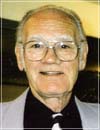
Scott Richardson

What God Did For Us

Ephesians 2:4-5
Scott Richardson February, 1 1981 Audio
0 Comments

Sermon Transcript

Auto-generated transcript • May contain errors

100%
Men make little of this spiritual
state that all men are in prior to the reception of life, spiritual
life. That is, they feel that man is
just a little disordered. They believe that man fell in
the Garden of Eden, but they don't believe that he fell clean
to the bottom. They believe that he was just
bruised a little bit by the fall. He was just wounded in a few
of his members. And the only thing that needs
to be done on his behalf is to set things in motion through
education and training and so forth. And there's nothing in
their definition of the word dead that would indicate that
it was something more than just a temporary fit or a temporary
state. But, of course, I believe that
all of us here this morning understand enough of spiritual things that
we are agreed, beyond a shadow of a doubt, that it is not just
a temporary paralysis or a fainting spell or fit or just wounded
in a few of our members, but it is a permanent paralysis apart
from a divine quickening by the Spirit of God. But God who is
rich in mercy, He's rich in it, got lots of it, an abundance
of mercy. For His great love wherewith
He loved us." When did He love us? Well, of course, if we're
His, He loves us now. But what it's saying here is
that He loved us when we were not His. He loved us when we were, look
down here in the second verse, He loved us when we were walking
according to the course of this world. according to the prince
of the power of the air, and the spirit that now worketh in
the children of disobedience." He loved us then when we were
in that dead state, among whom also we all had our conversation
in times past. The lust of our flesh fulfilling
the desires of the flesh and of the mind, and were by nature
the children of wrath even as others, but God but God who is
rich in mercy. He loved us when we were in this
state, this spiritual state of deadness towards Him, which certainly
many things are involved in this state. There is an act of treason
and rebellion that is involved in this state of spiritual deadness
toward God and against God. But yet He loved us. Yet He loved
us. That's what I want to talk to
you about here a little bit this morning. I want to talk to you
about what we were by nature and what God did for us. Just
two points. Just two points. What we were
and what God did for us. What were we? Well, I've already
read that to you. We were dead in sin. In another place here, it says
that it was trespasses and in sins, the first verse. You see,
the first verse and the fifth verse, there is a similarity
there. And you have to be quick in talking
about the Spirit of God. The Spirit of God quickened us.
When? When we were dead in trespasses and in sins. And verse number
5 says, "...even when we were dead in sins, hath quickened
us together with Christ, and by grace are ye saved." Well,
let me begin by saying that if we are believers here, which
for the most part that is true, we are believers in the Lord
Jesus Christ, and it is more than just a fact of life to us.
We are believers because God in His mercy has revealed As
Glenn said, as he read to us there in Revelation chapter 20,
that men cannot understand spiritual things until God does something
for them. Man cannot believe in the Lord
Jesus Christ until, really, the Spirit of God hath revealed Him
to their hearts. Now, if we are believers, whatever
life, Whatever life of a spiritual kind that we have this morning,
it was given to us by God. Whatever life of a spiritual
kind that we possess, that we lay claim to, that life was given
to us by God. The Bible says that every good
and perfect gift cometh down from above. The Bible also says,
ìWhat do you have that you did not also receive?î So we have
nothing in a spiritual sense as pertaining to goodness and
life that arose from ourselves. We have nothing. Now, Iíll tell
you why. Iíll tell you why that these
spiritual gifts or this very semblance of spiritual life that
we have was not of ourselves but it came from God because
it was and could not be ours by nature. You see, before God
ever looked upon you or looked upon me in love and in pity and
said, live to us, we were dead. in trespasses and in sins. So that being the case, this
is what we were. This is what we were. Dead, dead
in sins. So if we were dead in sins, then
we were insensible of the things of God, of spiritual things. We were void, totally void of
spiritual things. We didn't have them. And if we
got them now, then God must have gave them to us because they
were not in us to have them according to our nature. We were dead. spiritually dead toward God. Now, I said as far as spiritual
things are concerned, we were insensible. And what I mean by
being insensible to spiritual things is this, we were insensible
or insensitive to the terrors of the wrath of God. And also, not only to the wrath
of God, but to the law of God. Many times, and of course we
have some sort of inward consciousness of the truth of God in our hearts,
all of us, believer or unbeliever. And of course I'm talking about
the time when we were an unbeliever, dead in trespasses and in sin. Even then, we were insensitive
to the wrath of God and the law of God. That is, the threatenings
of the wrath of God and the threatenings of the law of God, which says,
the soul that sinneth shall surely die. When it teaches that men
who are lawbreakers will wind up in God's eternal hell and
be eternally tormented and punished forever and forever, we were
not alarmed by that. That did not bother us. Oh, I'm
not saying that we did not give it some thought and think about
it for a little bit, But it was only just minutes after we give
it some thought that we disregarded it. It was only maybe an hour
after we heard the terrors of the wrath of God, and the threatenings
of the law of God, and the demands of the law of God. and the end
result of our rebellion against God, which would be in eternal
hell and punishment, we forgot about it. So what I'm saying
is this. There was a time when we were
dead in trespasses and in sins that we were not sensitive to
the wrath of God and the terrors of the law of God. We were not
alarmed by them. Certainly, if that was true,
it was also true that we were not interested in the least in
regard to the sweetness of the love of God as demonstrated in
the gospel of the Lord Jesus Christ. Now you remember when
the law was given to Moses on Mount Sinai, there was a demonstration
of the power of God and the wrath of God. Well, the heavens were
full of lightning and thunders and the earth shook and there
was fires, and the people of God, they said, that is, the
Israel of God at that time, They said to Moses, they said, we're
fearful of this terrible God, we just can't go near this mountain,
lest God kill us, intercede for us. Well, you see, to the terrors
of the law and to the terrors of the wrath of God, we could
just spiritually sleep at the foot of this mountain and it
wouldn't bother us. We could just go to sleep. We
could just relax and be indifferent to the threatenings of the law
of God. The reason why is because we
were insensitive to the wrath of God, and the reason why we
were insensitive is because we were dead. Dead to spiritual
things. Dead in trespasses and in sins. That's the reason. We were that
way when we were born. From the time we were born until
the time that God came where we were and found us in this
dead state, we were insensitive to the wrath of God and insensitive
to the gospel of His redeeming love. See, we were dead in trespasses
and in sins. We could lie at the foot of the
cross and not be melted or moved by the death cries of Him who
hung on that cross. We weren't moved. We maybe for
a few minutes were impressed by the dignity of this man's
death, or we might have been moved by the inhumanity that
was shown to this man who hung on that cross, but it was only
for a little bit. I doubt seriously if we ever
shed a tear for him who hung on that tree. And the reason
why was The reason why we could be insensitive to the story of
the redeeming love of God in Christ was because we were dead. We were dead. That's what I'm
trying to establish here this morning, that we were dead in
sins, even when we were dead. When Paul says dead, he means
dead. He doesn't mean half dead. He
doesn't mean three quarters of the way dead. He doesn't mean
partially disabled. But he means totally, 100% dead
to God. That's what he means. Dead to
God. Dead in spiritual things. Now you see, I've said that we
could lie at the foot of the cross here. and would not be
affected in the least sense by the cries of that dying man on
that cross. Now, the earth, the Bible says,
the earth did quake. When our Lord was crucified,
there was an earthquake. The Bible says that the rocks
were rent. The Bible says that it was darkness
upon the earth. The sun refused to shine. The Bible says that the graves
opened and gave up the dead, but you and I could lie at the
foot of the cross and remain unmoved, though nature, as it
were, the earth itself was moved. The sun refused to shine, but
we remained unmoved. But you let a painted harlot
walk down the street and she'd make an impression upon us, wouldn't
she? You let a woman of ill repute, a harlot that has sold herself,
you let her walk down the street with all of her and everything
that's superficial about her, and I'll guarantee you that that
painted heart would turn our head and make an impression upon
us. But we could lie at the foot of the cross and hear the death
cries of the Lord Jesus Christ and remain unaffected, unmoved,
and no impression whatsoever upon our hearts. And if there
was any impression made, it was just temporary. It soon faded
away. It was like the early clouds
and the early dew. They didn't last long. They soon
passed away. You see what I'm trying to say?
I'm trying to say here this morning, I'm trying to impress upon us
the fact that there was a time when we were dead. There was
a time when we were insensitive to the things of God. spiritually dead. Well, so being
dead to spiritual fines, and let me say this now in light
of what I've already said. Since we did not become affected by
him who hung on that tree, And I gave by way of illustration,
if a painted harlot walked by us, she would make an impression
upon us, and we would be affected to a degree by this woman. But
the Lord Jesus Christ, in His inexpressible beauty, who is
altogether lovely, the Bible says, we wouldn't give Him the
time of day. That certainly proves beyond
a shadow of a doubt what I'm saying and what the Bible has
said for thousands of years, that man outside of the Lord
Jesus Christ in his natural state is dead. And if he has any spiritual
life right now, it must be owed to God because God gave it, because
by nature he didn't have it. He was dead in trespasses and
in sin. So being dead then to spiritual
things, we were at that time, the Bible says, without strength
or without power to do anything, to do anything about our state.
We were preached to, we were called, we were bidden to come,
but we were like a corpse, unable to hear the sweetest of music,
and even unable to hear the threatenings and the crack of doom over our
heads. What I'm trying to say, and I
think you see it here this morning, that we were dead in sin. insensitive to spiritual things. Now, what was worse still, we
were, at that time, without will or without desire to come to
the God who made us. In other words, we had no aspirations
or holy dispositions toward God. We had no desire after God's
goodness Now we thought we did, but we really didn't. We loved
the world. All that we could see of this
world, its tinsel and its glitterings, we loved it, fell in love with
it, refused to be divorced from it. We loved the world and were
absolutely, absolutely content with what we had. Now, if we
could have become rich and increased with goods, we would have said,
soul, take thine ease, because this is all you need. We would not consider God whatsoever
in our thinking. Well, by nature, then, we were
dead. Well, did the Lord love us when
we were in this nature? That's what I'm getting to. I'm
trying to show us what our state was prior to the time God came
where we was and made Himself known to us in the person of
His Son. When we finally become interested
in who the Lord Jesus Christ was, what He did, And who he
did it for, and where is that now? When we finally become interested
in those four things. But prior to that, did God love
us? Listen to this. It says, God
who is rich, has a lot of mercy, who is rich in mercy, for his
great love wherewith he loved us, even even when we were dead
in sins. He loved us, even when we were
in this awful state that I've described, insensitive to the
things of God, not caring for God, not being interested in
His Son. He said, This is My beloved Son,
hear ye Him? And we said, No, we will not
hear Him. Yet the Scriptures say that God loved us, even when
we were in that state. God loved us. Well, listen, let me mention just a few of
the unlovely and unlovable things which God saw in us while we
were in that dead state in order to impress upon you the great
love of Almighty God to His people. First off, We were ungrateful. We weren't grateful. This is
one of the things that God saw in us when we were in this dead
state. We were ungrateful. Listen, I know this is true. I just know it is, and I think
you'll agree with me. One of the hardest things to
do is to love an ungrateful man or an ungrateful woman. If you
seek to do them good and yet receive no thanks from them,
only receive an act of unkindness from them, it's pretty hard for
you to love them, isn't it? Isn't it pretty hard for you
to love a fellow that's ungrateful? You see, I believe that it's
not in flesh and blood to love a man who's ungrateful to you. I say not in flesh and blood.
It's not in flesh and blood to love a man who's unkind and ungrateful
to you, who does not even give you a common picture. It's pretty
hard for you to love him. If I give you a five dollar bill,
and you take that five dollar bill and just tear it up and
throw it down at my feet, it's not likely that I'll give you
another one. Is that right? Now that's the way we were toward
God. That's just a good illustration
of our attitude towards God. If I give you a $5 bill or a
$20 bill and you tear it up and throw it down and walk away,
I ain't likely to give you another one. Well, it's very sad to me,
very sad when people live year after year, day after day, without
recognizing the God who gives them so many mercies. Perhaps
now and then a fellow will say, well, thank God. And that thank
God generally is said in idleness or as a compliment, and it's
not said from the heart. You see, one of the unlovable
things about us in our dead state is that we were ungrateful unto
God. Ungrateful. And there's a whole
lot of people, brethren and sisters, profess that they are not in
this dead state, that God has come along and visited them in
mercy and in kindness, and has quickened them unto life, and
given them repentance and faith in the Lord Jesus Christ, but
yet, if you observe their lives, they are not very grateful unto
God. They are not very grateful unto God. I tell you this, this
is a crude illustration, but if a fellow That is, if I wanted
to, if I was out here drowning, out here in the creek ice skating
or something, and the ice gave way with me, and I went down
under that ice, and there was within me a desire to live. I
wanted to live. I didn't want to die. I wanted
to live. by chance, was walking along
the bank and seen me in that water struggling to get out,
and I knew that if something didn't help me, if somebody didn't
come to my rescue, if it wasn't in a matter of seconds that everything's
all over with me. Well, if that fellow seen me
there and he run down and risk his life, and hauled me out of that hole
and put me up on the bank and built a fire and dried my clothes,
got me to the car and took me home. Do you think I'd be grateful
to Him? I should be grateful to Him,
shouldn't I? Well, I'm going to tell you this.
Our Lord Jesus Christ, He didn't merely risk His life to save
me. This fellow that I'm telling
you about, he just risked his life. He didn't give his life.
He risked it. He went with the idea as he jumped
in. If he gave it any thought at
all, he probably didn't even give it any thought. He'd just
seen the need and decided that he maybe could help relieve that
need, and he jumped in and went about my rescue. But our Lord
Jesus Christ, He knew beforehand the whole situation. And he not
only risked his life, but he gave his life. The Bible says
that he laid down his life. Now, if that's so, if that's
so, and that is so, that he laid down his life. He gave himself
in our stead and place and room and bore in his body the punishment
that was due me. He did that. He actually, literally
gave himself for my sins, which means he paid what was due my
sins. He did that. He didn't risk his
life, he gave his life. Now, ought not I to be grateful
to him? And wherever his name is mentioned,
ought not I to stand still for just a minute and in my heart
give thanks unto God for him and somehow try to exalt his
name? Do you think a man ought to do
that? I believe he ought to. I believe he ought to. And it's
hard for me now. I wouldn't offend anybody deliberately
at all. I wouldn't do it. Annoyingly.
I wouldn't offend you. But I want to say this because
I believe it's the truth. And it may be of some help to
you. I don't know. But now, for instance, here's people, here's
somebody that says, I've been rescued by God. He rescued me. I was on the fire. I was one of the sticks that
was on fire. And God came along and snatched
me as a bran from the burning. I would have burned off. But
He came along. He didn't have to. He didn't
have to do anything for me. I was only getting what I had
coming to me. But He came along and He snatched
me as a bran from the burning. He did that for me. And I believe in Him and I trust
Him. He's my Lord and my Savior. But yet, a man does not give
any outward expression of that in his life. What would you say
that he was? Well, I'll say this. He's either deceived, he either
just had some vision, and this that he said happened to him
really didn't happen to him. It really didn't happen to him.
He believed a lie or something. He's been deceived. Or he is,
without a doubt, the meanest, most despicable, despisable wretch
of a man that ever walked the topside of God's green earth
that would act in his attitude towards Him who saved him. That's right. I say that. I say that with compassion
and love. I do, I do. What I started out to say was
this, brother, that I was trying to point out some things of our
makeup and our character about us that were unlovely and unlovable
in our dead state. And I said, number one, we was
ungrateful. That was in our dead state. He
loved us when we were ungrateful to him. And I said also that
it appears to me like there are some people in what we refer
to as Christianity that profess to be a recipient of the love
and the mercy of God, and yet they too manifest an attitude
of ungratefulness. Now I know that all of us, even
the very best of the children of God, if you can if you can
use it in that manner. Even the very best of them are,
to a certain degree, ungrateful unto God. There is a form of
ungratefulness about everybody. But there ought not to be as
much in the individual who has been redeemed as there are in
the individual who has not been redeemed. All right, I say that now and
then one of these fellas says, thank God, but that's in idleness,
or he says it as a compliment, and there is no heart whatsoever
in it. Now, what's even worse than being
ungrateful is the combination of two. being an ungrateful wretch
and whelp, and at the same time complaining and murmuring and
not being pleased with anything. And I know that this is true.
It is true in my experience, and mine does not vary that much
from yours, I am sure, that prior to the reception of the Lord
Jesus Christ, was nothing that seemed to happen that seemed
to please me. I was always murmuring and complaining
about the conditions, about the circumstances, about situations,
complained about everything. Maybe not so much with the mouth,
but actions spoke so loud that you didn't have to say a word.
murmured and complained. And to make the deformity of
our character still worse, we're proud. We're ungrateful. Ungrateful, we're full of complaints
and murmuring. And to top that all off, we're
proud people. Proud. What am I talking about? I'm
saying, when did God love us? He loved us when we were complaining
people, a murmuring people, an ungrateful people, and a proud
people. This all distinguishes our state
before we were saved. We were dead in trespasses and
in sins, and God loved us then. Proud. We had no righteousness
of our own, yet we thought we did. We had no righteousness
of our own, but yet we thought we did. The Bible says that our
righteousness in ourselves is as filthy rags. That's what your
righteousness is, and that's what my righteousness is. In
myself. My do-good acts. as they're weighed
in the balance, as they're looked upon in the light of the record
of the Word of God, every good thing that I've ever done in
myself is as filthy rags. I had no righteousness. But I
thought I did. You had no righteousness, but
you thought you did. You're proud. You're proud. You
resented someone coming along and saying, well, if you die
in the state you're in, you're lost. You're going to go to hell
when you die. It made you mad, didn't it? Made you mad. You
know why it made you mad? Because you was proud. You was proud.
You thought you had a righteousness. You thought, well, who is he
to come along and tell me I'm going to hell? He's no better
off than I am. You know why you said that? Because you was proud.
You was proud. You thought you had a righteousness.
You didn't think anybody had any business coming along, setting
in on judgment of you. You had a righteousness. You
was pleased with it. You was content with it. Well,
you're far off from God, yet you and I stood before Him like
that Pharisee in the temple, and we thanked God that we were
not as other men were. Proud people, see? Proud people. These folks is... The world's
full of people that if you went out this afternoon and knocked
on the doors or talked to people in the marketplace, in the mall,
in various places, if you talked to them about the Savior, you'd
find out that 99% of those that you talked to had a righteousness,
and the righteousness they had, they were content with. They'll
live by it, and they'll die by their righteousness, and they'll
feel insulted if you insist that their righteousness is not as
the righteousness that God demands. They'll be insulted. They're
proud, proud, proud. They're content, though they
have nothing to be content with. They're content. I'm content.
Now, when I talk to people time and time again, I have my religion,
you have yours. Go your way. Well, I'm not trying
to be smart with you, mister. No, it's not that. You have your
religion. You have your religion. I have mine. What they're saying
is, I'm content. I'm content. Though I have nothing
to be content with, I'm content. They're wretched and poor and
miserable and naked and blind, yet we said we were rich, increased
with plenty, and had need of nothing. That's the way we were
when we were in this dead state. Dead in trespasses and in sins. One of the hardest things in
the world is to love a proud man. You ever try to love a man
that's proud? That just boasts of his accomplishments
and achievements? You ever try to love a man like
that? You ever try to love a man that you can just see it? When
he walks into your presence, it sticks out on him all over.
He just begins to swell up like a toad. He's a proud man! Proud! Now, one of the hardest
things in the world is for you to love that proud man. Now,
you can love a man. Even though he has 10,000 faults,
if he is not proud and if he is not boastful, you love him.
But a man who is proud and boastful, it is almost an impossibility
for flesh and blood to love him. Now, not only were we proud,
but we were deceiving at the same time. I'm pointing out some
unlovely things about us that characterizes us in our dead
state. We're unlovely and unlovable.
We're wretched and poor and blind and miserable, ungrateful, murmurs,
complainers, deceitful. You remember a time when you're
sick You said, Lord, if you spare me, I'm going to live different
in the future. Remember when you said that?
There's not a soul here on the sound of my voice that hadn't
said that one time or the other. Lord, I feel like I'm sick enough
to die if you'll spare me. Lord, if you'll spare me, I'll
guarantee you things will be different in the future. How
many times when you were scared, and you went to the doctor's
office and you had this particular thing about you that was causing
you some problems, and someone told you that I don't know, that's
an evidence of this or it's an evidence of that. And you went
to the doctor's office and you was waiting out there in the
waiting room for the nurse to take you in, and you breathed
and sighed in your heart, Lord, don't let that be what someone
told me that it might be! Don't let that be! Lord, if you'll
deliver me from this awful thing, I'll guarantee you, things will
be better in the future. How many times have you promised
that? Even on the sick bed, in the
hospital room, or far away? How many times have you said
that? Lord, if you'll do this for me, I'll do something for
you. Striking a bargain with God,
I know that, but we've all made those promises. Well, you know
and I know that you never kept that promise. You never kept
that promise. Now what happened? You lied to
God. You told God a bald-faced lie and you deceived God Almighty. You looked right into the face
of God and you told Him a lie. You wouldn't do that to your
own wife in all probability, but you did it to God. That's right. That's right. Your goodness, your deception,
You didn't have any goodness, but you had a lot of deception.
Yes, the Bible says He loved us, even though we deceived Him
10,000 times. All of that involved in this
state. You see, there's a whole lot
involved in that one word, dead, even when we were dead. But the
fourth verse says, He was rich in mercy for His great love wherewith
He loved us. He loved us when we were dead.
He loved His people. I'm not saying that He loved
everybody in the same manner, but His people, His people, those
that He finally brought to repentance and faith when they were dead
in trespasses and in sins, He loved them then. He loved them
when they were ungrateful and unholy and ungodly and deceiving
and proud and rebels. He loved them then. He loved
them then. Alright, I've said all that to
say this, brethren. Now, what did God do for us? What did He do for us? Well,
I've already told you that He loved us in this ungodly state.
Now, what did God do for us? First of all, now I'm going to
go quickly. Remember this. Now, first of
all, God remained faithful in His choice to us. You know, the Bible says, here
in this first chapter of the book of Ephesians, I'll read
it to you. You've got your Bibles open right there? Look at that
fourth verse. I want you to see that. And keep
in mind now what I'm saying. I'm saying, first of all, that
God remained faithful to His choice of us. according as He
hath chosen us in Him before the foundation of the world."
Now, God remained faithful to that choice. He chose us before time ever
was. But God didn't do it at the midnight
hour. He didn't do it in complete darkness. He knew right well what our nature
would be. He knew what we would be. He
knew we'd be ungrateful. He knew we'd be complainers and
murmurs. He knew that. But yet God loved
us. God remained faithful to His
choice. He didn't renege. He didn't say,
well, I'll change my purpose. God remained faithful to His
choice. You see, He knew right well what
our nature would be and the practice which would grow out of our nature. He knew our deception, He knew
our pride, He knew our filth, He knew our corruption, but He
did not turn in His purpose to save us! purposed in himself before time
ever was to save a people. And he knew how unlovable and
ungodly they were. He knew that. He loved them in
that state. And I said, now what did God
do for us? He didn't renege in His choice. He was not unfaithful in His
choice. He was faithful to His choice. He did not turn in His purpose. And secondly now, He did not
repent of His redemption of His people. Now I know that you find
it in the Bible that God repented that He had made man and it grieved
Him at His heart. You ever read that in the Bible?
It's there. It's there that it repented God. It repented God. that He made man, and it grieved
Him at His heart. I want to tell you this, but
you never read in the Bible that He repented of redemption. No,
sir. Nowhere in the Bible can you
read that it grieved God in His heart that He had given His Son
to die for such ungodly, unworthy rebels Deceivers, complainers
are proud people such as you and I. Nowhere can you find that
in the Bible. It's just not there. No, sir. Proud and corrupt and filthy
and so deceptive. But God did not repent of His
redemption. Now, another evidence of His
great love wherewith He loved us. Brethren, it's this, He would
not let us die until we come to the Lord Jesus Christ. He
wouldn't let us die. Someone said, well, I've had
a lot of close calls in my life. Well, you probably have. You
probably had more close calls than you really know about. But
I'll tell you this, if you're a believer in the Lord Jesus
Christ, God would not let you die until you come to His Son. He wouldn't let you die. He invaded. He invaded nature. in order to
work things out for your security and your safety, and to keep
you from harm, and to keep you of a right and a sound mind,
in order that He might work a work in your heart, and grant unto
you repentance, and give you faith that you might embrace
the Lord Jesus Christ as your Redeemer. He didn't kill you
before you come to Christ. He let you live. He let you live.
You see, God's faithful, isn't He? That's an evidence. of His
great love wherewith He loved us. Oh, happy day! Oh, happy
day that fixed my choice on Thee,
my Savior and my God! Well may this glowing heart rejoice
until its rapture is all about. Happy day, happy day, when Jesus
washed my sins away. He taught me how to watch and
pray and live rejoicing every day. Oh, happy day, happy day,
when Jesus washed my sins away. He did not let you die until
this took place, until you come to the Savior, until you bless
God for His doing and His dying in your behalf. Now that the Lord has loved us
with such great love, even when we were dead in trespasses and
in sins, do you think, for a minute, now get this, every one of you,
don't move, now listen to me. I want you to hear this. You've
heard what I've said so far. Don't miss this. Don't miss this.
This will be of a help to you. Now that the Lord has loved us,
with such great love, even when we were in such a dead state,
like I've described, and I have not even touched the surface
of our dead state. But what I said was true. But
if God loved us when we were in that kind of a state, do you
think that He'll ever leave us to perish? Do you believe that?
Do you believe that God will ever leave you to perish now?
If He loved you back when you were such a rebel, so ungrateful
and such a complainer, such a cusser? Shook your fist in the face of
God and made promises unto God that you never kept? You never
even kept them for an hour? Huh? If the Lord loved us, then
do you think that He'll ever leave us to perish? Do you think
we'll finally be deserted by God? Do you think that a man
who's been rescued from the fire, who has been brought to repentance
and faith, and who has lived his life for the Lord Jesus Christ
in this life, and when he dies, that God will finally desert
him, and God will say, well, I never knew you. I just never
knew you. No. No. That will never come
to pass. God will not forget to be gracious. He will not cast us away. You know He won't. His love forbids
that. All right? I know that all of
this is true. And since it is true, ought you
and I, right now, love Him and adore
Him and praise Him and serve Him very much. I'm not begging people to do
this. I'm just telling you what God's done for us. I'm telling
you what we were, what we were by nature. And I'm telling you
how God loved us then. And I'm telling you how God loves
us now, that He would not renege on His choice. That He so loved
us, He sent the Lord Jesus Christ to stand in our place and bear
in His own body the penalty that was due our sins. I'm telling
you that. And I'm telling you that if He loved us like that,
He'll never cast us away. I'm saying now in light of what
we've said, which is truth, ought we not to so give ourselves to
Him 100 percent? Ought we not to do that? Surely
that's your reasonable duty. Surely that's the least that
a man can do. Surely nothing can take precedent
over that. Surely there is not any pleasure
in this life that you cannot forego or give up for this One
who surely is blood in your place and in your room. Surely, surely
under God you can't turn your back on the Lord Jesus Christ
if you're one of those for whom Christ died. Surely you can't
do that. You can't do it. I read not too long ago that
this boy was over in India. He was about twelve years old.
He was an Indian, over in India, not an American Indian, but an
Indian Indian. And his mother had just came
back from offering some rice and some perfume at the temple
of one of their gods. Something to do with the Muslims
or the Hindus or something. I don't know what their as some
sort of idolatry. But they had enough belief and
stability in their hearts towards their gods that they wanted to
offer their gods some rice, and some perfume, and some incense.
So they went down there and they offered their gods their gifts. And on their way back, they came
by a little building like, and they heard some singing there. And the boy turned to his mother
and he said, Mother, what are they doing? And she said, They're
singing about their God. And he said, Singing about their
God? She said, Yeah. Well, what are they singing about?
Well, she said to that 12-year-old boy, she said, they're singing
that their God died for them. They're singing that. They're
saying in their hymns, they're singing a song unto their God,
and the song, the contents of their song says that their God
died for them. And he was amazed. He said, they're
singing that their God died for them? She said, that's true.
That's what they're singing. Well, he said, that's amazing.
He said, none of our gods ever died for us. I was impressed
with that. None of our gods ever died for
us. If you ever get a hold of what
I'm saying, some of you do. Some of you don't. Some of you
don't know what I'm talking about. But if you ever get a hold of
it, that God Almighty hung on a cross, hung on a pole, and suffered in your place and
in your room, I'll guarantee you your attitude will be different.
I guarantee you. Here, get a hold of this. Oh,
may God be pleased even this morning just to give us a little
bit of light, just to give us a little glimpse of the goodness
and the mercy and the love of God in Christ. Just give us a
glimpse of it. Just kind of open the blinds
up so we can just kind of look out the corner of the window
and just see a little bit of it. Oh, that we might just taste
and see that the Lord is gracious. Oh, it will do something for
us. The writer here in these two
passages that I have read to you, the writer does not say
that God pitied us. Although it's true, it's absolutely
true, God did pity us. The writer does not say here
in these two passages that I read that God had compassion upon
us. Although it's absolutely true
that God pitied us and God had compassion upon us, but the writer
speaks here of His great love to us, not pity or compassion,
but His great love." Look at it. "...but God, who is rich
in mercy, for His great love, wherewith He loved us." Now I
can understand how God could pity you and I. I can understand
that. I can understand how God could
be compassionate towards us. But I cannot comprehend or understand
how God could love me. Take that off the hook, Paul.
How God could love me! I couldn't understand it. Could
you? I can understand how He'd pity me. Take it off, Bob. Just
layer it down. I can understand how God could
pity me. I can understand how God could
have compassion on me. But I couldn't understand how
God could love me. Could you understand that? A
whelp, an ungrateful wretch, a murmurer, a complainer, a rebel
in every sense of the word. Huh? But that's what it says.
Look at it now. Look at it. That God who is rich
in mercy for His great love. Where was He loved us? He loved
us. Alright. You know something about
a mother's love and a father's love? Huh? A husband's love and
a wife's love? You know something about that?
Those are just faint images or just faint pictures of the love
of God. You know how your father loves
you? I think it's true in most cases
here, folks that I know, your father really loved you. Your
mother loved you. And if you'd pick up the phone right now and
you'd call up your mother or your dad and you'd say, well,
listen, I'm in a hard way. I'm in a hard way. I need some
money. You wouldn't have to argue with
him, would you? He loves you. He loves you. He knows you and
you know him. You know that you wouldn't have
to say, Father, oh, I'm in such bad shape. Could you find it?
Could you find it in your heart? No, sir. He'd say, it'll be there. I'll give it to you. I'll bring
it myself. I'll bring you the money. I'll bail you out. I'll
help you. I'll do for you whatever I can
do. And if I haven't got it, I'll go borrow it. But I'll get
it. That's a father's love to his son or a mother's love to
her daughter and vice versa. Just faint pictures. of the love
God has for us. Oh, well, time's gone, time's
gone. Wish we had more time with this.
But I hope that you can see at least what I've been trying to
say about what we were, what we were, dead. That's what we
were. Some unlovable things about us
in that dead state. And secondly, what God did for
us, what God did for us. You say, preacher, I don't have
anything. I'd come to the Lord Jesus Christ,
but I haven't got anything to commend myself. Well, I don't
either. I don't either. And neither did
any other sinner who ever come to the Lord Jesus. He never had
anything to commend himself either. Why? Because he is dead. Because
he is dead. the thing that qualifies you.
Now listen to me. Everybody listen to me now. The
thing that qualifies you for the reception of the Lord Jesus
Christ into your heart and into your life, the thing that qualifies
you is that you haven't got anything to bring. As long as you've got
something to bring, it makes a difference how little it is
if it's only a crumb of bread. As long as you've got something
to bring to God, as a means of your acceptance or a ground of
your peace, then you're disqualified. You say, Preacher, I haven't
got anything to bring. You're qualified. You come. I
haven't got a thing. I haven't got anything but my
sins. That's all I've got. You're the fellow he wants. You're
the fellow he died for. He died for sinners. He didn't
die for those people, Bob, that's got a crumb of bread in their
hands and bring and say, well, look here what I've got. I know,
but I didn't do this and I didn't do that. You may not did it outwardly,
but you did it inwardly. And I'll tell you this, you are
so bad, you are so bad that if you could have taken out of what
was in your heart and put it in your hand, God would not be
alive today. You'd have killed Him if it was
in your power to do so. That's the way we were. Well,
Pat Singer, sir.
Scott Richardson
About Scott Richardson
Scott Richardson (1923-2010) served as pastor of Katy Baptist Church in Fairmont, West Virginia.
Broadcaster:

Comments

0 / 2000 characters
Comments are moderated before appearing.

Be the first to comment!

Joshua

Joshua

Shall we play a game? Ask me about articles, sermons, or theology from our library. I can also help you navigate the site.